

More news on this day
Brazil’s domestic air network experienced fresh turbulence as more than 40 flights operated by TAM, GOL and Azul were cancelled, disrupting travel plans on key routes to São Paulo, Rio de Janeiro, Brasília, Salvador, Campinas and several regional destinations.
Get the latest news straight to your inbox!
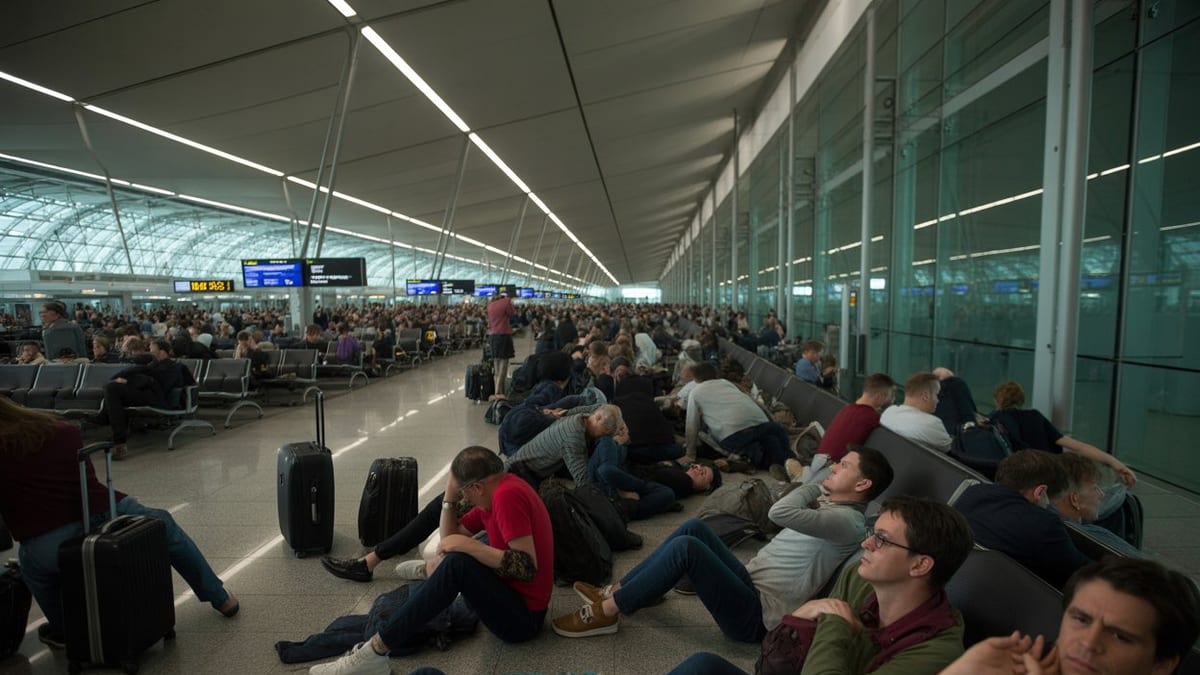
Image by Global Travel Alerts, Advisories, International Travel Alerts
Wave of Cancellations Hits Major Brazilian Hubs
Published coverage from Brazilian aviation trackers and national media indicates that over 40 flights involving TAM, GOL and Azul were cancelled over the course of the latest disruption period. The interruptions were concentrated at the country’s busiest hubs, including São Paulo’s Guarulhos and Congonhas airports, Rio de Janeiro’s Galeão and Santos Dumont, Brasília, Salvador and Campinas/Viracopos.
The cancellations affected a mix of early-morning and late-evening departures, a pattern that can quickly ripple across the domestic network. When aircraft and crew are displaced on the first wave of the day, subsequent rotations are often delayed or axed entirely, amplifying the impact for passengers who may only learn about changes on the day of travel.
Available flight data show that traffic between São Paulo and Rio de Janeiro, traditionally one of the busiest air corridors in the world, was among the hardest hit. Services connecting Brasília to the southeast, as well as popular leisure routes to Bahia and the northeast, also registered a spike in last-minute cancellations and schedule changes.
In several instances, cancellations by one carrier created additional strain on competitors operating similar routes, as stranded passengers tried to secure seats on remaining departures. This led to unusually high same-day fares and fuller-than-normal flights on corridors served by all three airlines.
Operational Pressures Behind Disruptions
Publicly available information suggests that a combination of operational pressures is underpinning the latest round of cancellations at TAM, GOL and Azul. Key factors typically include aircraft maintenance requirements, crew rostering constraints and tight turnarounds at busy airports, all of which can be aggravated by weather or air traffic control limitations.
Brazil’s aviation market has been operating near capacity on select domestic routes, especially during peak travel days and holiday periods. In such conditions, relatively minor disruptions can trigger a chain reaction of delays and cancellations when airlines have limited spare aircraft or standby crews available to recover schedules quickly.
Industry analysts note that Brazil’s major carriers have, in recent seasons, focused their fleets on the most commercially attractive city pairs, particularly links between São Paulo, Rio de Janeiro, Brasília and key regional capitals. While this strategy improves aircraft utilization, it can leave little flexibility when a plane is grounded unexpectedly or when turnaround times shorten due to congestion on the ground.
In addition, broader cost pressures in the sector, such as fuel prices and currency fluctuations, encourage tighter scheduling and leaner operations. Observers point out that this environment can make large networks more vulnerable to sudden spikes in disruption, as appears to have occurred in the latest round of cancellations.
Impact on Passengers Across São Paulo, Rio, Brasília and Beyond
The immediate impact for travelers has been missed connections, extended airport waits and the need for last-minute rebooking. Reports from affected passengers describe long lines at service desks in São Paulo, Rio de Janeiro, Brasília, Salvador and Campinas as travelers sought refunds, vouchers or alternative flights.
On heavily trafficked city pairs such as São Paulo to Rio de Janeiro or Brasília to São Paulo, many travelers were able to secure same-day or next-day alternatives, though often at less convenient times or from different airports in the same metropolitan region. In some cases, passengers shifted between Guarulhos and Congonhas in São Paulo, or between Galeão and Santos Dumont in Rio, to take advantage of remaining capacity.
For those travelling on more niche or regional routes, particularly connections that rely on a single daily frequency, options were more limited. Some travelers opted to reroute via larger hubs such as Campinas/Viracopos or Salvador, adding extra legs to their journeys and increasing total travel time.
Travel forums and social media posts show that international passengers using Brazil’s domestic network for onward connections were also caught in the disruption. Missed links from cities such as São Paulo and Rio to smaller destinations left some visitors facing unplanned overnight stays or reissued tickets with new itineraries.
Advice for Travelers Navigating Brazil’s Volatile Flight Schedules
Given the recurring nature of schedule volatility in Brazil’s domestic market, travel advisers recommend that passengers build extra flexibility into their plans when flying with TAM, GOL and Azul on critical dates. This can include choosing earlier flights on the same day to allow margin for rebooking, or avoiding tight self-connects between different airlines and airports in large metropolitan areas.
Consumers are also encouraged to monitor their bookings closely via airline apps and reservation systems, particularly in the 24 to 48 hours before departure. Publicly available information from recent disruptions suggests that some cancellations and retimings are being communicated relatively close to departure, making proactive monitoring an important safeguard.
Travel insurance that covers missed connections, hotel stays and reissued tickets can provide additional protection when flying on multi-leg itineraries involving Brazil’s major hubs. Policy terms vary, so passengers are advised to review coverage details carefully, especially for journeys that combine domestic and international segments on different carriers.
For travelers already within Brazil, alternative transport options such as long-distance buses or, on certain corridors, low-cost regional flights may be worth considering if disruptions escalate on specific routes. However, the sheer distances between cities like São Paulo, Brasília and Salvador mean that air travel typically remains the only practical option for many itineraries, making careful planning and timely information especially important.
What the Disruptions Signal for Brazil’s Airline Market
The latest wave of cancellations by TAM, GOL and Azul underscores the fragility of Brazil’s domestic air network at a time of strong underlying demand. While traffic volumes on key routes continue to recover and, in some cases, surpass pre-pandemic levels, operational resilience has not always kept pace.
Aviation analysts observing the Brazilian market suggest that a combination of fleet optimization and network concentration has increased efficiency but also amplified exposure to disruptions. When three dominant airlines carry the vast majority of domestic passengers, simultaneous operational challenges can quickly translate into nationwide travel headaches.
At the same time, recent industry developments, including restructuring efforts by smaller competitors and consolidation in regional services, have reduced the number of alternative carriers able to step in when major airlines cut flights. This places added importance on robust contingency planning and transparent communication of schedule changes to the traveling public.
As Brazil approaches upcoming holiday peaks and major events that traditionally drive spikes in air travel, the recent experience may prompt travelers to place an even higher premium on flexibility, contingency options and real-time information when booking flights with TAM, GOL and Azul across the country’s busiest corridors.