

More news on this day
Travelers flying between major Colombian cities and the United States are facing fresh disruption, as Avianca, United Airlines and other carriers cancel and reschedule more than a dozen flights affecting Bogotá, Medellín, Cali, Newark and additional hubs, according to airline alerts and airport information published over the weekend.
Get the latest news straight to your inbox!
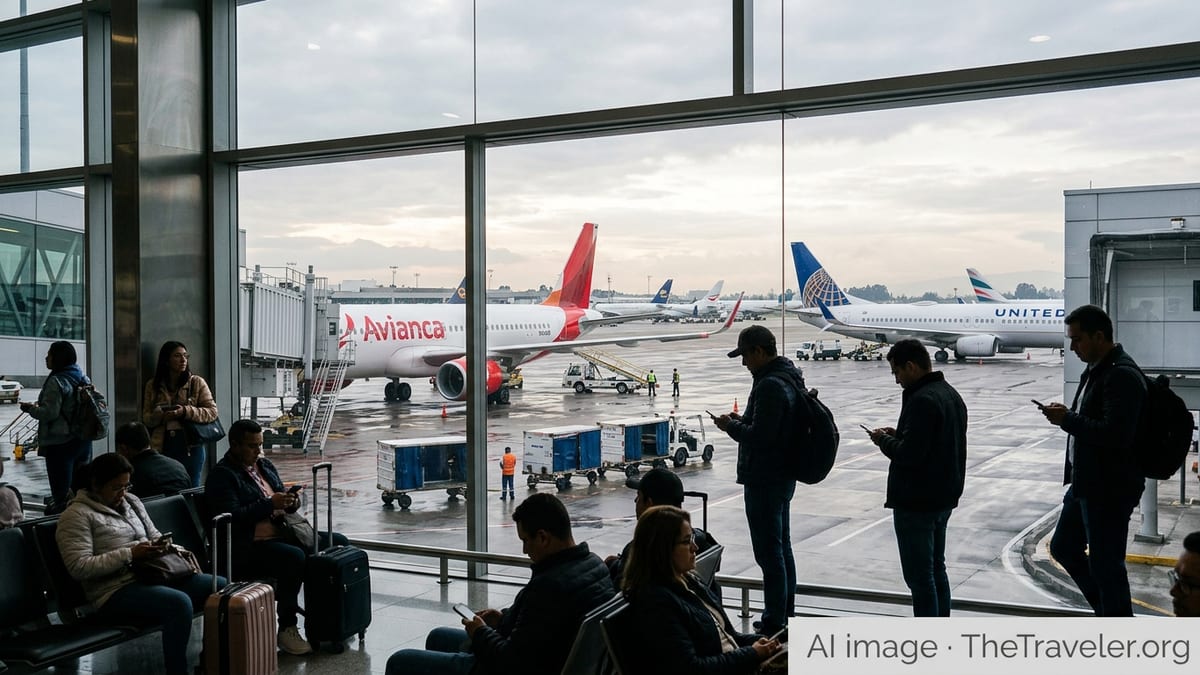
Multiple Cancellations Hit Colombia’s Busiest Corridors
Publicly available schedules and airport boards for March 20 and March 21 indicate a cluster of cancellations on routes linking Colombia’s main hubs of Bogotá, Medellín and Cali with key U.S. gateways, notably Newark. The affected flights include services marketed by Avianca and United Airlines, alongside schedule adjustments by other regional carriers operating within and beyond Colombia.
Information compiled from airline status pages and local media reports shows that flights between Bogotá’s El Dorado International Airport and Newark Liberty International Airport have been among the hardest hit, with both northbound and southbound departures scrubbed or retimed across the two days. Additional cancellations and significant delays have been reported on domestic and regional routes connecting Bogotá with Medellín and Cali, as well as onward connections to other U.S. cities routed via Newark.
While the total number of cancellations appears limited in comparison with peak disruption episodes seen in recent years, the clustering on a handful of high-demand routes has amplified the impact. Travelers transiting through Bogotá to reach secondary Colombian cities report missed connections, extended overnight stays and rebookings spread across several days, based on posts shared on traveler forums and social media.
The disruptions come at a time when Colombia continues to experience robust demand for both domestic and international air travel, with recent corporate filings and industry updates highlighting double-digit growth in seat capacity on popular corridors such as Bogotá to Medellín. That growth has left airlines operating close to capacity on some days, making the system more vulnerable when several flights cancel or misconnect in quick succession.
Weather, Airspace Constraints and Operational Pressures
Available data suggests that a mix of factors is driving the latest round of cancellations. On the U.S. side, United issued a recent weather-related travel waiver for the U.S. East Coast, including Newark, in connection with thunderstorms moving through the region in mid March. That waiver allows certain ticket changes without fees when flights are delayed or canceled because of storms and associated congestion in the terminal area.
Operational updates from aviation authorities and airlines also point to continuing caution around certain regional airspace, particularly in and around Venezuela. In late 2025, Venezuelan regulators withdrew operating permits from several foreign carriers, including Avianca and other Latin American and European airlines, after those airlines suspended routes following safety notices related to Venezuelan airspace. These changes have forced some carriers to reroute or trim schedules on longer-haul services that would typically cross that airspace, adding complexity to network planning.
In Colombia itself, carriers are still adapting to a reshaped domestic market after the exit of low cost operators in recent years and subsequent consolidation moves. Industry documents and financial disclosures show that airlines such as Avianca have been increasing capacity on core domestic routes like Bogotá to Medellín and Bogotá to Cali, while also managing rising costs, infrastructure constraints and a more price-sensitive customer base.
Travelers affected by the current round of disruption describe a familiar pattern: flights canceled or retimed within 24 hours of departure, limited same day rebooking options on already busy routes, and longer call center and chat wait times as customer service teams work through backlogs. Posting histories on airline discussion boards in recent weeks highlight both successful rebookings and ongoing frustration with slow processing of refunds and schedule changes.
Impact on Travelers to Bogotá, Medellín, Cali and Newark
The practical impact of these cancellations has been most acute for travelers using Bogotá as a connecting hub. Passengers flying from Newark to secondary Colombian destinations such as Medellín or Cali frequently connect through the capital, so a single canceled long haul leg can cascade into multiple missed domestic segments. Reports from recent days describe travelers being rerouted through alternative hubs, including other U.S. and Central American airports, or being forced to overnight in Bogotá while waiting for open seats.
On domestic routes, the cancellation of select frequencies between Bogotá, Medellín and Cali has narrowed options for same day travel, particularly for business travelers who rely on an intensive shuttle style schedule between the country’s main economic centers. Because some flights are departing nearly full, same day reaccommodation is not always possible, leading to longer delays than the raw number of cancellations might suggest.
For travelers originating in Colombia and heading to the United States, Newark has been a particular pinch point. As one of United’s primary transatlantic and domestic hubs, schedule adjustments in Newark can reverberate quickly, affecting connections onward to cities across the U.S. and beyond. Publicly accessible disruption notices indicate that some passengers have been offered alternative routings through other U.S. hubs, while others have been advised to shift travel dates within the flexibility windows established under weather waivers or airline specific policies.
Leisure travelers heading to or from Colombia during the early spring period, including visitors traveling for extended holidays or remote work stays, are also being caught up in the disruptions. Many of these travelers book itineraries that combine international long haul legs with domestic hops to destinations beyond Bogotá, Medellín or Cali, leaving them especially sensitive to missed connections when one part of the journey changes at short notice.
What Airlines Are Offering: Waivers, Rebookings and Refunds
In response to the recent weather patterns and resulting schedule changes, United has issued a travel waiver for affected dates that covers flights into and out of selected East Coast airports, including Newark. Under the terms described in the publicly available notice, eligible travelers can rebook onto alternative United or United Express services within specified date ranges without paying additional change fees, although fare differences may still apply in some cases.
Avianca and other carriers serving Colombia continue to apply their standard disruption policies, which generally allow free rebooking onto the next available flight in the same cabin when a cancellation is initiated by the airline. Some policies also contemplate refunds when the carrier is unable to transport a passenger within a reasonable time frame, although processing times for refunds have been a recurring point of complaint among travelers posting online.
Travel advocates and consumer facing guides emphasize the importance of acting quickly once a cancellation or significant schedule change is posted. Same day seats on alternative departures can disappear rapidly on high demand corridors like Bogotá to Medellín and Bogotá to Newark, particularly during busy travel periods. Monitoring airline apps and flight trackers closely, and confirming any proposed changes directly through official channels, can improve the chances of securing a workable alternative.
For travelers whose plans are flexible, published guidance suggests considering adjustments of one or two days around the most affected dates, or exploring routings through alternate hubs used by Star Alliance or competing carriers. In some situations, particularly on short haul domestic legs, ground transport options such as intercity buses may provide a backup solution when same day flights are unavailable or prohibitively expensive.
Planning Ahead for Near Term Travel to and from Colombia
Looking ahead to the rest of March and early April, airline schedules into Colombia continue to show strong activity, but the recent wave of cancellations underscores the value of building extra resilience into travel plans. Industry data indicates that carriers are keeping capacity high on core Colombian routes while also managing seasonal weather risks and regional airspace considerations that can prompt last minute adjustments.
Travel specialists recommend that passengers heading to Bogotá, Medellín, Cali or connecting hubs such as Newark in the coming days leave generous layover times when booking itineraries that involve connections. A longer layover in Bogotá or a U.S. hub can reduce the risk that a relatively minor delay or equipment swap will lead to a missed onward flight.
It is also advisable to ensure that contact details within airline profiles and bookings are up to date, so that schedule change notifications reach travelers promptly by email or mobile alert. Regularly checking flight status starting 24 hours before departure can provide early warning of potential issues and give passengers more time to evaluate alternatives.
Although the latest disruptions may resolve as weather systems move through and airlines complete short term schedule adjustments, the episode highlights the ongoing sensitivity of Colombia’s busiest air corridors to shocks in both domestic operations and international hubs. For now, travelers are being urged by public guidance and travel advisories to remain vigilant, stay flexible and make use of available waivers and rebooking options when planning near term trips involving Bogotá, Medellín, Cali, Newark and related routes.