

More news on this day
Travellers using Singapore Changi Airport are facing fresh disruption as Gulf Air, Malindo Air, Philippine Airlines and other carriers cancel close to a dozen services, interrupting popular short-haul and long-haul links to Kuala Lumpur, Penang, Manila and Bahrain.
Get the latest news straight to your inbox!
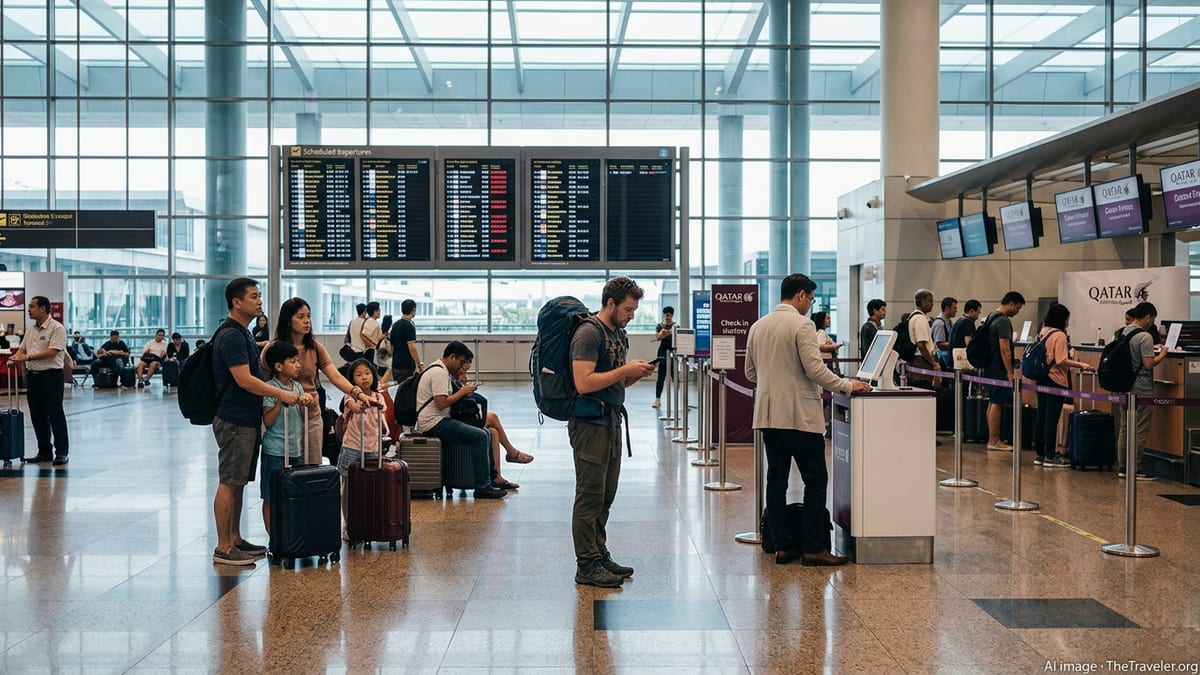
Cluster of Cancellations Hits Regional and Gulf Routes
Recent operational updates and flight-tracking data show a concentrated run of cancellations affecting services from Singapore Changi to several key regional and Gulf destinations. Flights involving Gulf Air, Malindo Air, Philippine Airlines and at least one other carrier have been removed from schedules or marked as cancelled over a short window, translating into nearly a dozen disrupted departures and arrivals.
The affected routes include heavily used sectors between Singapore and Kuala Lumpur and Penang, as well as Manila and Bahrain. These corridors are crucial both for point-to-point traffic and for passengers connecting onward to Europe, the Middle East and other parts of Southeast Asia. The timing of the cancellations, close to the late-March travel period, has intensified the impact for business travellers, overseas workers and holidaymakers.
Published coverage links the disruptions in part to wider airspace and geopolitical tensions that have already triggered schedule cuts and rerouting across multiple airlines in the region. In some cases, airlines are consolidating services or temporarily trimming frequencies, which can turn a routine multi-daily route into a more fragile lifeline with fewer backup options when something goes wrong.
For Changi, consistently ranked among the world’s most reliable hubs, this cluster of cancellations is an unusual bump in what is typically a tightly managed network operation, underlining how quickly external shocks can ripple through even the best connected airports.
What Travellers on Affected Airlines Are Reporting
Publicly available reports from passengers show a mixed experience across the affected airlines. Travellers booked on Gulf Air services involving Singapore and Bahrain describe flights disappearing from booking systems, followed by notifications that journeys this month can be cancelled or refunded, as the carrier responds to operational pressures and constraints linked to the wider Middle East situation.
Malindo Air, now operating under the Batik Air Malaysia brand, has also adjusted regional schedules over recent seasons as demand and regulatory conditions shift. On the Singapore to Kuala Lumpur and Penang legs, that flexibility can translate into short-notice changes when aircraft and crew are reshuffled, leaving some passengers with rebooked itineraries or forced layovers when a round of cancellations hits.
For Philippine Airlines customers, cancellations tied to regional disruptions come on the heels of earlier fleet and operational adjustments in the past year. Travellers connecting between Singapore and Manila, or onward to provincial destinations in the Philippines, report having to secure alternative routings or later departures when specific Singapore–Manila rotations are pulled from the schedule at short notice.
Across all three airlines, many travellers say they receive basic email or app alerts about the disruption but must still navigate crowded contact centres, online chat queues or third-party travel agents to finalise refunds, vouchers or new itineraries. The uneven pace of rebooking has made it important for passengers to monitor their reservations closely rather than waiting for day-of-travel updates.
Impact on Key Short-Haul Gateways: Kuala Lumpur and Penang
The Singapore to Kuala Lumpur and Penang routes usually see multiple daily services from a mix of full-service and low-cost carriers, making them among the most competitive city pairs in the region. When several flights are cancelled in quick succession, the knock-on effects are magnified, as passengers try to shift onto remaining departures that may already be near capacity.
Short-haul disruptions are particularly challenging for business travellers who rely on early morning and late evening flights to fit same-day meetings. With some Malindo Air rotations removed and other operators already running high load factors, seats on alternative departures can quickly become scarce, and fares may rise for last-minute purchases.
The cutbacks also complicate itineraries for travellers using Kuala Lumpur or Penang as stepping stones to other destinations within Malaysia or beyond. Missed connections can cascade into overnight stays, additional costs and the need to rebook separate domestic segments when original tickets were issued on a single through-fare.
While overall connectivity between Singapore and these Malaysian cities remains robust thanks to multiple airlines on the route, the current wave of cancellations illustrates how a relatively small reduction in daily frequencies can still significantly erode flexibility at peak periods.
Manila and Bahrain Links Strained by Wider Regional Tensions
Longer-haul links to Manila and Bahrain are feeling a different kind of strain. For Manila, the Singapore service is a key regional connector, feeding both overseas Filipino workers and leisure travellers onto broader networks within Southeast Asia and beyond. When Philippine Airlines trims or cancels a run of flights to or from Changi, those travellers may have to juggle separate bookings, shifting between carriers such as low-cost rivals or other full-service airlines to complete their journeys.
For Bahrain, Gulf Air’s role as a Middle East connector means any reduction in Singapore-linked services reverberates across a much wider map. Travellers heading between Singapore and European or Middle Eastern destinations via Bahrain may find their itineraries rerouted through alternative hubs, or replaced entirely with itineraries on different carriers if a Gulf Air leg is withdrawn.
Regional airspace restrictions and evolving security assessments have already prompted several airlines to adjust routings, add technical stops or temporarily suspend certain legs. Against that backdrop, each additional cancellation in the Singapore to Bahrain corridor tightens capacity and reduces options for passengers seeking to avoid longer or more complex routings.
Publicly accessible flight data suggests that, at least in the near term, Gulf Air’s Singapore services are operating with a higher risk of adjustment than many other long-haul routes from Changi, making proactive checking of flight status and booking conditions especially important.
What Travellers Should Do Now
For those booked on upcoming flights between Singapore and Kuala Lumpur, Penang, Manila or Bahrain, the most urgent step is to verify the status of each flight segment directly through the airline’s official channels or a reputable flight-tracking platform. Automated notifications can lag behind operational decisions, so manual checks in the days and hours before departure are advisable.
Passengers whose flights are already showing as cancelled should review their fare rules and any disruption waivers published by the airline. Many carriers facing network issues are providing options such as free date changes, alternative routings on their own or partner networks, or full refunds. However, the exact choices often differ not only between airlines but also between ticket types and booking channels.
Those who booked through online travel agencies or traditional agents may need to coordinate both with the airline and the intermediary to finalise changes. Given the reported strain on customer service teams, travellers are increasingly turning to self-service tools in airline apps and websites where available, using these platforms to select new dates or claim refunds without waiting on hold.
In the short term, anyone planning time-sensitive trips on these routes may wish to build in additional buffers, consider earlier departures, or look at alternative carriers that still have open inventory. As airlines continue to refine their late-March and April schedules in response to regional conditions, flexibility and close monitoring remain the best defences against further disruption at Singapore Changi.