

More news on this day
More than 25 flights to and within Mexico have been cancelled over the past 24 hours, disrupting trips to popular destinations including Cancun, Mexico City, Guadalajara, Monterrey, Tijuana and Los Cabos, according to airline status boards and airport updates.
Get the latest news straight to your inbox!
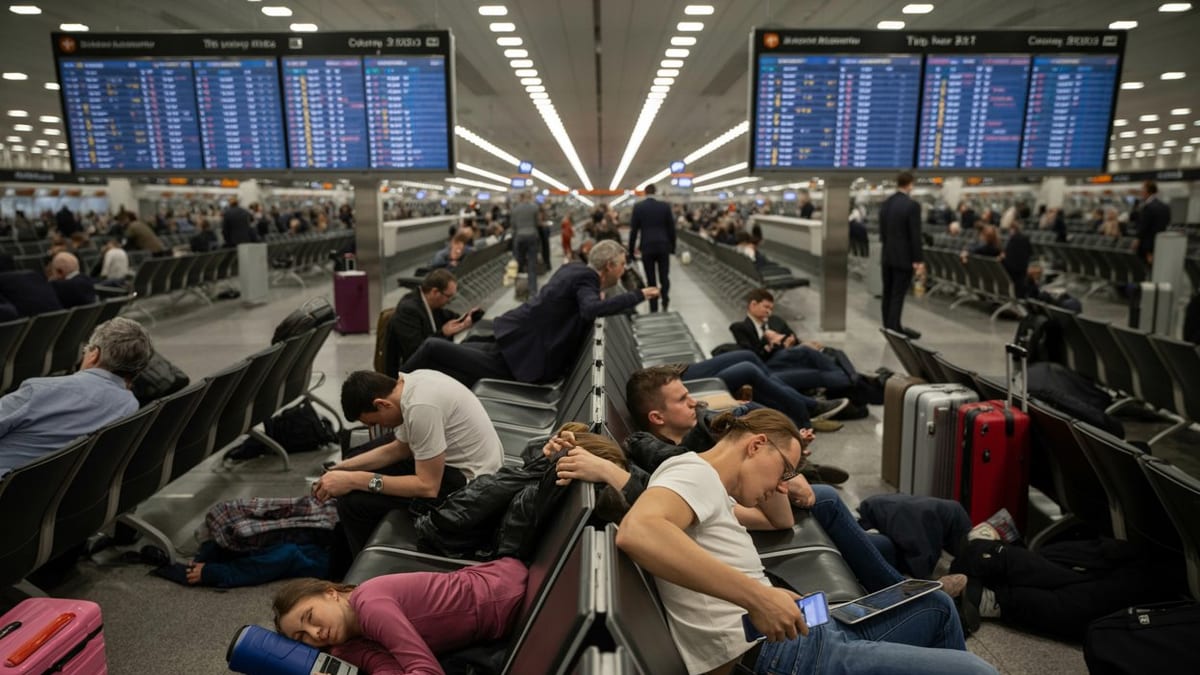
Image by Global Travel Alerts, Advisories, International Travel Alerts
Multiple Airlines Pull Flights Across Key Mexican Gateways
Publicly available flight-tracking data and airport information show a wave of cancellations affecting services to major Mexican hubs, with WestJet, Viva Aerobus, Spirit Airlines and United among the most affected carriers. Additional disruptions have been reported on some services operated by other North American airlines that connect to Mexico’s resort cities and business centers.
The cancellations are concentrated on high-demand routes linking Canadian and United States cities with Cancun, Mexico City, Guadalajara, Monterrey, Tijuana and Los Cabos. These corridors handle substantial leisure and visiting-friends-and-relatives traffic ahead of the northern spring and Easter holiday period, amplifying the impact on travelers.
Operational issues range from aircraft rotation challenges and crew availability to weather-linked disruptions on northbound segments that cascade into southbound flights. In some cases, airlines have combined or retimed services rather than operating full schedules, leading to passengers being shifted to later departures or alternative routings through Mexico City or regional hubs.
Some carriers have introduced limited schedule adjustments rather than full cancellations on selected days, trimming frequencies on secondary routes while maintaining core daily operations to Mexico’s largest airports. However, for travelers whose specific flight has been cancelled, the effect is effectively the same, with rebooking or refunds required.
Destinations Most Affected: Cancun, Mexico City and Pacific Resorts
Based on current schedules and day-of-operations data, Cancun and Mexico City remain the focal points of the disruption simply because they receive the highest volume of international services. Flights from key North American gateways into Cancun have been among those cancelled, including select services marketed by WestJet, Spirit Airlines and United, while some low-cost carriers have adjusted timings or consolidated operations.
Mexico City’s two main airports continue to see strong demand and high traffic levels. Viva Aerobus and other domestic carriers operate dense schedules that feed regional destinations such as Guadalajara, Monterrey, Tijuana and Los Cabos. When a single domestic leg is cancelled, knock-on effects can appear across the network, limiting same-day recovery options for passengers trying to connect onward from the capital.
On the Pacific side, resort destinations including Los Cabos and nearby coastal cities have also registered cancellations and delays. These airports typically rely on a mix of scheduled and seasonal services from Canada and the United States, which can be particularly vulnerable to disruption when an airline reduces capacity or faces irregular operations at its home hub.
Travelers booked to or through these airports are encountering longer connection times, reduced same-day rebooking possibilities and, in some cases, the need to overnight in gateway cities while waiting for the next available departure.
What Impact Travelers Are Seeing on the Ground
Reports from passengers and publicly visible airport departure boards indicate that many travelers are facing extended waits at check-in counters and customer service desks as carriers work through rebooking backlogs. Queue times can lengthen quickly when several cancellations occur around the same bank of departures.
Some passengers are being accommodated on partner airlines or rerouted through alternate Mexican cities where space is available, particularly on routes involving United and other global network carriers. Low-cost operators such as Viva Aerobus and Spirit Airlines, which run leaner operations and fewer interline agreements, may have more limited options, increasing the likelihood of overnight delays or the need for travelers to purchase new tickets.
With aircraft often operating near full capacity during peak periods, same-day recovery space is scarce. Even when a rebooking is offered, replacement flights may involve less convenient departure times, additional stops or longer travel days, reshaping itineraries that were planned around resort check-in times or onward ground transportation.
Families and group travelers are also reporting seat splits, where parties are rebooked on the same flight but separated across the cabin, or on different flights altogether when seat availability is tight. This can create additional stress for those coordinating connections, hotel arrivals or shared ground transfers.
How Airlines Are Responding and What Flexibility Exists
Airlines affected by the cancellations are relying on standard irregular-operations playbooks that include rolling rebookings, the use of larger aircraft where possible and voluntary change options on certain routes. Publicly available notices from some carriers show temporary waivers allowing ticketed passengers to shift travel dates without change fees when space is available in the original cabin.
Network airlines such as United typically offer more possibilities to re-accommodate passengers via alternative hubs if direct services to a Mexican gateway are disrupted. In contrast, ultra-low-cost carriers, including Viva Aerobus and Spirit Airlines, generally operate point-to-point networks with fewer backup options and may primarily provide refunds or limited-date changes when flights do not operate as scheduled.
WestJet, which has built a sizable leisure network into Mexican sun destinations, has in recent seasons adjusted schedules and, at times, reduced frequencies on certain routes during periods of operational strain. When that occurs in combination with disruptions at Canadian hubs, the impact on southbound and northbound Mexico flights can be magnified.
Travel waivers currently in place on some international Mexico routes, including those connected to broader regional instability or operational constraints, can provide additional flexibility for travelers willing to adjust their plans to shoulder dates or alternative airports such as Puerto Vallarta or Mérida.
Practical Guidance for Travelers Heading to Mexico Now
For travelers with upcoming trips to Cancun, Mexico City, Guadalajara, Monterrey, Tijuana, Los Cabos or other Mexican destinations, the current disruptions highlight the value of proactive planning. Airlines and airports advise passengers, through their public channels, to monitor flight status closely in the 24 to 48 hours before departure and again on the day of travel.
Checking in as early as online systems allow and enrolling in airline notifications can provide faster awareness of any last-minute changes. When a cancellation is posted, acting quickly often improves the chances of securing a seat on the next available departure, especially on peak days when flights routinely operate near capacity.
Travelers connecting through Mexican hubs should build in additional buffer time for both outbound and return journeys in case of delays or missed connections. Those with nonrefundable hotel stays or prebooked ground transfers may wish to review the flexibility and cancellation terms of those reservations, as any flight disruption could ripple through the rest of the itinerary.
Finally, the latest wave of cancellations is an important reminder to consider travel insurance or credit card protections that cover trip interruption and delay. Policies vary widely, but some products may reimburse additional lodging, meals and transportation costs when flights are cancelled or significantly delayed, providing an extra layer of protection for travelers heading to Mexico during a volatile operating period.