

More news on this day
Travelers moving through Japan face fresh disruption as more than a dozen flights operated by Philippine Airlines, All Nippon Airways, Japan Airlines, Skymark, Japan Air Commuter, and Japan Jet have been cancelled, affecting international links to Manila and Taiwan as well as domestic routes to Memanbetsu, Yakushima, Izumo, Osaka, Kagoshima, Fukuoka, and other regional hubs.
Get the latest news straight to your inbox!
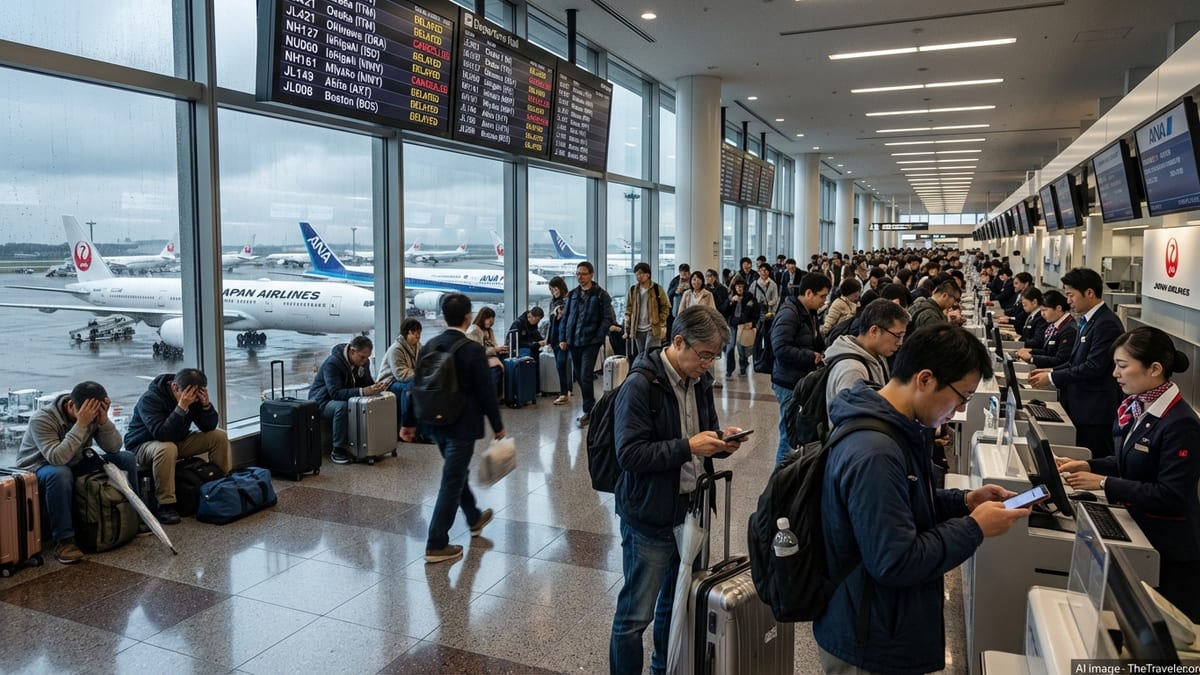
Latest Wave of Cancellations Hits Key Japan Gateways
Recent operational updates from Japanese and regional carriers show a cluster of cancellations impacting both international and domestic services. Publicly available airline timetables and airport notices indicate that routes connecting Japan with Manila and Taiwan, along with multiple flights within Japan, have been particularly affected.
The disruptions are spread across several operators. Philippine Airlines has adjusted parts of its Japan network between Manila and cities such as Osaka and Fukuoka, while All Nippon Airways and Japan Airlines have trimmed a number of domestic services that link major hubs with outlying airports. Low cost and regional operators including Skymark, Japan Air Commuter, and Japan Jet are also listed in schedule changes, concentrating the impact on regional travelers relying on short-hop connections.
The pattern shows cancellations clustered on specific calendar dates and peak travel days, rather than a wholesale suspension of entire routes. However, the effect at ground level can resemble a larger cutback, especially where alternative frequencies are limited or where smaller regional airports depend on just a few daily flights.
For travelers transiting Japan on multi-leg itineraries, the main risk is missed connections. A cancelled domestic segment to or from Osaka, Fukuoka, Kagoshima, or secondary airports such as Memanbetsu, Yakushima, or Izumo can break an otherwise confirmed long haul journey, leaving passengers to rebook at short notice.
Airlines Adjust Networks Linking Manila, Taiwan, and Japan
International links between Japan and the Philippines have been in flux through recent seasons, and the latest cancellations extend that trend. Schedule documents for Philippine Airlines show that some Japan flights in the current winter and upcoming summer periods are marked as non-operating on selected dates, including services that connect Manila with Osaka and Fukuoka. In some cases, only one direction on certain days is cancelled, narrowing options for round-trip travelers.
Similar volatility appears on links involving Taiwan. Low cost and hybrid carriers serving Taiwan from Japan have been reshaping their networks, and publicly available route information indicates that some departures to and from Taiwanese cities are now concentrated on fewer days of the week. When one of those already limited flights is cancelled, travelers may find that same-day alternatives require backtracking through Tokyo or Osaka, or even an overnight stay.
Japan Airlines and All Nippon Airways continue to operate core trunk services between Tokyo and major Asian destinations, but they have also refined their schedules in response to demand and fleet changes. In practice, that means fewer backup options when a single international flight is removed from the timetable, particularly outside the busiest city pairs.
For travelers planning upcoming trips that combine Manila or Taiwan with regional Japanese cities, it has become more important to verify not only that a route is advertised, but that the specific flight number is still operating on the chosen travel date, as last minute timetable adjustments remain possible.
Domestic Routes to Regional Airports Also Affected
Inside Japan, flight disruptions have reached a series of regional airports that play an outsized role in tourism and local mobility. Data from network summaries and seasonal schedules show that destinations such as Memanbetsu in Hokkaido, Yakushima in Kagoshima Prefecture, and Izumo in Shimane Prefecture are served by relatively few daily flights from major hubs like Osaka, Fukuoka, and Tokyo.
When a carrier like ANA, Japan Airlines, Skymark, or Japan Air Commuter cancels even one rotation on these thinner routes, seat availability can tighten quickly. For example, an airport that typically sees one or two flights per day to Osaka or Fukuoka may temporarily have no same day alternative if one departure is pulled from operation or fully rebooked by disrupted passengers.
Osaka and Fukuoka themselves remain heavily served, but cancellations on specific flights can still have ripple effects. Travelers connecting from international arrivals to domestic legs may lose carefully timed onward segments to Kagoshima, Izumo, or other regional centers and face rebooking onto later flights with limited seats, particularly during peak holiday periods and weekends.
Regional tourism boards have increasingly positioned these smaller destinations as gateways to national parks, hot spring towns, and island getaways. Cancellations on routes into Memanbetsu, Yakushima, and similar airports therefore risk not only personal inconvenience for travelers, but also lost tourism revenue for communities that depend on predictable air access.
Operational and Seasonal Factors Behind the Disruptions
Public coverage and airline notices suggest a mix of reasons for the latest wave of cancellations rather than a single cause. Seasonal schedule transitions between winter and summer timetables often bring adjustments, as carriers fine tune frequencies based on booking trends and aircraft availability. In some cases, flights are listed in timetable PDFs with annotations that certain dates will not operate, reflecting planned cuts rather than sudden operational breakdowns.
Fleet and network restructuring also play a role. Japanese carriers and their partners have been reshaping their operations, including changes to low cost subsidiaries and regional feeders. As aircraft move between brands, bases, and route types, some services are trimmed or consolidated. That process can result in cancelled segments on less trafficked routes, particularly to smaller cities and island airports.
Weather remains another recurring factor in Japan, where seasonal storms and winter conditions can force last minute cancellations that are not fully visible in advance timetable documents. While the current cluster of cancellations appears heavily tied to schedule planning, travelers in late winter and early spring still need to consider the possibility of weather related disruption on top of structural network changes.
Because Japan does not apply the same compensation framework common in some other regions for flight disruption, published information and traveler reports emphasize that affected passengers are typically offered refunds or rebooking on later services, but not broader financial compensation for delays or missed connections.
What Travelers Should Check Before Flying
With multiple carriers adjusting flights to and within Japan, travelers are being encouraged by publicly available advisories and airline updates to double check their itineraries, especially when connections involve Manila, Taiwan, or regional airports such as Memanbetsu, Yakushima, Izumo, Kagoshima, and Fukuoka. Confirming flight status directly on the carrier’s website or app within 24 to 48 hours of departure can help identify changes early.
Travel insurance policies that include trip interruption benefits may offer additional protection, although the level of coverage varies. Many policies respond differently to schedule changes versus outright cancellations, so travelers are advised by consumer guides to review their policy wording carefully and keep documentation of any airline notifications they receive.
Flexible booking options, such as tickets that allow free date changes or the use of airline credits, can provide more room to maneuver if a flight is pulled from the schedule. Passengers connecting from long haul services into domestic legs might consider longer layovers where possible, creating a buffer in case of disruption on either segment.
Given the evolving situation, travelers planning trips that link Japan with Manila, Taiwan, or smaller regional airports may wish to monitor route announcements over the coming weeks. Timetables for late spring and summer are still being refined, and further adjustments remain possible as airlines respond to demand, operational constraints, and broader network strategies.