

More news on this day
Dozens of flights operated by Viva Aerobus, Aeromexico, United Airlines and other carriers have been canceled or significantly delayed across Mexico, disrupting travel on key routes to Cancun, Guadalajara, Vancouver, Toronto, San Francisco, Detroit and several other cities in North America.
Get the latest news straight to your inbox!
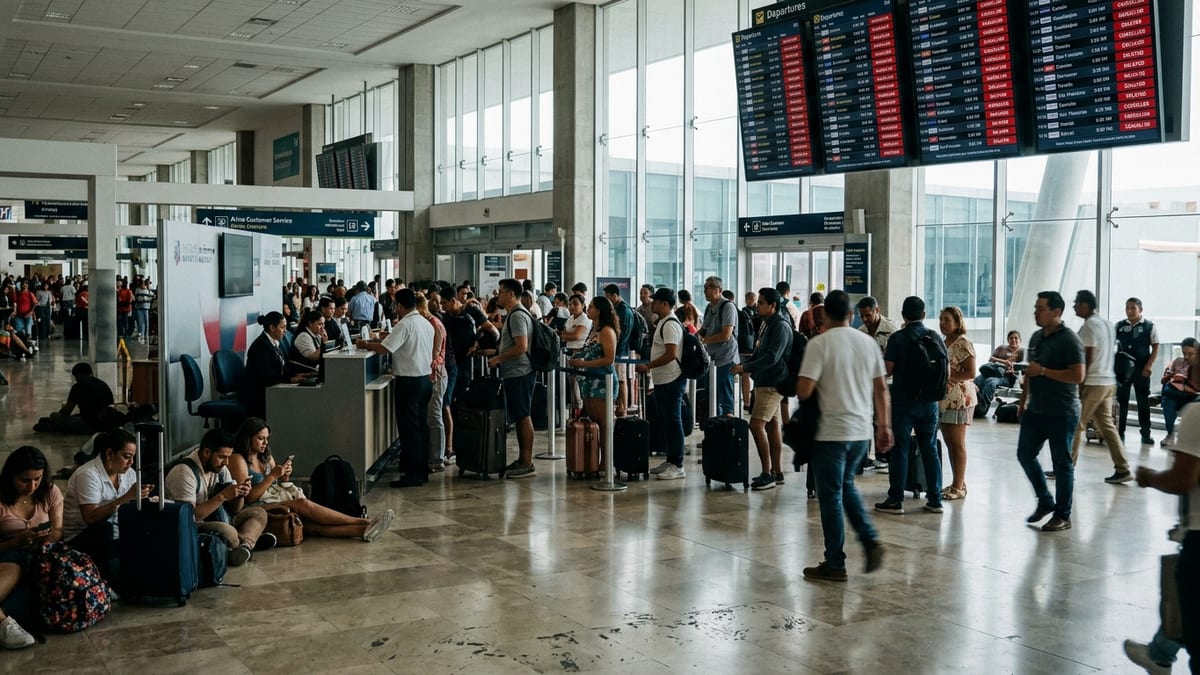
Air Travel Disruptions Hit Major Mexican Gateways
Recent operational disruptions in Mexico’s aviation network have led to more than 40 cancellations and a larger number of delays on routes linking major Mexican hubs with Canada and the United States. Publicly available data from airport boards and airline tracking platforms on March 24 and March 25 show clusters of cancellations affecting flights to and from Mexico City, Cancun and Guadalajara, with knock-on effects at airports in Vancouver, Toronto, San Francisco and Detroit.
Low cost operator Viva Aerobus and flag carrier Aeromexico are among the airlines most visibly affected inside Mexico, while United Airlines and other North American carriers have recorded cancellations and schedule changes on cross border services. The interruptions come on the heels of a turbulent period for Mexican aviation, including security related disruptions earlier in the year in Jalisco state that led to suspended and rerouted services around Guadalajara and Puerto Vallarta, and a series of weather related disturbances impacting North American networks in March.
While no nationwide shutdown has been reported, the pattern of scattered cancellations and longer than usual delays is creating uncertainty for travelers moving through Mexico’s busiest tourism and business corridors. Airports and airlines continue to advise passengers to monitor their flight status closely and to allow additional time for check in and security formalities.
The full impact is most visible at peak travel times, where a single cancellation can rapidly cascade into missed connections on multi leg itineraries linking secondary Mexican cities with hubs in the United States and Canada.
Viva Aerobus and Aeromexico Face Operational Strain
Viva Aerobus, one of Mexico’s fastest growing low cost airlines, has seen a series of schedule adjustments in recent weeks, including today’s wave of cancellations reported at Mexico City, Cancun and regional airports. Flight boards reviewed on March 25 show Viva Aerobus services scrubbed on domestic runs as well as on connecting itineraries used by travelers heading onward to Canada and the United States.
The airline has been expanding aggressively, particularly on leisure heavy routes to beach destinations such as Cancun and to secondary cities that feed traffic into long haul networks operated by other carriers. That rapid growth leaves little slack in the system when issues arise, whether from crew and aircraft availability, congestion on the ground, or broader disruptions in Mexico’s air traffic system.
Aeromexico, the country’s main full service carrier, has also recorded cancellations and extended delays during the latest disruption window, especially on flights feeding its Mexico City and Guadalajara hubs. Publicly available information from Mexican media and airline data providers indicates that Aeromexico has been adjusting schedules around busy late March travel dates, a period that coincides with heightened demand from both domestic passengers and international visitors.
Industry observers note that both airlines operate in a complex environment marked by infrastructure constraints at Mexico’s main airports, evolving security considerations on routes through western Mexico, and a broader North American network still recovering from weather and operational shocks earlier in the month.
United and North American Carriers Adjust Cross Border Schedules
United Airlines has been among the foreign carriers most affected by recent instability around Guadalajara and other western Mexican cities. In February, the airline issued a series of travel waivers tied to civil unrest in Jalisco state, allowing customers booked through March to adjust plans without standard change penalties. Reports from travelers show that some United flights between Guadalajara and U.S. hubs, including Houston and other connection points, were canceled as security operations unfolded and road access to airports was periodically blocked.
The new wave of cancellations and delays at the end of March has again touched United’s network, with flights between Mexican cities and destinations such as San Francisco and Detroit among those affected on certain days. Airline systems indicate a combination of outright cancellations and aircraft swaps leading to tighter capacity than originally scheduled.
Other North American carriers serving Mexico, including competitors based in Canada and the United States, have also had to trim or retime flights. Vancouver and Toronto have both seen disrupted departures and arrivals on Mexico bound services in recent weeks, partly as a result of operational issues inside Mexico and partly due to weather related challenges across the continental network earlier in March.
Because many Canadian and U.S. travelers rely on Mexican connections to reach beach resorts and secondary cities, even a handful of cancellations can strand passengers far from their final destination, forcing rebookings through alternative hubs or overnight stays while waiting for open seats.
Key Routes Impacted: Cancun, Guadalajara and Beyond
Within Mexico, Cancun and Guadalajara have emerged as two of the most sensitive points in the current disruption pattern. Cancun, the country’s flagship Caribbean resort gateway, has experienced a mix of cancellations and long delays on flights operated by Viva Aerobus, Aeromexico and foreign carriers. These disruptions ripple outward to major North American cities, including Toronto and Vancouver, where aircraft and crews depend on tight turnarounds from Mexican arrivals.
Guadalajara, a critical hub for both domestic and international operations, continues to feel aftershocks from security operations and roadblocks reported in February. While published information from airports and government bulletins emphasizes that terminals have generally remained open, interruptions to ground access and heightened security measures have contributed to flight cancellations and schedule reshuffling, especially on routes to U.S. hubs served by United and other airlines.
Additional pressure points include Mexico City, Monterrey and secondary tourism markets that connect via these hubs. Travelers heading to or from destinations such as San Francisco and Detroit often route through Mexican or U.S. connection points; when one leg is canceled, the rest of the itinerary can quickly unravel. In several instances documented by passenger reports, cancellations on Mexican domestic segments operated by Viva Aerobus or Aeromexico have led to missed United or other international connections northbound.
For Canadian travelers, disrupted Mexico links have particularly affected winter sun itineraries out of Vancouver and Toronto, where flights to Cancun, Puerto Vallarta and other coastal airports form a core part of seasonal schedules.
What Travelers Should Expect in the Coming Days
With airline networks still recovering from March’s severe North American weather and localized security disruptions within Mexico, travelers should anticipate continued volatility in flight operations over the coming days. While the number of cancellations observed on March 25 is limited relative to major systemwide meltdowns seen in past years, the clustering of more than 40 affected flights across several carriers is enough to cause missed connections and extended travel times.
Publicly available guidance from airlines and airport operators emphasizes the importance of monitoring reservations in real time, ideally through airline apps or departure boards, and reconfirming itineraries before leaving for the airport. Passengers who are connecting through Mexican hubs on their way to or from destinations such as Cancun, Guadalajara, Vancouver, Toronto, San Francisco or Detroit may wish to build in longer connection times or consider alternative routings when possible.
Travelers booked on Viva Aerobus, Aeromexico, United or other carriers operating in and out of Mexico during late March are also encouraged to review fare rules and any active travel waivers. In recent weeks, some airlines serving Mexico have issued flexible change policies for trips touching regions affected by security operations or significant weather, which can provide options for date changes or rerouting without typical penalties.
As the situation evolves, the pattern of disruptions underscores how quickly local issues in one part of Mexico’s aviation system can reverberate across the broader North American network, affecting flights and passengers far from the original source of the problem.