

More news on this day
Travelers heading between Lima and Cusco are facing fresh disruption as more than half a dozen LATAM group services, including LAN and LPE operated flights, are reported canceled or heavily delayed on one of Peru’s busiest domestic corridors.
Get the latest news straight to your inbox!
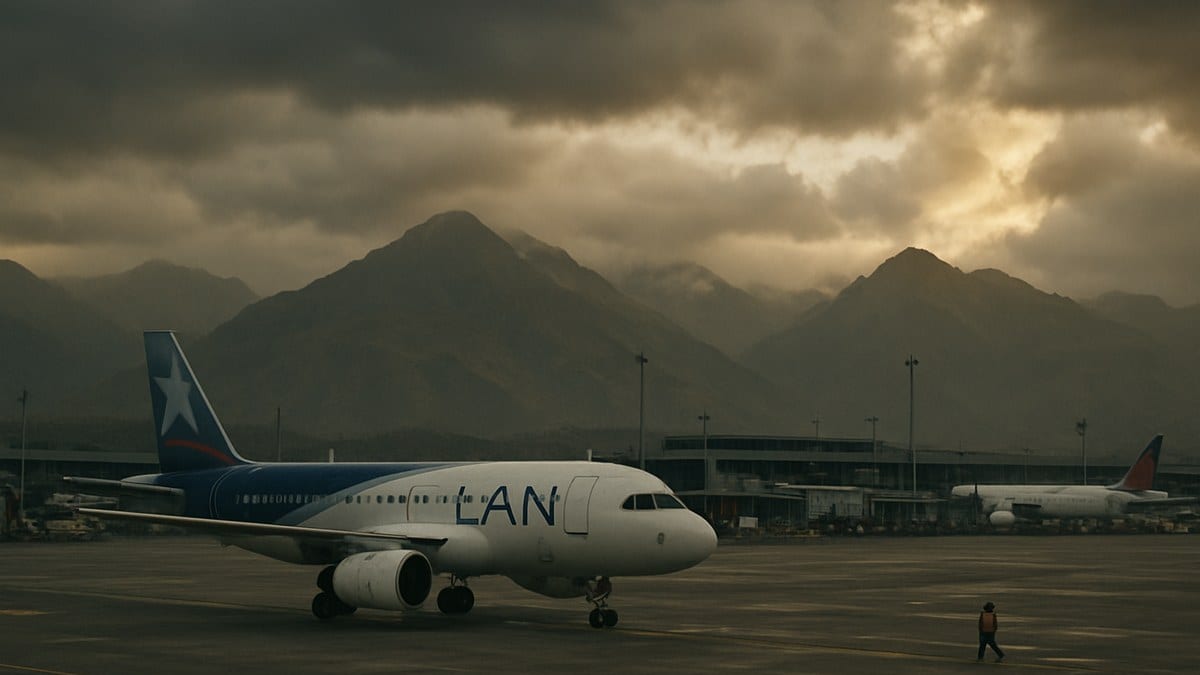
Image by Nomad Lawyer
Operational Turbulence on Peru’s Busiest Tourist Route
Published flight information for late March 2026 shows a cluster of cancellations and extended delays affecting Lima–Cusco rotations under LAN and LPE flight codes, which are used within the LATAM group for Peru domestic services. The disruptions affect morning and afternoon departures in both directions, narrowing already tight travel windows for visitors trying to connect onward to the Sacred Valley and Machu Picchu.
Publicly available schedules indicate that at least six individual sectors on the Lima–Cusco trunk have been removed or zeroed out over a short period, with additional flights flagged as delayed beyond three hours. While Peru’s domestic network routinely sees weather and congestion related changes, the current pattern concentrates on one of the country’s most strategically important routes for tourism and local business travel.
The Lima–Cusco corridor links the capital with the country’s main highland gateway and normally offers a dense bank of frequencies throughout the day. Any reduction in service quickly cascades through itineraries, particularly for travelers who have prebooked fixed-entry visits to Machu Picchu or timed rail departures from Cusco and the Sacred Valley.
Industry reporting on Peru’s domestic market has noted that the Lima–Cusco route remains one of LATAM Peru’s highest profile links, shared with competitors such as Sky Airline and JetSmart on some dates. Short-term adjustments therefore tend to be felt widely, filling remaining seats on alternative carriers and driving up last-minute fares.
Weather, Altitude and Airport Constraints in Cusco
Several recent traveler reports and aviation discussions highlight that Cusco’s challenging geography and afternoon weather patterns continue to play a central role in operational reliability. The airport sits in a valley at high altitude, where low clouds, crosswinds and seasonal storms can require tighter approach profiles and, at times, force crews to abandon or divert arrivals from Lima.
When inbound flights are unable to land in Cusco, aircraft and crew rotations backing Lima–Cusco–Lima services are disrupted, which can lead to successive cancellations under the same flight numbers later in the day. This effect is particularly acute for airlines operating short turnarounds, such as many domestic LAN and LPE flights, which rely on quick ground times to sustain daily frequency.
Published travel advice for Peru frequently warns that afternoon flights into Cusco carry a higher disruption risk than early morning departures, largely because local wind and cloud conditions tend to deteriorate as the day progresses. Recent passenger anecdotes from forums in early 2026 echo this pattern, describing last-minute cancellations and lengthy rebookings after weather around Cusco deteriorated.
Operational notes from LATAM group and broader regional aviation analyses also emphasize that Peru’s regional airports, including Cusco, still face infrastructure and runway limitations that can magnify the impact of even modest weather events. When visibility or runway conditions fall outside specific parameters, carriers have limited flexibility to continue operating safely at full schedule density.
Knock-On Effects for Machu Picchu and Inca Trail Itineraries
The latest disruptions arrive at a time when many travelers are finalizing 2026 itineraries that hinge on precise timing between flights, train departures and regulated access slots for Machu Picchu and the Inca Trail. Tour operators and advisory blogs have long stressed the need to leave buffer days in Peru itineraries, and the current run of cancellations on Lima–Cusco services is reinforcing that guidance.
Reports indicate that some passengers affected by the LAN and LPE cancellations have had to adjust or downgrade their plans, including missing prebooked rail departures from Cusco and Ollantaytambo or rescheduling guided treks. Because entry to Machu Picchu itself is capped and often sold out on specific dates, a missed domestic flight can be more than an inconvenience, potentially undermining the central objective of a Peru trip.
Published guidance from Inca Trail operators for the 2026 season already encourages travelers to avoid same day connections between international arrivals in Lima and critical domestic segments to Cusco whenever possible. The current wave of cancellations on LAN and LPE flights is likely to be cited as further evidence that overnighting in Lima or Cusco before key excursions is a safer strategy.
With train capacity to Machu Picchu also constrained, especially in peak months, any cluster of canceled flights from Lima reduces the pool of travelers able to reach boarding points in time. This can cause short-term imbalances, with some departures leaving lighter than expected and others oversubscribed after passengers are rebooked onto later flights.
Impact on Peruvian Travelers and Domestic Connectivity
While international tourists may be the most visible group affected, the Lima–Cusco disruption has significant implications for Peruvian travelers who rely on this corridor for work, study and family visits. For residents of Cusco and the surrounding region, LAN and LPE flights form an essential air bridge to the capital for administrative services and onward international travel.
Publicly available accounts from recent weeks describe travelers missing onward connections from Lima after departing Cusco several hours later than scheduled, as well as business passengers facing overnight stays when evening returns were removed from the timetable. Domestic travelers, who often book closer to departure, can find themselves with fewer same day alternatives once a batch of services is canceled.
Aviation market reviews note that after the exit of several smaller domestic carriers from Peru in recent years, the Lima–Cusco route has become more concentrated among a handful of operators. When a single airline family like LATAM, operating under LAN and LPE codes, trims multiple adjacent frequencies, the ability of the remaining market to absorb passengers on short notice is limited.
The situation has renewed discussion in local travel circles about the importance of diversified domestic air options and improved overland alternatives, such as upgraded highways and rail links that could provide more resilient connectivity between Lima and the southern highlands in the long term.
What Travelers Can Do Right Now
Given the current pattern of cancellations on LAN and LPE flights between Lima and Cusco, consumer advocates and experienced travelers are sharing a set of practical strategies to reduce disruption risk. The most common suggestion is to schedule critical connections, such as international departures or fixed-date tours, at least one full day after any Lima–Cusco segment.
Publicly available information from LATAM and other carriers emphasizes the importance of checking flight status frequently on the day of travel and ensuring that contact details in bookings are up to date so that rebooking notifications are received promptly. Travelers are also encouraged to monitor departure boards and airline apps while still in urban centers, rather than waiting until arrival at more distant airports or train stations.
Several Peru focused travel resources recommend booking earlier flights into Cusco, especially during wetter or more unsettled months, when afternoon storms are more likely to interrupt operations. For those with flexible itineraries, allowing at least one unscheduled day in Cusco or Lima can provide a buffer to absorb changes without sacrificing key experiences such as Machu Picchu or Sacred Valley excursions.
The latest wave of cancellations on Peru’s flagship domestic air corridor underlines a wider reality for Andean aviation: even as demand grows and networks expand, geography and infrastructure constraints can still exert outsized influence on day to day reliability. For now, careful planning and schedule flexibility remain the best tools for travelers navigating the Lima–Cusco route.