

More news on this day
Travellers flying through Thailand are facing new disruptions after a cluster of cancellations by Cathay Pacific, Malaysia Airlines, Jetstar and other carriers cut key routes from Bangkok and Phuket to Hong Kong, Kuala Lumpur, Melbourne, Sydney and additional destinations, according to fresh airport and schedule data reviewed on February 21, 2026.
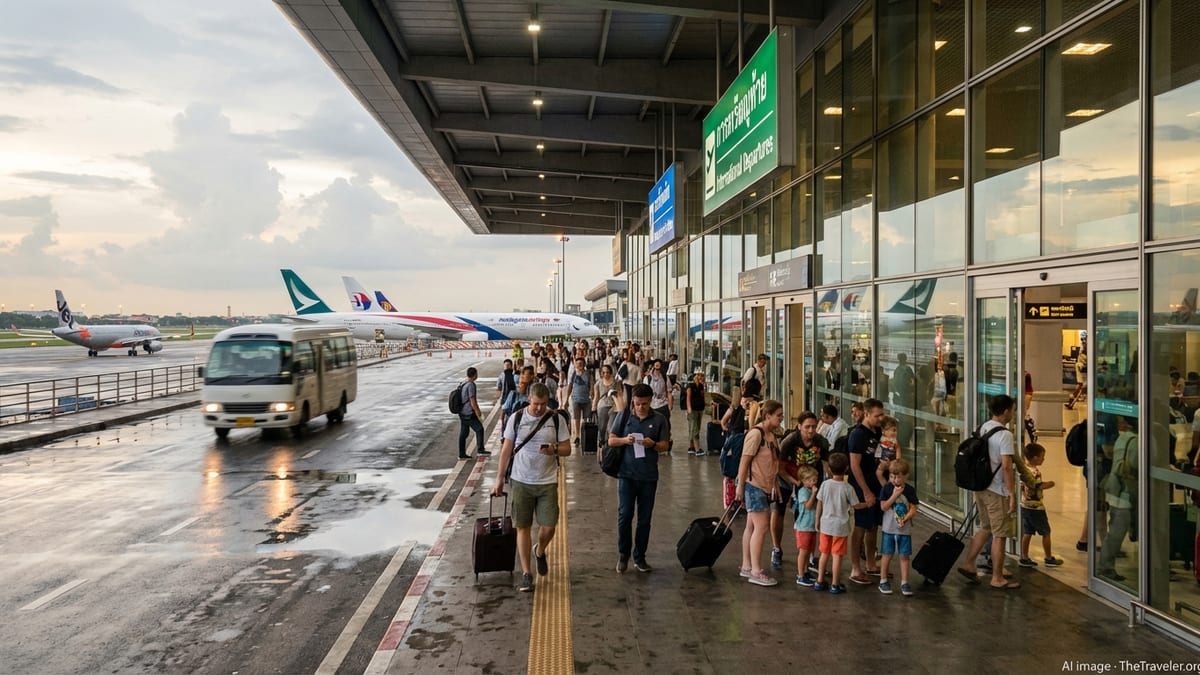
Fresh Disruptions From Bangkok and Phuket
The latest round of schedule changes has resulted in five confirmed cancellations on international services operating from Bangkok’s Suvarnabhumi Airport and Phuket International Airport. While the scale is smaller than mass disruption events seen during severe weather or major technical failures, the targeted routes involved mean the impact is being felt on some of the region’s busiest leisure and business corridors.
At Bangkok, airport operations logs show multiple outbound services scrubbed to destinations including Hong Kong and Kuala Lumpur, with affected flights operated or marketed by Cathay Pacific and Malaysia Airlines alongside another long haul carrier. At Phuket, cancellations have centred on long haul and Australia-focused leisure routes, where Jetstar and other airlines typically carry large volumes of holidaymakers, particularly on weekends and during school breaks.
Although the cancellations are spread over several days rather than concentrated on a single incident, the pattern underlines how even a handful of lost rotations can ripple through already full services, creating missed connections, overnight stays and rebookings for passengers who thought the post pandemic era of rolling cancellations was firmly in the past.
Aviation analysts contacted in the region say the episode illustrates how recovery in Asia Pacific aviation remains fragile, with airlines balancing high demand against tight fleet availability, supply chain delays and the lingering effects of engine maintenance issues and crew shortages.
Cathay Pacific and Malaysia Airlines Trim Key Regional Links
The most visible disruptions at Bangkok have involved flights on the busy corridor to Hong Kong and Kuala Lumpur, jointly served by Cathay Pacific and Malaysia Airlines through a web of direct and codeshare services. Affected departures include a Cathay Pacific Airbus A330 service to Hong Kong and at least one Malaysia Airlines Boeing 737 connection to Kuala Lumpur from Suvarnabhumi.
Data from recent days shows Kuala Lumpur services from Bangkok already operating close to capacity, with on time performance generally strong but occasional cancellations appearing on route histories. Behind the scenes, Malaysia Airlines has been managing a wider programme of capacity adjustments, after its parent Malaysia Aviation Group confirmed last year that it would temporarily reduce parts of its network to address technical and supply chain constraints within its fleet.
For Cathay Pacific, the Bangkok cancellations are occurring against a backdrop of ongoing network rebuilding from its Hong Kong hub. The airline has been ramping up long haul frequencies and regional links, but it continues to operate a slightly smaller and more carefully utilised widebody fleet than before 2020. That leaves less slack when aircraft are pulled for unplanned maintenance or when weather or air traffic issues elsewhere disrupt rotations.
Passenger advocates say the dual involvement of Cathay Pacific and Malaysia Airlines on the Hong Kong and Kuala Lumpur sectors increases the chances of rerouting, but also makes advance planning critical. With many services already close to full, travellers hit by cancellations may find that same day alternatives are limited or involve detours via Singapore or other regional hubs.
Jetstar Cancellations Hit Thailand–Australia Holidaymakers
The other focal point of disruption has been Phuket, where recent airport data and independent disruption trackers show long haul departures to Australia among those cancelled. These include services typically flown by Jetstar, which has long positioned Phuket as a key gateway for budget conscious travellers from Melbourne, Sydney and other Australian cities.
The Phuket to Australia corridor has seen a robust rebound over the past two high seasons, supported by a mix of full service and low cost operators competing on price and schedules. When even a single Jetstar rotation is cancelled, the result can be hundreds of passengers needing rebooking onto already busy flights, placing pressure on both economy and premium economy cabins across multiple carriers.
Industry watchers note that Jetstar’s broader brand has been under scrutiny in the region since its Singapore based affiliate Jetstar Asia announced plans to cease operations in 2025 as it contends with higher costs and intense competition. While that decision does not directly affect Jetstar Airways’ Australia to Thailand services, it has sharpened attention on how the group manages capacity and reliability on popular leisure routes.
In the current Thai disruption, most affected Jetstar customers are being offered rebooking on later flights or alternative routings via other Australian or Southeast Asian gateways. However, those with fixed check in dates for cruises, tours or resort packages risk knock on costs if they have to delay arrivals by more than a day.
What Is Driving the Latest Wave of Cancellations
Airline sources and public statements in recent months point to a familiar cluster of factors behind the latest cancellations, rather than a single underlying crisis. Engines requiring unplanned maintenance, difficulties in sourcing spare parts, and continued shortages of pilots and cabin crew are all cited as influences that can force last minute schedule cuts.
Malaysia Aviation Group has previously acknowledged that it is reducing some services until it can fully resolve supply chain and technical reliability issues across its fleet. Similar pressures have been reported at carriers across Asia Pacific, particularly those operating older narrowbody jets or widebodies with engines subject to enhanced inspection regimes.
For Cathay Pacific, operational resilience has been a core focus as it rebuilds its long haul network while still contending with tight labour markets and the need to restore profitability after several loss making years. The airline has become more conservative about running its fleet at maximum utilisation, which can mean cancelling a lightly booked flight if cascading delays threaten to disrupt a larger set of high yield services later in the day.
Jetstar, as a low cost operator, runs its aircraft on intensive schedules that leave limited room for recovery when irregular operations strike. A weather related delay in one part of its network or a technical check that runs over time can quickly force a decision to cancel an outbound long haul sector, particularly from leisure hubs like Phuket where many passengers are travelling on flexible holiday bookings rather than tight business itineraries.
Impact on Travellers Heading to Hong Kong, Kuala Lumpur and Australia
Travellers booked on affected flights from Bangkok and Phuket are encountering a range of outcomes depending on carrier, fare type and onward connections. Those on point to point itineraries to Hong Kong or Kuala Lumpur are generally seeing options to move to later departures, travel a day earlier or later, or receive refunds or travel credits where permitted by the fare rules.
For passengers connecting onwards from Hong Kong or Kuala Lumpur to long haul destinations in Europe or North America, the situation can be more complex. A missed connection can trigger a full itinerary rebooking, shifting departures by 24 hours or more and potentially forcing travellers to rebook hotels and ground transport at their own expense if they do not fall under specific protection rules.
On routes linking Phuket with Melbourne and Sydney, airlines are prioritising passengers with fixed return dates and those travelling with children, but capacity constraints mean some travellers are being rebooked via alternative Australian cities or routed through Bangkok or Singapore. Travel agents report that families returning from school holidays are particularly anxious about delays that could cause children to miss the start of term.
Airport lounges and customer service desks at both Bangkok and Phuket have seen intermittent crowds as affected passengers queue for assistance. However, digital rebooking tools are absorbing much of the demand, with many travellers able to accept new itineraries via airline apps or email links rather than waiting in line.
Know Your Rights on Cancellations in Thailand and Beyond
The patchwork of compensation and care rules applying to these disruptions can be confusing, as flights into and out of Thailand are governed by a blend of national consumer protection rules, airline specific policies and, in some cases, foreign regulations such as European Union protections when flights originate in Europe.
Consumer advocates stress that when a flight is cancelled, passengers are generally entitled to either a refund of the unused portion of their ticket or rebooking on the next available service. Some airlines also offer travel credits with bonus value, although these are voluntary and often come with expiry dates that travellers should note carefully.
In practice, carriers like Cathay Pacific, Malaysia Airlines and Jetstar typically provide hotel accommodation and meals if a cancellation forces an overnight stay and the disruption is within the airline’s control. However, when cancellations are attributed to extraordinary circumstances such as severe weather or air traffic control issues, the scope of duty of care can be narrower and may not extend to cash compensation.
Experts advise passengers to keep records of all expenses incurred as a result of cancellations, including hotel receipts, meal bills and transport costs to and from the airport. These can support later claims with airlines or travel insurance providers, particularly where policies include specific cover for missed connections and travel delays.
How to Minimise Risk if You Are Flying Soon
With Thailand’s peak travel seasons drawing visitors year round, travellers with upcoming bookings through Bangkok or Phuket are being urged to plan for potential disruptions even if they are not directly affected by the current wave of cancellations. One of the simplest steps is to ensure contact details in airline profiles and bookings are up to date, so that SMS and email alerts about schedule changes are received promptly.
Travel planners also recommend building more slack into itineraries that rely on tight connections. Instead of scheduling a one hour connection in Hong Kong or Kuala Lumpur, travellers might consider two or three hours, especially when connecting to long haul flights that operate only once per day. This can reduce the risk of misconnecting if a short haul sector departs late or is swapped for a later departure.
Where possible, flexible or changeable fares offer additional protection, particularly on long haul segments from Australia or Europe that connect via Thailand. While these tickets cost more upfront, they can reduce stress and unplanned expenses if a cancellation forces a change of dates or routing at short notice.
Finally, comprehensive travel insurance remains an important tool for managing financial risk. Policies that explicitly cover cancellation and delay costs, including additional accommodation and transport, can help travellers recover at least some of the money lost when plans are suddenly upended by airline schedule changes.
Thailand’s Aviation Outlook Remains Strong Despite Setbacks
Despite the frustrations caused by the latest cancellations, aviation officials and tourism boards in Thailand continue to signal confidence in the country’s air travel recovery and long term growth. International arrivals have rebounded strongly over the past two years, with Bangkok and Phuket again ranking among the most visited cities and islands in Asia.
Carriers including Cathay Pacific, Malaysia Airlines and Jetstar still view Thailand as a strategic market, using it as both a destination in its own right and a connecting point in wider Asia Pacific networks. The fact that cancellations are drawing immediate attention reflects how central these routes have become to both business and leisure travel patterns.
Industry observers caution, however, that persistent supply chain and workforce constraints could lead to further pockets of disruption in the months ahead, especially during peak holiday periods when aircraft and crews are stretched thin. Airlines are responding by fine tuning schedules, adjusting frequencies and, in some cases, trimming marginal routes to protect operational resilience on core corridors.
For travellers, the message is to stay informed and flexible. While occasional cancellations from Bangkok and Phuket are likely to continue as airlines navigate a complex operating environment, the vast majority of flights are still departing as planned, ensuring Thailand remains one of the most accessible and attractive gateways in the Asia Pacific region.