

More news on this day
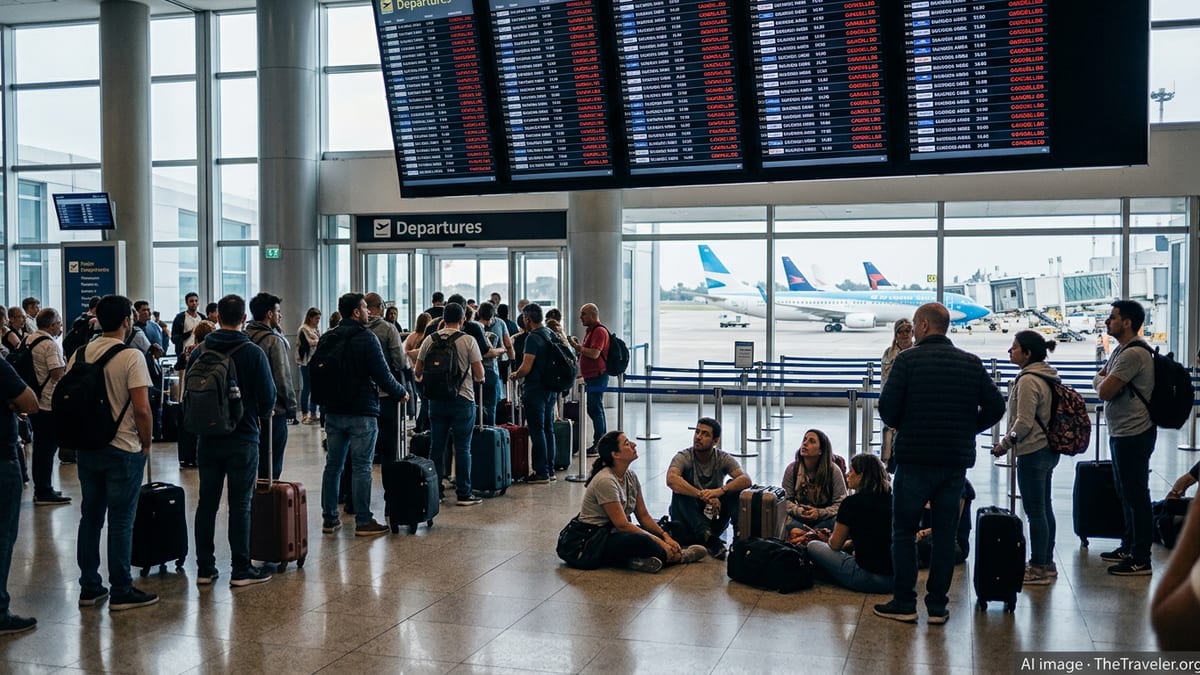
Air travelers across Argentina faced fresh disruption on Friday as more than ten key domestic and regional flights were cancelled on routes linking Buenos Aires, Patagonia and several provincial cities, forcing last minute itinerary changes for passengers bound for Lima, Tucuman, Bariloche, Mendoza, Posadas and Puerto Madryn.
Get the latest news straight to your inbox!
Wide-Ranging Cancellations Hit Domestic and Regional Routes
The latest wave of cancellations affected a mix of domestic services and regional links, according to schedules from major carriers serving Aeroparque Jorge Newbery in Buenos Aires and key airports in Patagonia and the northwest. Services connecting the capital with San Miguel de Tucuman, San Carlos de Bariloche, Mendoza, Posadas and Puerto Madryn were among those pulled from schedules, alongside at least one regional connection involving Lima, disrupting travel plans for both Argentine residents and international visitors.
The affected routes are part of a dense domestic network that usually connects Buenos Aires to more than 30 destinations, from Mendoza’s wine country and Misiones province near Iguazu to the lakes and mountains of Patagonia. With a significant share of that traffic funneled through Aeroparque, even a limited number of cancellations can quickly cascade into missed connections and overcrowded alternative flights.
While airlines did not immediately release a consolidated figure for impacted passengers, industry observers estimated that hundreds of travelers were either stranded or forced to reroute through alternative hubs. Travel agents in Buenos Aires reported a spike in same-day rebooking requests, with some customers accepting overnight delays or circuitous routings in order to salvage onward legs.
The cancellations come during the busy Southern Hemisphere late-summer period, when domestic leisure travel remains strong and international visitors flock to Patagonia and the country’s wine regions. The timing has compounded the frustration for travelers who booked long in advance to secure peak-season flights.
Patagonia Trips Disrupted as Bariloche and Puerto Madryn Lose Links
Patagonia-bound travelers were among the hardest hit, as flights to and from San Carlos de Bariloche and Puerto Madryn were removed from schedules, cutting off two of the region’s most popular gateways for nature and wildlife tourism. Bariloche, a major hub for trekking, lake tourism and alpine-style resorts, relies heavily on frequent links with Buenos Aires and, to a lesser extent, cross-country connections to cities such as Mendoza.
Puerto Madryn, on the Atlantic coast, serves as a starting point for excursions into the Valdés Peninsula and surrounding areas renowned for marine wildlife. When flights into this smaller airport are cancelled, overland alternatives can add many hours of travel across sparsely populated territory, complicating tight itineraries that also include more distant destinations like Ushuaia or El Calafate.
Local tourism operators in Patagonia said they were working to rearrange transfers and excursions for affected guests, in some cases modifying multi-stop circuits that typically run Buenos Aires to Puerto Madryn and onward to the far south. Guides reported last-minute changes to departure times and tour lengths as they tried to accommodate travelers arriving on rescheduled flights or via different airports than originally planned.
For independent travelers, the disruption was even more acute. Many had to juggle separate bookings on domestic legs that are not automatically protected by international tickets, meaning additional out-of-pocket costs and the risk of losing prepaid accommodations or tours.
Knock-On Effects for Tucuman, Mendoza, Posadas and Lima Links
Beyond Patagonia, cancellations also rippled across routes serving San Miguel de Tucuman in the northwest, Mendoza in the Cuyo region and Posadas near the border with Paraguay. These cities are important nodes in Argentina’s domestic air network, with connections feeding business travel, tourism and family visits, as well as onward links to neighboring countries.
Mendoza, the country’s premier wine destination, is especially dependent on reliable air links with Buenos Aires and other major cities. When those flights are cancelled, travelers headed to vineyards and Andean landscapes are often forced to accept lengthy delays or overnight stays in the capital. Local hoteliers reported a modest uptick in last-minute bookings from passengers unable to depart as scheduled.
In the northeast, cancellations affecting Posadas disrupted travel plans for passengers who often rely on air links to reach Buenos Aires quickly from Misiones province. With road and bus journeys from the region to the capital taking well over ten hours, even a single lost flight can significantly lengthen travel times for residents and visitors alike.
Regional connections involving Lima were also affected, complicating itineraries for passengers using Argentina as an entry or exit point for broader South American journeys. For those on multi-country trips combining Argentina, Chile and Peru, the loss of a single sector can upend tightly choreographed schedules built around limited vacation time.
Pressure Mounts on Airlines After Previous Reliability Concerns
The fresh round of cancellations adds to mounting scrutiny over reliability in Argentina’s airline sector. In recent years, some carriers operating from Buenos Aires have been criticized by regulators and consumer advocates for elevated rates of delays and cancellations, particularly on weekends and during peak travel periods.
National aviation officials have previously pressed airlines to improve operational planning and communication with passengers after episodes in which dozens of flights were pulled in short windows, stranding thousands. Those incidents prompted calls for clearer contingency plans and more robust minimum service guarantees during periods of operational stress.
While the causes of the latest cancellations were not immediately detailed, factors can range from crew and aircraft availability to weather and air traffic constraints. Analysts noted that Argentina’s long distances and reliance on a limited number of key hubs mean that disruptions at one or two airports can quickly have outsized effects across the network.
Consumer groups reiterated calls for transparent, timely information to passengers, including clear options for rebooking, refunds and accommodation where required under local regulations. They also urged travelers to build additional buffer time into itineraries that involve tight connections between domestic and international flights.
Advice for Affected Travelers and Those Yet to Depart
For travelers facing cancellations or significant delays, aviation and tourism experts recommended confirming flight status directly with airlines before heading to the airport, even if a booking still appears active in older confirmations. Given the current volatility, same-day checks via official channels and airport information boards were described as essential.
Passengers holding separate tickets for onward travel were advised to contact both carriers and travel insurers as soon as a disruption occurs, documenting all changes and keeping receipts for any additional expenses incurred. While policies vary, some insurers and credit card providers may offer limited compensation for missed connections and extra accommodation costs.
Prospective visitors still in the planning phase were encouraged to prioritize slightly longer connection windows in Buenos Aires and to consider flexibility on travel dates and times. Booking changeable fares on critical domestic legs, particularly those linking Buenos Aires with Patagonia and high-demand regional cities such as Mendoza and Tucuman, can provide additional protection when schedules shift unexpectedly.
Travel agents in Argentina reported that, despite the disruptions, most passengers were eventually able to reach their destinations, albeit with altered timings or routes. They emphasized that Argentina’s vast size and concentration of air traffic through a few major hubs make occasional disruption hard to avoid, but careful planning and real-time monitoring can reduce the impact when cancellations occur.