

More news on this day
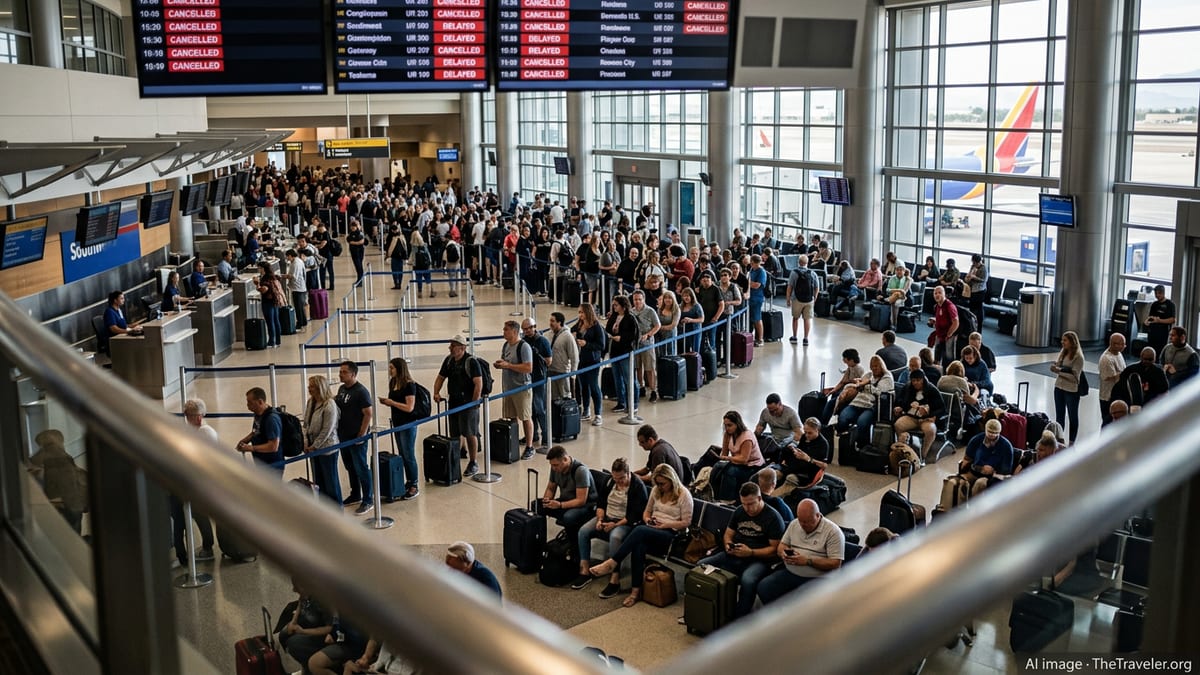
Travelers across the United States are facing another day of airport turmoil as widespread flight cancellations and delays at Phoenix Sky Harbor International Airport trigger knock-on disruptions on routes nationwide, compounding weather troubles and an already strained aviation system.
Get the latest news straight to your inbox!
Weather Turmoil and System Strain Collide
Reports indicate that Phoenix Sky Harbor, one of the nation’s busiest hubs, has become a flashpoint in a broader wave of air travel disruption tied to a powerful storm system sweeping across large parts of the country. The latest North American storm complex has produced heavy snow, high winds and severe thunderstorms from the Rockies through the Midwest and into the eastern United States, prompting airlines to preemptively trim schedules and reroute aircraft.
While Phoenix itself has largely escaped the most dangerous winter conditions, the airport’s role as a major connecting hub means cancellations and delays at weather-hit airports elsewhere are quickly reflected on its departure and arrival boards. Aircraft and crews stranded in storm-affected cities are failing to make scheduled rotations to Arizona, resulting in same-day cancellations, rolling delays and tight connections that many passengers are missing.
Publicly available flight-tracking data shows that airlines have collectively canceled and delayed hundreds of flights across the U.S. over the past 48 hours as the storm system has intensified. With Phoenix acting as a key west–east and north–south connector, disrupted inbound flights have cascaded into scrapped departures to destinations across the country, including the Midwest, Northeast and Southeast.
The turmoil comes at a time when the broader aviation system is already under pressure from lingering staffing challenges and a federal government funding impasse that has heightened scrutiny on security and air traffic control resources. Industry analysts note that when multiple stressors align, hub airports such as Phoenix can quickly experience outsized operational impacts.
Spring Break Crowds Face Long Lines and Missed Connections
The latest disruption could hardly come at a more challenging moment for travelers. March is one of the busiest months for Phoenix Sky Harbor, as spring break traffic surges and visitors flock to the region’s warm weather, golf tournaments and desert resorts. According to recent tourism and airport data, passenger volumes through Phoenix typically climb sharply during this period, filling flights into and out of the city.
On social media and travel forums, passengers have described crowded terminals, long security queues and difficulty rebooking after last-minute cancellations. Some travelers arriving into Phoenix report extended waits for gates and baggage as ground crews work through aircraft that are hours behind their original schedules. Others connecting through the airport say tight layovers have vanished as departure times slide, forcing overnight stays or complete itinerary changes.
Industry data compiled from past storms shows that once daily cancellation totals rise into the hundreds nationwide, the recovery can take several days, even after the worst weather has passed. That pattern appears to be repeating itself, with Phoenix-bound and Phoenix-originating passengers facing residual delays from earlier disruptions in other regions, particularly at major hubs in the Midwest and along the East Coast.
For travelers with time-sensitive plans linked to school holidays, sporting events or cruises, the ripple effects are especially acute. Missed connections in Phoenix can mean losing nonrefundable bookings at final destinations, and same-day alternatives are harder to find during peak-period demand.
Nationwide Network Impact Extends Far Beyond Arizona
The problems at Phoenix Sky Harbor illustrate how tightly interwoven the U.S. air network has become. When weather, staffing or technical issues impact one cluster of cities, aircraft and crews scheduled to pass through those airports often fail to appear at their next stop, affecting a chain of flights hours and even days later.
Data from recent major storms and operational crises underscores how quickly disruption can spread. Even on days when local conditions at Phoenix are calm, disruptions at airports in the Upper Midwest, Great Plains and East Coast can leave the Arizona hub short of aircraft, with airlines forced to cancel or consolidate flights to markets as varied as Southern California, Texas, the Southeast and the Great Lakes region.
According to published coverage of current national conditions, carriers have been trimming schedules, holding aircraft out of certain storm bands and issuing broad travel waivers for multiple regions. Phoenix sits at the intersection of many of those altered routes, so its boards often reflect not just local issues but the cumulative impact of network-wide decisions, including repositioning aircraft and resetting crew schedules.
Furthermore, ongoing infrastructure and staffing constraints within the national air traffic control system mean there is less flexibility to absorb shocks. When weather reduces available runway capacity at multiple airports simultaneously, flow control measures can restrict traffic into hubs such as Phoenix, amplifying the effect of each cancelled or delayed flight.
What Stranded Passengers Can Do Now
For travelers caught up in the current wave of cancellations at Phoenix Sky Harbor, consumer advocates recommend a series of practical steps to limit disruption. Publicly available guidance from airline regulators and industry groups emphasizes the importance of checking flight status frequently through airline apps or text alerts, as gate changes and rolling delays are common during large-scale disruptions.
Same-day rebooking is often most successful through digital channels, where available seats across an airline’s network can be searched quickly. Passengers whose flights have been canceled outright may have options to be rerouted through alternate hubs, to depart from or arrive at secondary airports in the same region, or to shift travel to a different day with change fees waived when a broad waiver is in effect.
Traveler information sites and aviation analysts stress that protections and compensation vary depending on the cause of a cancellation. When weather is the primary driver, airlines are generally not required to provide hotel stays or additional compensation, though some carriers may offer vouchers or discounted rates as a courtesy. When disruptions are linked to factors within an airline’s control, such as crew scheduling or technical issues, passengers may have stronger grounds to request meal vouchers, hotel accommodation or refunds under carrier-specific policies.
Those with travel insurance or premium credit card coverage are encouraged to review policy terms carefully. Some policies offer reimbursement for additional expenses such as lodging, meals and ground transport when flights are canceled or significantly delayed, even when weather is involved, provided documentation is kept and claims are filed within stated time limits.
Planning Ahead for Future Trips Through Phoenix
The latest bout of travel chaos at Phoenix Sky Harbor is prompting many frequent flyers to reconsider how they plan trips through the desert hub, particularly during late winter and early spring, when major storm systems in other parts of the country are common. Travel experts suggest building longer connection times into itineraries that pass through Phoenix during these seasons, especially for those heading to regions vulnerable to snow, ice or severe thunderstorms.
Arriving earlier in the day can also provide a buffer, as the cumulative effect of delays often peaks in the late afternoon and evening. Morning departures from Phoenix are more likely to involve aircraft that overnighted at the airport, reducing exposure to disruptions originating elsewhere. Selecting nonstop routes, where possible, also limits the number of points where a trip can break down.
Publicly available airport and airline data show that Phoenix Sky Harbor has invested in expanded security screening lanes and upgraded terminal facilities in recent years, which can help manage large crowds when operations are smooth. Yet as the current episode demonstrates, even well-run airports are vulnerable when multiple external pressures converge, from severe weather to national system constraints.
For now, travelers scheduled to pass through Phoenix in the coming days are being urged by airlines, travel advisors and airport information channels to monitor conditions closely, allow extra time, and be prepared with backup plans. With spring travel ramping up and the broader aviation system under sustained strain, episodes of disruption at major hubs like Sky Harbor are likely to remain a recurring challenge for U.S. air travelers.