

More news on this day
Air travelers across Europe and the Middle East faced significant disruption on April 5, 2026, as British Airways and Pegasus Airlines cancelled 25 flights and delayed 134 more, stranding passengers from London to Istanbul, Vienna, Dubai and several regional airports.
Get the latest news straight to your inbox!
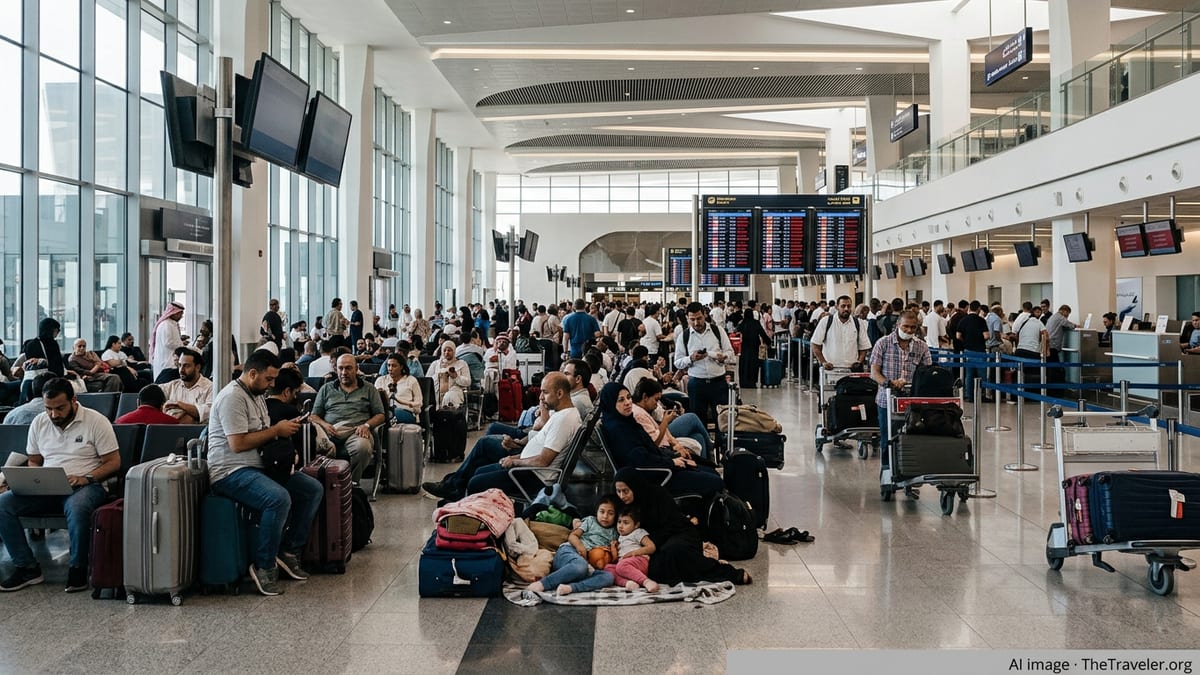
Network Disruption Hits Major Hubs
According to publicly available operational data and industry reporting, the latest wave of disruption has centered on two major carriers: British Airways and Pegasus Airlines. Together, the airlines are linked to 25 cancellations and 134 delayed services in a single operational window, affecting routes between the United Kingdom, Turkey, Austria, the United Arab Emirates and other destinations.
British Airways is reported to have accounted for around 10 cancellations and 30 delayed departures and arrivals, primarily at London Heathrow. Pegasus Airlines, a key low cost carrier in the region, is linked to roughly 15 cancellations and 104 delays, heavily concentrated at Istanbul Sabiha Gökçen and on connecting services into Europe and the Gulf.
The impact has been particularly visible at hub airports that feed regional traffic. Heathrow has seen knock on disruption to transatlantic and European connections, while Sabiha Gökçen has experienced congestion on departures toward Vienna, Dubai and other onward destinations. Vienna International Airport and Dubai International Airport have both reported Pegasus and British Airways services operating outside scheduled times, with some rotations cancelled outright.
Operational feeds and schedule trackers indicate that the mix of cancellations and delays has disrupted both point to point leisure travel and multi leg itineraries, leaving many travelers stranded mid journey or arriving significantly behind schedule.
Heathrow Passengers Face Extended Delays
At London Heathrow, British Airways services have once again been at the center of a difficult operating day, with cancellations on short haul European routes combining with delays on long haul corridors. Published coverage notes that Heathrow has functioned as a primary disruption point, with late arriving aircraft, rotating crews and limited spare capacity amplifying the impact across the airline’s network.
Historic performance data cited in recent analyses shows that Heathrow’s tightly scheduled runway system and frequent air traffic control constraints can quickly translate minor timetable pressure into wider disruption. When even a small number of early services depart late or are removed from the schedule, subsequent rotations can be forced into later slots, sometimes missing connection banks and creating gaps in aircraft positioning.
Travel industry commentators point out that passengers connecting through Heathrow are particularly vulnerable during such episodes. Missed onward flights can lead to lengthy rebooking queues, overnight stays near the airport and the loss of pre booked rail or coach connections onward to regional cities. Social media posts and forum discussions on April 5 referenced travelers re arranging ground transport from European destinations such as Vienna after revised arrival times rendered original tickets unusable.
For travelers holding complex itineraries that rely on tight connection windows at Heathrow, the day’s disruption has served as another reminder of how quickly a timetable can unravel when delays and cancellations coincide.
Sabiha Gökçen and Vienna See Ripple Effects
In Turkey, Istanbul Sabiha Gökçen Airport has again emerged as a focal point for Pegasus delays and cancellations. Real time tracking data for flights such as Pegasus service PC909 from Sabiha Gökçen to Vienna on April 5 shows departures pushed back from planned times, with arrival in Vienna in the early hours of the morning rather than late evening.
This pattern has practical consequences for passengers on multi leg journeys. A late arrival into Vienna can mean missed rail connections to regional hubs, additional accommodation costs and rearranged plans for events or onward flights. Accounts shared in recent months about long waits at Sabiha Gökçen following missed connections illustrate how operational issues on an initial leg can cascade into day long journeys through crowded terminals.
Vienna International Airport, which serves as both a destination and a transfer point for travelers heading deeper into Central and Eastern Europe, has experienced its own knock on challenges. Late night and early morning arrivals compress ground handling and security resources into narrow windows, intensifying queues and leading to further small delays as aircraft are turned around for their next rotations.
Across the Pegasus network, similar schedules connecting Sabiha Gökçen to Gulf and Middle Eastern destinations have been affected, complicating travel plans for passengers heading to and from the UAE and neighboring countries.
UAE Links and Regional Routes Disrupted
In the Gulf region, Dubai International Airport has been identified in industry reporting as one of the key endpoints affected by Pegasus schedule changes. While many flights have still operated, extended delays on Turkey to UAE routes have pushed arrivals later into the night and, in some cases, required rescheduling of onward connections within the region.
For travelers originating in Europe, the route structure involving an intermediate stop in Istanbul means that disruption at Sabiha Gökçen has a direct impact on Dubai bound passengers. Missed onward flights can lead to extended layovers in transit zones and unexpected expenses for food, accommodation and alternative tickets, as highlighted in past traveler complaints regarding lengthy Pegasus delays.
British Airways passengers heading to the Gulf through Heathrow have faced their own challenges. When key feeder flights from European cities into Heathrow are cancelled or significantly delayed, travelers can arrive too late for evening departures to UAE hubs, forcing rebooking on later services or even next day flights. Publicly available timetables for April 5 show a tight cluster of evening long haul departures from Heathrow, leaving little margin for error when earlier sectors run late.
Given the importance of Dubai and other Gulf hubs for both business and leisure traffic, these interruptions create a disproportionate impact, affecting not only origin and destination travelers but also those using the region as a transfer point to Asia and Africa.
What Passengers Can Expect and How to Respond
Passenger rights frameworks in the United Kingdom and across the European Union provide certain protections when flights are cancelled or heavily delayed. Under current UK and EU regulations, travelers on eligible British Airways and Pegasus flights may, in some circumstances, be entitled to meal vouchers, hotel accommodation, alternative transport to their destination or financial compensation, depending on flight distance, length of delay and the cause of the disruption.
Consumer advocacy groups advise that passengers keep boarding passes, booking confirmations and receipts for essential expenses incurred as a result of delays. Travelers are generally encouraged to request written confirmation of the reason for any cancellation or long delay, since eligibility for compensation can hinge on whether the disruption was within the airline’s control or linked to factors such as severe weather or air traffic restrictions.
Airline and airport mobile applications, along with departure boards at Heathrow, Sabiha Gökçen, Vienna and Dubai, have played a central role in keeping passengers updated throughout the day. However, recent episodes described in public forums suggest that notifications are not always timely or consistent across platforms, prompting many frequent travelers to monitor multiple sources simultaneously when disruption is expected.
With British Airways and Pegasus both operating dense schedules through constrained airports, analysts suggest that further pockets of disruption remain possible as carriers work to reposition aircraft and crews. Passengers holding tickets in the coming days are being urged by travel advisers and online guides to check flight status repeatedly in the hours before departure and to allow extra time for connections at busy hubs.