

More news on this day
Thousands of air travelers across China faced hours of uncertainty as Xiamen Airlines, China Southern Airlines, and China United Airlines canceled 40 flights and delayed a further 342 services, triggering widespread disruption at major hubs including Beijing, Wenzhou, and Hangzhou.
Get the latest news straight to your inbox!
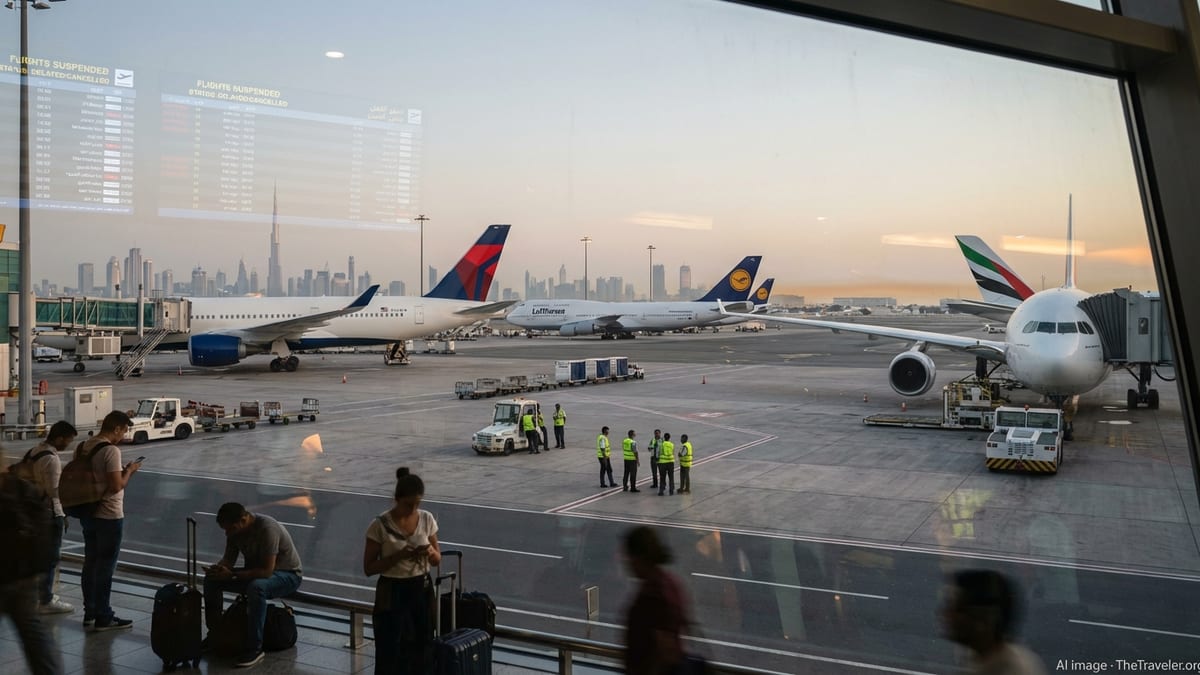
Widespread Disruption Hits Key Chinese Airports
Publicly available operational data for early April indicates a sharp spike in irregular operations across multiple Chinese airports, with Beijing and eastern coastal cities among the hardest hit. Flight-tracking summaries show that services operated by Xiamen Airlines, China Southern Airlines, and China United Airlines were particularly affected, with dozens of cancellations and several hundred delays rippling through domestic networks.
The disruption centered on Beijing’s main gateways alongside airports serving Wenzhou and Hangzhou, but knock-on effects were reported at other regional hubs as aircraft and crews failed to reach onward destinations on time. Passenger itineraries that relied on tight domestic connections, especially those feeding into major north and east China hubs, proved especially vulnerable.
The imbalance between cancellations and delays points to airlines attempting to preserve as much of the schedule as possible while still navigating capacity constraints. While 40 flights were reportedly canceled outright, more than eight times that number departed late, creating a rolling backlog through the day as aircraft rotations and crew duty limits came under strain.
China Southern, XiamenAir and China United Under Pressure
The pattern of disruption reflects the scale and structure of the three carriers’ domestic networks. China Southern Airlines, one of the country’s largest airlines by fleet and seat capacity, operates dense schedules linking Beijing, Hangzhou, and other major cities with its southern strongholds. When delays build at a single hub, they can quickly cascade across multiple spokes as the same aircraft cycle through several airports in a single day.
Xiamen Airlines, which maintains a significant presence in Beijing and runs major branches in Hangzhou and other cities, is similarly exposed to bottlenecks at eastern coastal hubs. Available performance statistics show that the airline handles a high volume of domestic services, so disturbance on just a handful of rotations can ripple outward to affect passengers far from the original point of disruption.
China United Airlines, which uses Beijing Daxing as a key base for its predominantly domestic network, also figured prominently in the day’s disruption reports. With much of its activity concentrated around the Beijing area and nearby cities, irregular operations there can leave limited room to reroute passengers without compounding congestion on parallel services.
The combined impact of these three carriers canceling 40 flights and delaying 342 highlights how interconnected their schedules have become. Even travelers not booked directly with these airlines can feel the effects when shared airport infrastructure, slots, and air traffic flows become saturated.
Beijing, Wenzhou and Hangzhou Become Bottlenecks
Beijing’s dual-airport system has been a recurring focal point for disruption, and the latest episode underscored that vulnerability. Reports of elevated delay counts at both Beijing Capital and Beijing Daxing suggest that ground handling capacity, airspace flow constraints, or a combination of operational pressures contributed to the strain on schedules.
Further south, Wenzhou and Hangzhou experienced significant knock-on congestion. Hangzhou Xiaoshan International Airport, a fast-growing hub in eastern China, has recently recorded high volumes of delayed flights, reflecting its role as both an origin point and a key transfer node. When services into Hangzhou arrive late, connecting departures often cannot be held without triggering further schedule slippage.
Wenzhou, though smaller than Beijing and Hangzhou, forms part of an intensively trafficked coastal corridor. Disruptions there can have an outsized effect on regional traffic, particularly on short-haul flights that link business centers and manufacturing regions. On the day of the disruption, passengers heading to or from these cities faced missed connections, rebooked itineraries, and extended waits in crowded terminals.
Beyond these three airports, publicly available flight-tracking snapshots show delays building at secondary hubs across China, indicating how quickly localized disruptions can translate into a national network issue when aircraft and crews are tightly scheduled.
Operational and Structural Factors Behind the Chaos
While specific causes for each individual delay or cancellation vary, recent analyses of China’s aviation performance point to several recurring structural pressures. Rapidly recovering demand has pushed airlines to use fleets and crews intensively, leaving limited slack to absorb weather disturbances, airspace restrictions, or technical problems.
Industry commentary has repeatedly highlighted congestion in Chinese airspace, particularly around major city clusters such as Beijing and the Yangtze River Delta. When traffic volumes are high, minor timetable deviations can quickly escalate into broader flow-control measures, forcing aircraft into holding patterns or delaying departures from outstations to prevent gridlock.
Policy discussions in recent months have also focused on the need for more flexible slot management and better coordination between airports, airlines, and regulators. Analysts argue that incremental reforms in how takeoff and landing slots are allocated, swapped, and reassigned during disruption could help operators recover more quickly from cascading delays.
At the same time, airlines face commercial pressure to prioritize maintaining as much of their published schedule as possible. This can mean accepting high levels of delay rather than canceling more flights outright, a strategy that keeps aircraft moving but leaves passengers dealing with uncertainty and extended waits.
Passengers Face Long Queues and Limited Options
For travelers caught in the disruption, the operational nuances were less important than the practical realities: long queues at check-in counters and customer service desks, difficulty securing timely information, and limited availability of alternative flights. As cancellations mounted and delayed services filled with rebooked passengers, same-day options on affected routes became increasingly scarce.
Consumer guidance from travel industry outlets increasingly emphasizes preparation for such events, recommending that passengers monitor flight status frequently, use airline apps where available, and build longer connection times into itineraries involving Chinese hubs that have seen repeated congestion. Travel advisors also note that booking earlier departures can sometimes provide more rebooking flexibility later in the day if schedules unravel.
For airlines, the latest wave of disruption is another reminder that operational resilience has become a central factor in traveler confidence. As China’s aviation sector continues to scale up post-pandemic, the ability of carriers and airports to manage days with heavy delays and targeted cancellations will play a significant role in how both domestic and international passengers perceive the reliability of flying across the country.