

More news on this day
Thousands of air travelers across Europe are facing daylong queues, missed connections and unexpected overnight stays after a fresh wave of disruption led to 1,475 delayed flights and 172 cancellations across Spain, England, Italy, Norway, Denmark, Sweden and the Netherlands.
Get the latest news straight to your inbox!
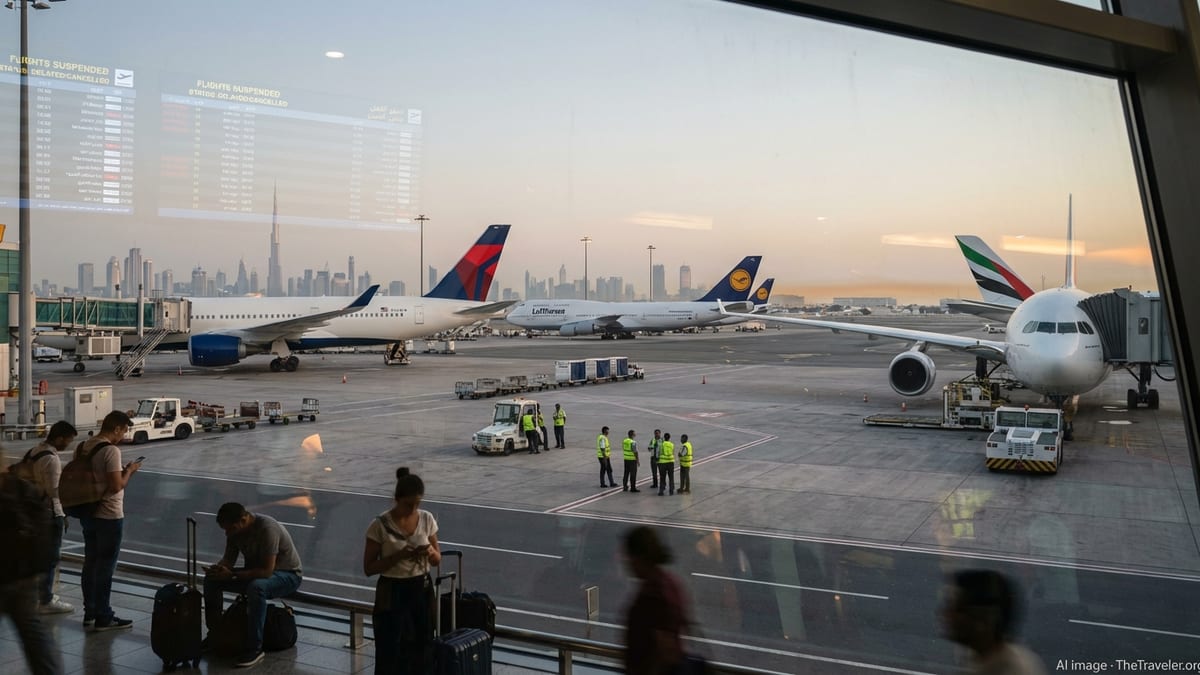
Hubs From London To Rome Buckle Under Strain
The latest disruption has rippled across some of Europe’s busiest hubs, with services at airports in London, Madrid, Rome and Amsterdam among the most heavily affected. Operational data compiled from airport boards and flight-tracking services indicates that traffic between southern holiday gateways and northern capitals has been particularly exposed, with long delays on routes linking Spain and Italy to the United Kingdom and Scandinavia.
In London, delays have mounted at both Heathrow and Gatwick as aircraft and crews fall out of position, complicating turnaround times and forcing some same-day rotations to be trimmed. Rome Fiumicino and Madrid Barajas, which handle large flows of leisure traffic to Mediterranean destinations as well as core business routes, have reported clusters of late departures that knock on through the rest of the day’s schedule.
Amsterdam Schiphol has also seen schedules come under pressure, with aircraft arriving late from southern Europe and Scandinavia and then departing behind schedule on onward legs. The result is a pattern of rolling disruption, where an initial wave of delayed services forces airports and airlines to make tactical decisions about which flights to prioritize and which to combine or cancel.
Regional airports across Norway, Denmark and Sweden, including gateways that feed into larger European hubs, have reported smaller but still significant pockets of disruption. Even where cancellations have remained limited, delays of more than an hour have added to congestion at border control and baggage reclaim, leaving many passengers stranded for much longer than planned.
Major European Airlines Face Another Stress Test
The impact has fallen unevenly across carriers, but publicly available data shows that ITA Airways, Vueling, KLM, Scandinavian Airlines and Ryanair are among those seeing a notable share of the delays and cancellations. Together, these airlines operate dense intra-European networks that connect exactly the cities currently experiencing the heaviest disruption.
Reports indicate that Scandinavian Airlines has recorded one of the highest numbers of cancellations in this latest episode, particularly on services touching Oslo, Copenhagen and other Nordic hubs, while also absorbing a high volume of delays. The combination of cancellations and late departures has left many travelers in Scandinavia facing rebookings through alternative hubs or forced overnight stays.
Vueling, based in Spain, has seen dozens of flights depart late from Barcelona and Madrid, affecting popular leisure routes to Italy, the Netherlands and the United Kingdom. Low cost schedules that rely on quick turnarounds are particularly sensitive when early morning flights run late, as it leaves little slack in the system to recover on subsequent sectors.
KLM and its regional partners have battled growing backlogs at Amsterdam as late arrivals compromise the complex web of connecting flights that underpin the Dutch flag carrier’s strategy. Ryanair, which spreads its operations across multiple bases, has reported widespread delays at airports including London Stansted and Barcelona, with relatively few cancellations but extensive knock-on effects for passengers relying on tight connections or same day returns.
Passengers Confront Long Queues, Missed Connections And Limited Options
For travelers on the ground, the numbers translate into long queues at check in, security and customer service counters as passengers seek rerouting, meal vouchers or hotel accommodation. Social media posts and local media coverage describe crowded departure halls in several major airports, with many passengers choosing to sleep in terminals when rebooking options prove limited.
Travelers with onward connections across Europe and beyond have been particularly exposed. Missed links from Rome and Madrid to long haul flights, as well as disrupted transfers through London and Amsterdam, have left some passengers separated from luggage or facing complex re-routing across multiple airlines. Families returning from school holidays and business travelers working to fixed schedules report scrambling to find available seats later in the week.
While total cancellations remain below the most severe episodes seen in recent years, the scale of the 1,475 delayed flights is proving especially disruptive. Delays of more than two or three hours can trigger a cascade of additional costs for travelers, ranging from lost hotel nights and event tickets to rearranged ground transportation, particularly in countries where rail alternatives are heavily booked.
Publicly available information on passenger protections under European rules indicates that travelers departing from or arriving in the affected countries on eligible carriers may be entitled to care, rerouting or compensation when delays and cancellations are not caused by extraordinary circumstances. However, enforcement often requires passengers to document the disruption carefully and pursue claims after returning home, adding another layer of stress to already difficult journeys.
Fresh Disruption Highlights Persistent Fragility In European Aviation
Analysts following the sector point out that the latest figures on delays and cancellations fit into a broader pattern of recurring turbulence for European aviation. Over the past several seasons, the region’s air traffic system has grappled with storms, industrial action, air traffic control bottlenecks and high profile IT incidents that have repeatedly pushed operations beyond planned resilience levels.
Data from recent winter and early spring events shows that when bad weather, staffing shortages or technical issues hit several hubs at once, the impact on punctuality can be severe. Episodes such as severe windstorms in northern Europe and previous air traffic control disruptions in the United Kingdom and France have already underscored how quickly delays can accumulate when critical nodes such as London, Amsterdam or major Spanish airports are affected simultaneously.
Industry briefings and performance reports suggest that airlines have worked to rebuild schedules and add capacity as demand rebounds, but investments in infrastructure, technology and staffing have struggled to keep pace with rising passenger numbers. This has left carriers and airports operating close to capacity during peak periods, with limited flexibility available when events like the current disruption strike.
The latest round of delays across Spain, England, Italy, Norway, Denmark, Sweden and the Netherlands reinforces concerns that European travelers may face another year of unpredictable journeys, particularly during peak holiday and business travel windows. For now, operational data indicates that recovery efforts are ongoing, with airlines trimming schedules, consolidating flights and repositioning aircraft to restore some stability to the network in the days ahead.
What Travelers Can Expect In The Coming Days
With aircraft and crews still out of normal rotation, observers expect some level of knock on disruption to persist even as the immediate wave of delays and cancellations begins to ease. Flights early in the operational day will be critical in determining how quickly airlines can restore punctuality, since on time departures in the morning give carriers more options to absorb later irregularities.
Travel advisories issued through airline channels urge passengers to monitor their flight status closely before heading to the airport and to leave additional time for check in and security. Travelers connecting through hubs such as London, Amsterdam, Rome and Madrid are being encouraged to allow longer minimum connection times, particularly where immigration checks are involved or where separate tickets are used.
Consumer advocates continue to recommend that passengers keep records of boarding passes, delay notifications and any additional expenses incurred, which may be relevant when seeking reimbursement or compensation under applicable regulations. For those with flexible plans, some travel experts suggest considering rebooking to off peak travel times or alternative airports in the same region, which may recover more quickly than the largest hubs.
As airlines and airports work through the backlog, attention is likely to return to the broader question of how European aviation can build greater resilience into its networks. The latest episode, with 1,475 delayed flights and 172 cancellations across seven countries, again highlights the challenge of balancing intense demand with operational reliability in one of the world’s busiest air travel regions.