

More news on this day
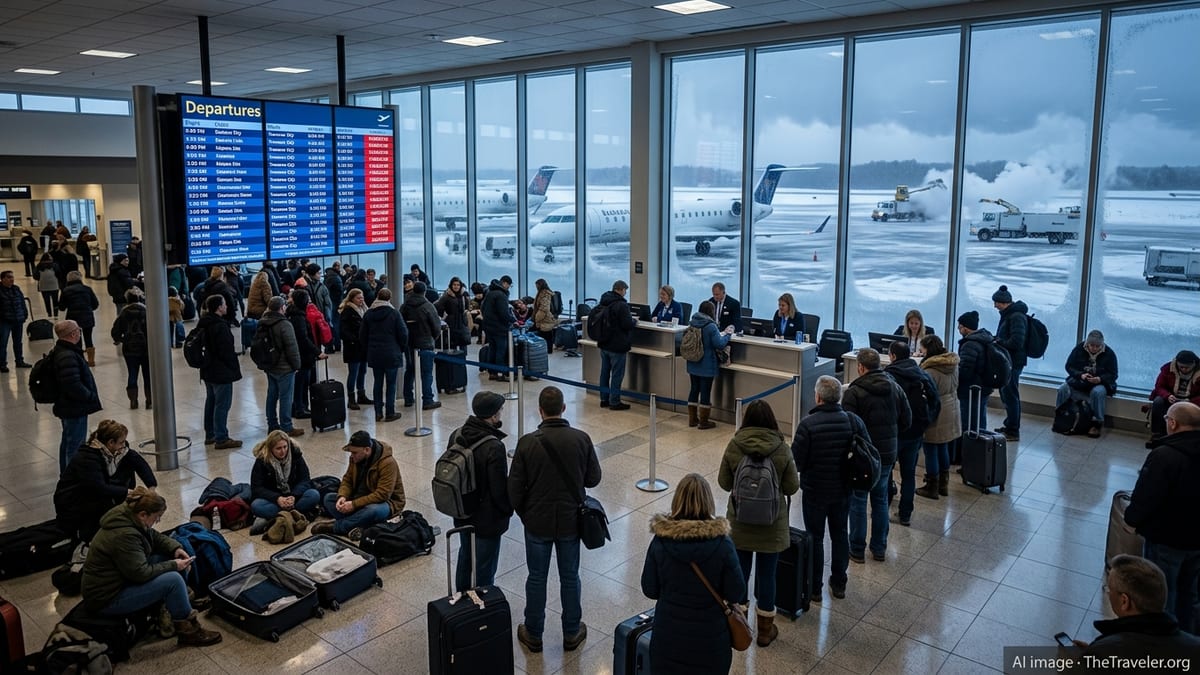
Sudden waves of flight cancellations and cascading delays at Traverse City’s Cherry Capital Airport are disrupting travel across northern Michigan, stranding visitors, compressing already short vacation windows, and raising new questions about how resilient the state’s tourism economy really is when air service falters.
Get the latest news straight to your inbox!
A Small Airport With Outsized Importance
Cherry Capital Airport in Traverse City may be a midsize regional facility, but publicly available data and tourism reports describe it as a crucial gateway for northern Michigan. The airport connects leisure travelers and second-home owners to beach towns along Grand Traverse Bay, wine country on the Leelanau and Old Mission peninsulas, and marquee events such as the National Cherry Festival each summer.
Traverse City Tourism materials highlight that Cherry Capital offers around 20 nonstop routes on a mix of major and leisure carriers, linking the region to Chicago, Detroit, New York-area airports and several warm-weather hubs. Industry coverage notes that passenger counts have repeatedly set records in recent years, with 2024 traffic approaching 800,000 travelers and helping justify a planned terminal expansion and airfield upgrades scheduled to ramp up in 2026.
Economic development publications from groups such as Traverse Connect characterize the airport as a primary driver of regional growth, tying its connectivity to higher visitor spending, real estate demand and the influx of remote workers who now treat the Grand Traverse region as a year-round base. When that connectivity is interrupted, the effects ripple quickly beyond the terminal.
Because northern Michigan’s peak tourism season is tightly concentrated around summer, fall color and key festival periods, the reliability of flights into and out of Cherry Capital has become a core concern for hotels, short-term rentals, tour operators and small businesses that depend on a few high-earning months to carry them through the quieter winter.
Weather, System Strain and a New Wave of Disruptions
In mid-March 2026, a powerful storm system tracking across the central United States and into the Great Lakes brought a mix of heavy snow, freezing rain and strong winds to parts of Michigan. National weather summaries describe the event as a sprawling extratropical cyclone that generated blizzard conditions in the Upper Midwest and an ice storm threat over northern portions of the state, complicating ground operations and air traffic.
Flight boards at Cherry Capital reflected the strain, with regional media and aviation tracking sites showing clusters of cancellations and extended delays on routes to major hubs. While the airport has invested in improved snow-removal equipment and deicing technology in recent seasons, the combination of fast-changing conditions, crew scheduling constraints and congestion at larger connecting airports led several flights serving Traverse City to be scrubbed or diverted.
The recent chaos follows broader national pressures on the regional air network. Industry analyses and filings to federal regulators describe how, since the pandemic, pilot shortages and the restructuring of regional airlines have led carriers to thin out service at smaller airports, or rely more heavily on tight, hub-focused schedules that are vulnerable to disruption. When storms or air traffic control slowdowns hit those hubs, spokes like Traverse City often see their flights canceled first.
For travelers heading to northern Michigan for a ski weekend, a winery getaway or early spring events, those schedule shocks can turn into lost nights, missed reservations and unexpected expenses. For many, there are limited alternatives; driving from major Midwestern cities can require five to eight hours or more, and winter road conditions can be variable when storms track over Lake Michigan.
Tourism Businesses Feel the Pinch
Tourism indicators compiled by local organizations show how closely air access is tied to spending patterns in and around Traverse City. A recent report cited in regional coverage found that visitors traveling more than 500 miles to reach Cherry Capital tend to stay longer and spend more per trip than those driving in from nearby states. When long-haul flights are canceled, those high-value visits can evaporate altogether.
Owners of hotels, resorts and short-term rentals across Grand Traverse and neighboring counties track flight schedules closely during peak seasons. Publicly available commentary and travel forums increasingly describe guests arriving late at night after rebooking through different hubs, or scrapping trips when a key leg into Traverse City disappears. Last-minute cancellations can leave rooms empty that might otherwise have been resold weeks earlier.
Restaurant and tour operators report similar patterns in publicly shared updates, noting that large parties sometimes fail to materialize after flight disruptions, particularly around festival weekends and holiday periods. With staffing, inventory and seasonal leases planned months in advance on the assumption that planes will deliver a steady stream of visitors, sudden drops in arrivals can compress margins that are already thin outside July, August and fall color peaks.
Even modest reductions in flights or a few days of severe disruption can have noticeable effects. Analyses of small-airport air service trends across the United States point to a broader pattern: when travelers perceive an airport as unreliable, they may choose larger hubs or different destinations entirely the next time they book, shifting demand away from regions that rely heavily on tourism.
Travelers Face Longer Journeys and Tighter Contingency Plans
For visitors who still choose to fly into Cherry Capital, recent disruptions underscore the need for careful planning. Travel advisories from airlines and consumer advocacy outlets consistently recommend booking the earliest flight of the day where possible, allowing extra connection time at major hubs, and avoiding tight same-day transfers to time-sensitive experiences such as weddings, tours or festival performances.
Given northern Michigan’s geography, many travelers treat Traverse City as part of a longer loop that might include Mackinac Island, Sleeping Bear Dunes or the Upper Peninsula. When an inbound flight is canceled, the entire itinerary can compress into fewer days, forcing visitors to cut stops or forgo local experiences, from winery tastings to guided outdoor excursions. That not only diminishes the trip for travelers but also trims potential revenue for small operators along the route.
Public transportation within the region remains limited, and while rideshare services and rental cars are available at Cherry Capital, weather-related disruptions and tight vehicle inventories can complicate same-day pivots. Travelers who are forced to divert to larger Michigan airports such as Detroit or Grand Rapids often face multi-hour winter drives on unfamiliar roads if they still hope to reach the Traverse City area on schedule.
Consumer travel guides increasingly suggest that visitors build in flexible booking options, choose refundable fares when budgets allow, and communicate early with accommodations in case flight issues arise. For tourism-dependent communities, the reliability of the airport remains central to maintaining visitor confidence that these extra precautions will be enough.
What Comes Next for Cherry Capital and Northern Michigan Tourism
Despite the recent turbulence, local and state-level planning documents portray Cherry Capital as an airport on a growth trajectory. A terminal expansion and related infrastructure projects scheduled over the next few years are framed as responses to record passenger numbers and the expectation of continued demand for northern Michigan getaways. Economic impact studies cited by regional news coverage anticipate new jobs and additional air service options as upgrades come online.
At the same time, policy discussions in Michigan emphasize that smaller and midsize airports remain vulnerable to national trends. Briefing materials prepared for the state’s aeronautics commission highlight ongoing efforts to support air service in key markets, while industry groups continue to warn that regional pilot availability and airline fleet decisions will shape which communities keep robust schedules and which see more sporadic service.
For now, tourism stakeholders across northern Michigan are watching how airlines adjust their spring and summer schedules into Cherry Capital following the March storm disruptions, and whether supplemental routes or larger aircraft appear to absorb pent-up demand. The airport’s performance during the upcoming National Cherry Festival and peak lake season will likely serve as an informal stress test of both its operations and the broader air travel system on which the region depends.
For travelers planning a trip, the message emerging from recent events and industry analyses is clear: Cherry Capital remains a vital and usually reliable doorway to some of Michigan’s most popular destinations, but in an era of volatile weather and a still-evolving regional airline landscape, building in extra time, flexibility and contingency plans is becoming an essential part of experiencing northern Michigan by air.