

More news on this day
Travelers across Scandinavia and beyond faced widespread disruption as Copenhagen Airport canceled 13 flights and delayed 63 more, stranding passengers on routes linking Denmark with Rome, Malaga, Zurich, Frankfurt, Keflavik and other key destinations.
Get the latest news straight to your inbox!
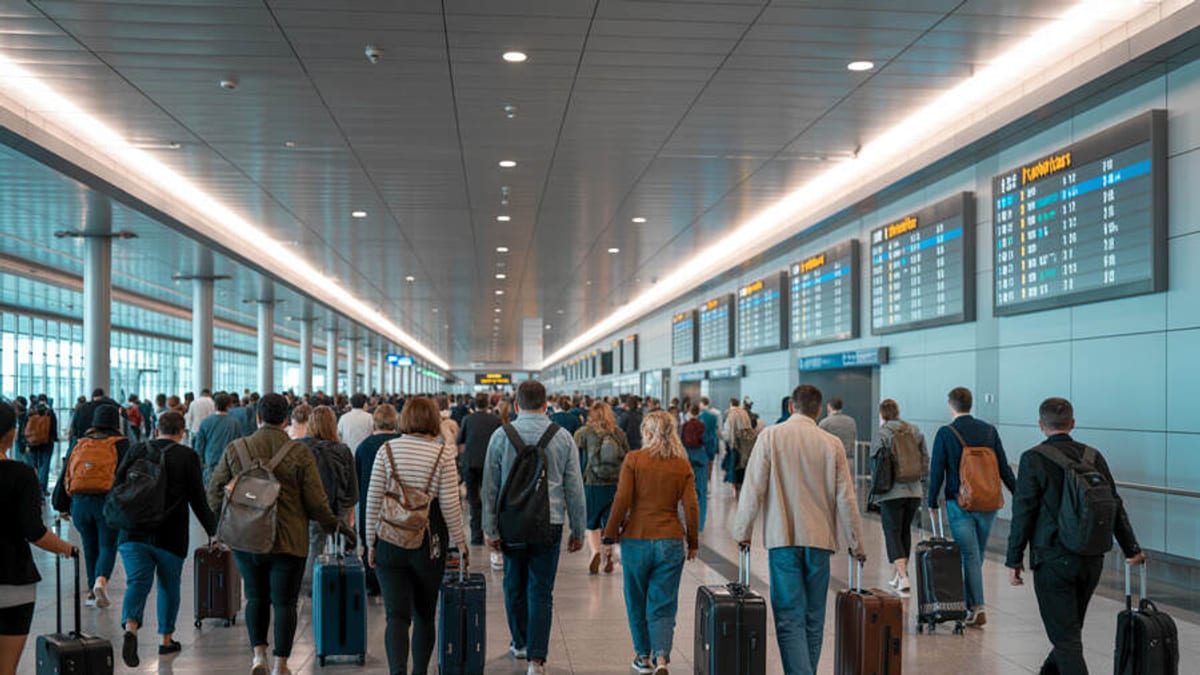
Image by Travel And Tour World
Major Carriers Hit Across Key European Routes
Publicly available operational data and traveler reports indicate that the disruption at Copenhagen Airport has affected a cross section of European and transatlantic traffic. Services involving SAS, Air France, Air Baltic, Lufthansa, Icelandair and several partner carriers have seen cancellations and extended delays on routes connecting Denmark to major hubs including Rome, Malaga, Zurich, Frankfurt and Keflavik.
The pattern of disruption suggests that both point to point travelers and those connecting onward to long haul flights have been caught up in the knock on effects. Routes linking Copenhagen with southern European leisure destinations such as Malaga and Rome, as well as important transfer points like Frankfurt and Zurich, play a central role in distributing passengers across wider airline networks.
Flights to and from Keflavik in Iceland have also been affected, creating particular difficulty for travelers using Iceland as a stepping stone between Europe and North America. According to recent coverage of airline performance and passenger experiences, Icelandair and partner carriers have been navigating a tight schedule in and out of Copenhagen and delays at the Danish hub can quickly cascade across the day’s rotations.
Airlines often rely on shared passengers and code share arrangements on these routes, meaning that a single cancellation at Copenhagen can impact customers booked with multiple brands on the same itinerary. This has heightened the sense of uncertainty for travelers attempting to rebook or reroute at short notice.
Knock On Effects for Stranded Passengers
The combination of 13 outright cancellations and more than 60 delays at Copenhagen has left many passengers coping with missed connections, overnight stays and rapidly changing itineraries. Recent accounts posted by travelers on public forums describing similar operational problems at the airport highlight how quickly an isolated cancellation can spiral into a wider disruption when seats on alternative departures are limited.
With major carriers like SAS and Lufthansa using Copenhagen as a regional hub, passengers whose flights to Rome, Malaga or Zurich were canceled are often dependent on tight onward connections. When an originating leg from Denmark does not depart, travelers can lose entire itineraries and must seek rebooking options, sometimes on partner airlines such as Air France or Air Baltic where space permits.
Reports from previous disruption events at Copenhagen show that some passengers are rebooked via other European hubs, such as Amsterdam or Paris, or shifted to later departures via Frankfurt or Zurich when available. Others may face significantly longer journeys involving overnight connections that transform what should have been a same day trip into a two day travel ordeal.
For those heading to or from Keflavik, the impact can be even more pronounced, as flight banks in Iceland are tightly coordinated around transatlantic departures and arrivals. A delayed or canceled Copenhagen leg can easily break that connection window, leaving passengers to wait for the next viable departure across the Atlantic or back into mainland Europe.
Operational Strain and Airport Capacity Pressures
Recent public data on punctuality at Copenhagen Airport and commentary from aviation observers point to ongoing operational pressures at one of northern Europe’s busiest hubs. In past months, analyses of airline on time performance at Copenhagen have highlighted how modest disruptions in air traffic control staffing, ground handling or security processing can lead to sizable ripple effects throughout the schedule.
Several airlines serving Copenhagen, including SAS, Air France, Air Baltic, Lufthansa and Icelandair, operate multiple daily rotations using tightly planned aircraft and crew schedules. When one rotation is significantly delayed, it can force subsequent flights to depart late or be canceled altogether, particularly if duty time limits prevent crews from operating longer shifts.
Capacity constraints on popular routes to cities such as Frankfurt and Zurich further limit the options for recovery once delays start to accumulate. Seats on alternative services may already be heavily booked, especially during peak travel periods or holiday seasons, which reduces the ability of airlines to accommodate disrupted passengers on the same day.
Observers also note that as European air traffic has rebounded in the last two years, many airports have faced challenges scaling staffing and ground operations to match rising demand. Copenhagen has not been immune to these issues, and the latest wave of cancellations and delays underscores how sensitive the network remains to localized operational strain.
What Travelers Can Expect Under EU Rules
Disruptions of this scale at a European hub like Copenhagen raise recurring questions over what assistance and compensation passengers can expect. Under EU air passenger rights regulations, travelers on affected flights departing from Copenhagen, or operated by EU and EEA carriers, may have entitlements to care, rebooking and in some circumstances financial compensation, depending on the cause and length of the delay or cancellation.
Public guidance on the regulations explains that airlines are generally required to offer rebooking at the earliest opportunity or a refund when a flight is canceled. For significant delays, carriers normally must provide meals, refreshments and, if necessary, hotel accommodation and transfers when passengers are forced to wait overnight.
Financial compensation is more limited and usually depends on factors such as the distance of the flight and whether the disruption is attributed to circumstances within the airline’s control. If cancellations or long delays are linked to issues such as air traffic restrictions, severe weather or certain airport infrastructure problems, carriers frequently argue that these events fall outside their responsibility, although each case is assessed individually.
Travelers stranded by the latest disruption at Copenhagen are being encouraged by consumer advocates to retain boarding passes, receipts for any additional expenses and records of communications with airlines, as such documentation can be important when submitting formal claims under EU rules.
Future Outlook for Copenhagen Travelers
While the present round of cancellations and delays at Copenhagen Airport has caused considerable inconvenience, recent operational history suggests that airlines and the airport operator typically stabilize schedules over the following days once immediate bottlenecks are addressed. However, analysts point out that persistent staffing and capacity challenges across the European aviation sector mean that travelers should continue to plan for potential irregularities.
For passengers with upcoming trips through Copenhagen, especially those connecting onward to Rome, Malaga, Zurich, Frankfurt or Keflavik, travel specialists recommend allowing longer connection times and monitoring flight status closely in the 24 hours before departure. Selecting earlier departures in the day where possible may also improve the chances of finding same day alternatives if disruptions occur.
Industry observers note that airlines serving Copenhagen have increasingly relied on digital tools such as mobile notifications and self service rebooking platforms to manage irregular operations. Travelers who download carrier apps and keep contact details updated may have better access to early information on cancellations and available alternatives than those relying solely on airport departure boards.
As airlines like SAS, Air France, Air Baltic, Lufthansa and Icelandair continue to adjust their schedules and rebuild resilience into their operations, passengers transiting through Copenhagen are likely to see ongoing fine tuning of frequencies and departure times. The latest wave of cancellations and delays serves as a reminder that even in a largely recovered travel market, Europe’s air network remains vulnerable to localized shocks that can strand travelers far from their intended destination.