

More news on this day
Memphis International Airport is grappling with widespread disruption after a cascading operational breakdown led to numerous flight cancellations, extensive delays, and crowded terminals, raising urgent questions for travelers with itineraries routed through one of the country’s key passenger and cargo hubs.
Get the latest news straight to your inbox!
What Happened at Memphis International Airport
According to published flight tracking data and local media coverage, Memphis International Airport experienced a sharp spike in cancellations and delays as a mix of operational constraints and disruptive weather patterns converged on an already stretched aviation system. Dozens of departures and arrivals were scrubbed in rapid succession, creating a backlog that rippled across airline networks and left passengers facing long lines and limited rebooking options.
Reports indicate that the disruption was not confined to a single airline or route, but instead hit multiple carriers and connections, including key links to major hubs in the Southeast and Midwest. As aircraft and crews went out of position, airlines began consolidating schedules, canceling lightly booked flights, and prioritizing routes with the greatest operational or commercial importance.
Publicly available information suggests that the situation at Memphis was exacerbated by broader weather-related and infrastructure challenges across the national air system in recent weeks, including winter storms, strong winds, and intermittent power and systems issues at several airports. Against that backdrop, the Memphis disruption has emerged as a flashpoint, highlighting how quickly a regional problem can escalate into a national travel headache.
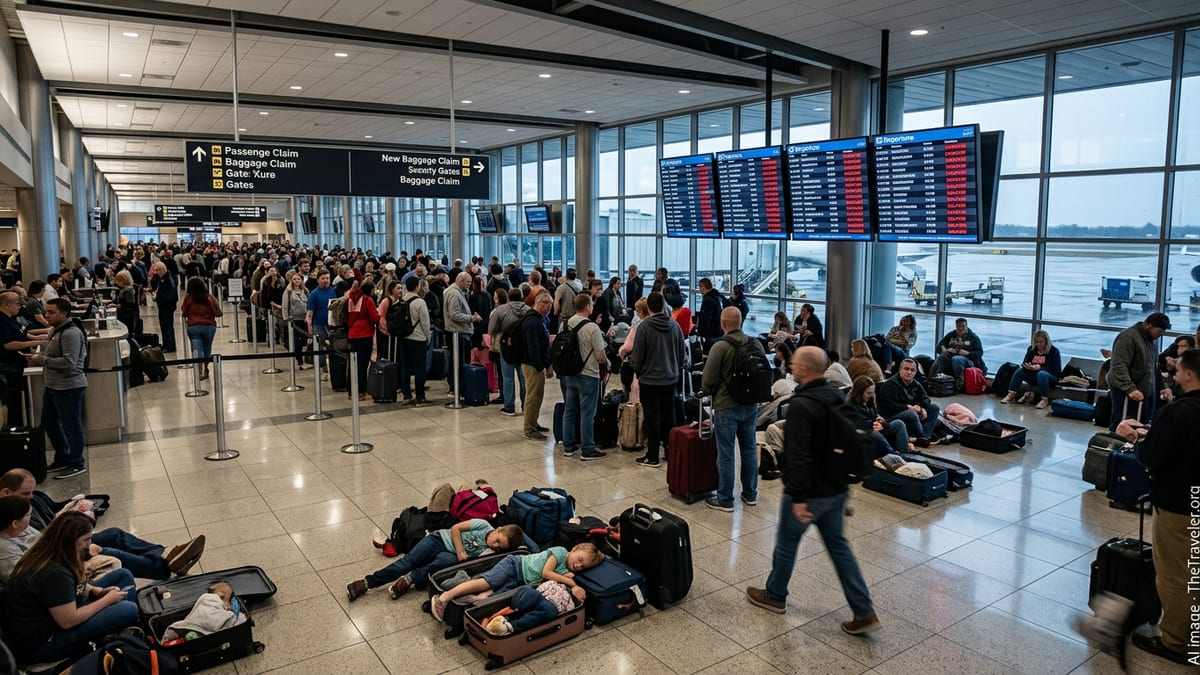
For travelers, the most visible signs of trouble have been crowded concourses, stretched security checkpoints, and departure boards filled with red cancellation notices. As the irregular operations continue to unwind, many passengers have been forced into last-minute overnight stays, unexpected road trips, or complex reroutings to salvage their plans.
Why Memphis Matters for Both Passengers and Cargo
Memphis International Airport holds an outsized role in the national transportation network. Beyond serving as a regional passenger gateway for the Mid-South, it is also one of the world’s most important cargo hubs, with major express freight operations that rely on tightly choreographed overnight flight banks. When those operations are disrupted, the effects are felt not only by passengers in the terminal but also by businesses and consumers awaiting time-sensitive shipments.
Published aviation analyses show that even short-lived interruptions at Memphis can trigger delays in package deliveries, medical shipments, and critical spare parts that depend on overnight air freight. When passenger operations are simultaneously constrained, the airport’s ability to absorb schedule shocks decreases, and recovery can take longer as airlines juggle both people and packages in a limited operating window.
The recent turmoil at Memphis unfolds against a wider backdrop of stress in the U.S. air travel system. In the past year, large winter storms and infrastructure incidents at other major airports have already produced record-setting days for cancellations nationally. Industry reporting points to aging facilities, staffing shortages, and tightly packed schedules as factors that leave airlines and airports with little margin when weather or technical issues strike.
Memphis’s dual identity as a cargo powerhouse and a growing passenger gateway means that disruptions here reverberate far beyond Tennessee. Travelers booked on routes that only briefly touch Memphis are discovering that a missed connection or canceled leg can affect itineraries spanning multiple time zones and continents.
How the Disruption Could Affect Your Upcoming Travel
For anyone with an upcoming trip involving Memphis, the latest wave of cancellations raises practical concerns about whether to rebook, reroute, or simply wait and watch. Airline schedules are being adjusted in response to aircraft and crew availability, and publicly visible timetables do not always update in real time when disruptions are cascading through the system.
Travel planning data and recent operational patterns suggest that residual delays can persist for several days after a major disruption, even if the most acute phase passes quickly. Flights early in the morning often recover first, while afternoon and evening services can remain more vulnerable as the day’s minor issues accumulate. Travelers with tight connections through Memphis or onward links to weather-prone regions may face a higher risk of missed flights or rebookings.
Those with nonrefundable tickets are not necessarily without options. When airlines make significant schedule changes or cancel flights, they frequently offer waivers that allow customers to modify itineraries without additional change fees, subject to certain dates and routing rules. These policies are published on carrier websites and can change as the situation evolves, so checking them before making independent changes is crucial.
Passengers connecting through Memphis on international trips should pay particular attention to minimum connection times and immigration or customs requirements at their final destination. A delay on one leg that appears minor on paper can still lead to missed long-haul departures, limited rebooking seats, or overnight layovers that require new documentation or travel approvals.
Practical Steps for Travelers Routed Through Memphis
Travel experts and consumer advocates generally recommend a proactive approach when disruptions of this scale appear on the horizon. Monitoring flight status through airline apps and airport information boards, rather than relying only on third-party booking sites, can provide a more accurate picture of real-time changes and gate assignments.
Publicly available guidance from airlines and airports emphasizes the importance of updating contact details so carriers can send alerts about cancellations and rebookings. Travelers who receive notice of a schedule change before leaving home usually have more options, from switching to an earlier departure to rerouting through an alternative hub that is less affected by weather or operational snarls.
For those already en route, flexibility becomes even more valuable. Accepting a slightly longer or less direct routing that avoids Memphis in the short term may increase the chances of reaching a destination close to the original schedule. In some cases, it can be more efficient to fly into a nearby city and complete the final leg by train or car, particularly when regional weather or infrastructure problems show signs of lingering.
At the same time, travelers should be prepared for longer lines at customer service counters and limited availability of hotel rooms near Memphis and other impacted hubs. Keeping essential items, medications, and a change of clothes in carry-on luggage remains a key resilience strategy when checked bags may arrive later than passengers.
What to Watch in the Days Ahead
In the wake of the disruption at Memphis, attention is turning to how quickly the system can reset and what it reveals about broader vulnerabilities in U.S. air travel. Aviation observers are watching patterns in cancellation rates, on-time performance, and overnight aircraft positioning to gauge how long knock-on effects will persist across the network.
Industry reporting in recent months has highlighted several recurring pressure points, including weather volatility, regional staffing gaps, and the complexity of integrating cargo and passenger operations at shared facilities. Memphis, with its critical role in express freight and its growing passenger volumes, sits at the crossroads of many of these challenges.
Travelers planning spring and summer trips that involve Memphis may want to track how airlines adjust their schedules in response to the latest events, including whether carriers add spare aircraft capacity, retime key departures, or temporarily reduce frequencies on lower-demand routes. Such changes can either reduce vulnerability to future disruptions or, in some cases, concentrate risk on fewer, more heavily loaded flights.
For now, publicly available data show that conditions at Memphis remain fluid, with airlines gradually restoring operations while working through backlogs of displaced passengers and repositioning aircraft. Those with imminent travel plans are likely to face a few more days of uncertainty, underscoring the value of close monitoring, flexible planning, and realistic expectations when routing through one of the nation’s most strategically important airports.