

More news on this day
Post-Easter air travel across the southeastern United States has been thrown into disarray as severe storms and lingering operational strains triggered at least 62 flight cancellations and widespread delays at key hub airports, snarling holiday returns and early-week business trips.
Get the latest news straight to your inbox!
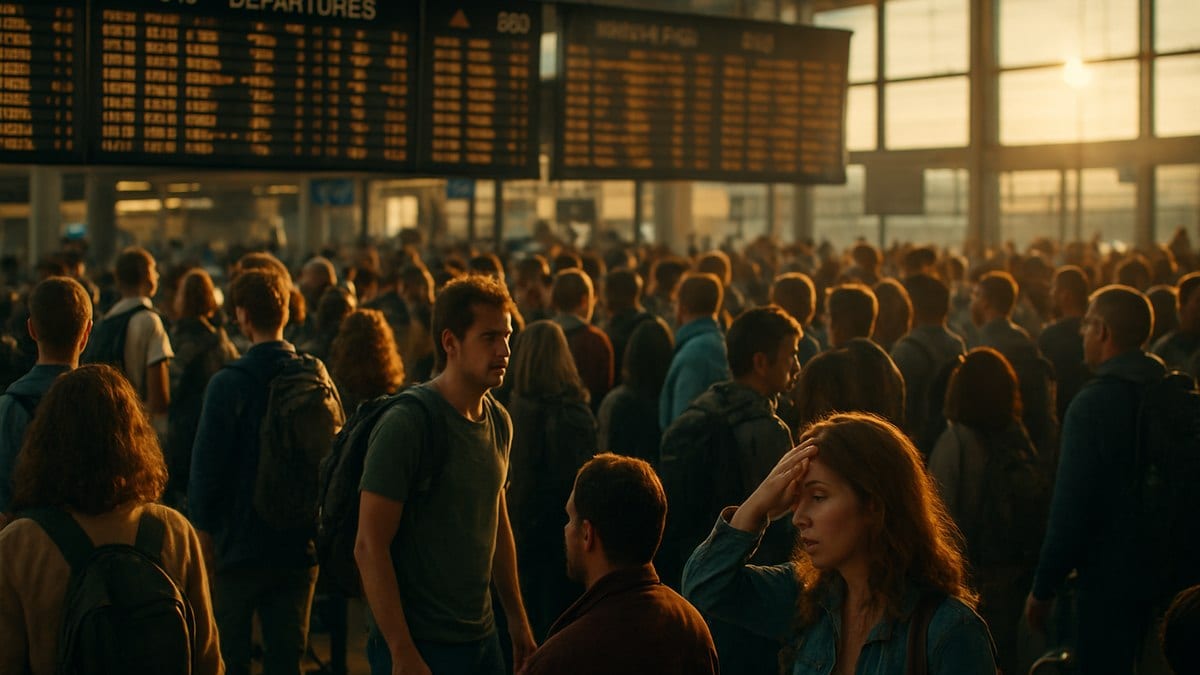
Stormy Easter weekend spills into the workweek
Publicly available flight-tracking data for the Easter 2026 travel period show a sharp spike in disruptions across major U.S. airports, with the Southeast emerging as a particular trouble spot as storms moved from the Midwest into the Gulf and Atlantic states. Over Easter Saturday alone, national data compiled from flight-monitoring platforms indicated thousands of delays and several hundred cancellations as thunderstorms and low visibility forced traffic control interventions at some of the country’s busiest hubs.
Reports indicate that while the worst of the weather hit during the weekend itself, its effects lingered well into Easter Monday and the following Tuesday. Aircraft and crews out of position, combined with peak holiday crowds, created what aviation observers describe as a cascading disruption pattern, in which a relatively modest number of outright cancellations at key hubs translates into significant knock-on delays throughout the network.
In this context, at least 62 cancellations concentrated at Southeast gateways represented more than just a local inconvenience. These flights were part of complex banked schedules linking smaller regional cities with coast-to-coast and international services, magnifying the impact for travelers far beyond the affected airports.
Southeast hubs under pressure
The Southeast’s largest connecting complexes, including Atlanta and Miami, carried much of the strain as passengers attempted to return home after the holiday. According to published coverage drawing on FlightAware and similar trackers, Atlanta saw dozens of cancellations and hundreds of delays during the Easter window, with additional disruption reported on Easter Monday as operations slowly reset. Miami, one of the region’s busiest international gateways, recorded around 175 disrupted flights over the holiday stretch, making it a flashpoint for Easter travel to and from Latin America and the Caribbean.
Beyond these giants, mid-sized hubs and leisure-focused airports in Florida and the broader Southeast also reported elevated disruption levels. Weather systems brushing the Gulf Coast and the Atlantic seaboard intersected with already tight schedules at airports that rely heavily on high-turnover domestic and sun-seeker traffic. At several of these locations, even a limited number of cancellations translated into crowded terminals and long lines at customer service desks, as a high proportion of passengers were leisure travelers on infrequent or fully booked routes.
Across the region, the 62 recorded cancellations formed only part of the disruption story. Delays far outnumbered outright scrubs, but the canceled flights tended to be the ones with the fewest immediate alternatives, particularly late-evening departures and low-frequency regional connections that could not easily be re-accommodated the same day.
Weather, staffing and crew rules combine
Analysis of airline advisories and operational bulletins issued over the Easter period points to a familiar combination of triggers. Intense but short-lived thunderstorms forced temporary ground stops and reroutes at multiple hubs, cutting into already narrow schedule buffers. Once the initial weather threat passed, airlines were left with aircraft and crews scattered across the network, often at outstations without spare staff or maintenance capacity.
In several cases, publicly available information from carriers shows that crew duty-time rules became the deciding factor between a delay and a cancellation. When crews reached their legally mandated rest limits after working through earlier disruptions, airlines had little choice but to cancel subsequent segments, even as skies cleared. That pattern was particularly evident on multi-leg itineraries connecting smaller Southeast cities through one or two hubs, where one late aircraft could domino into multiple scrubbed departures.
Staffing and scheduling constraints added further pressure. Industry commentary around the Easter disruptions highlights how airlines continue to operate close to the edge of available resources during peak periods, with limited spare aircraft or standby crews to absorb shocks. When storms coincide with holidays such as Easter, the result can be an outsized operational impact even if the underlying weather event is relatively short-lived.
National ripple effects from regional cancellations
Although the raw number of cancellations at Southeast hubs over the post-Easter period remained in the dozens rather than the hundreds, their placement within the broader network amplified their effect. Many of the 62 canceled flights were feeder services into major connecting complexes, which meant missed onward connections for passengers bound for the Northeast, Midwest, West Coast and international destinations.
Reports from travel data outlets suggest that some long-haul services were forced to depart with empty seats that could not be filled in time, while others saw large numbers of misconnected passengers queuing for rebookings at already crowded customer service points. In certain markets, full flights and limited interline options meant that travelers whose Southeast legs were canceled faced overnight stays or multi-stop reroutes extending journeys by a full day or more.
The ripple effects also appeared in airport statistics far from the initial disruption zone. Northern and Western airports that did not experience severe weather themselves nonetheless recorded elevated delay figures tied to late-arriving aircraft from Southeast hubs. For travelers at those airports, the cause of their disruption could be traced back to a relatively small cluster of storm-affected flights and subsequent cancellations hundreds or even thousands of miles away.
What travelers can expect in coming days
As of early in the week following Easter, publicly available flight status boards showed gradual improvement across most Southeast gateways, with the heaviest waves of cancellations behind them. However, residual schedule imbalances, displaced crews and high seat loads meant that some routes remained vulnerable to further disruption, particularly in the late evening and early morning peaks when capacity is stretched.
Travel information platforms advise that passengers with departures in the next several days keep a close eye on their bookings, as even isolated thunderstorms or minor technical issues can have an outsized effect when the system is still recovering from a holiday shock. Monitoring airline apps, enabling notifications and checking the status of inbound aircraft are among the steps being recommended to help travelers react quickly to any emerging problems.
For airlines and airports, the post-Easter episode is being cited in industry analysis as another case study in the fragility of peak-period operations. With the busy summer season approaching, attention is likely to focus on whether carriers add additional buffers, spare crews or schedule adjustments at key Southeast hubs to reduce the probability that a few dozen weather-triggered cancellations can once again ripple into nationwide flight chaos.