

More news on this day
Major Southeast U.S. hubs including Atlanta, Charlotte and Miami experienced a fresh wave of disruption on April 7, with publicly available tracking data indicating at least 62 flight cancellations and more than 500 delays, snarling travel across the region and beyond.
Get the latest news straight to your inbox!
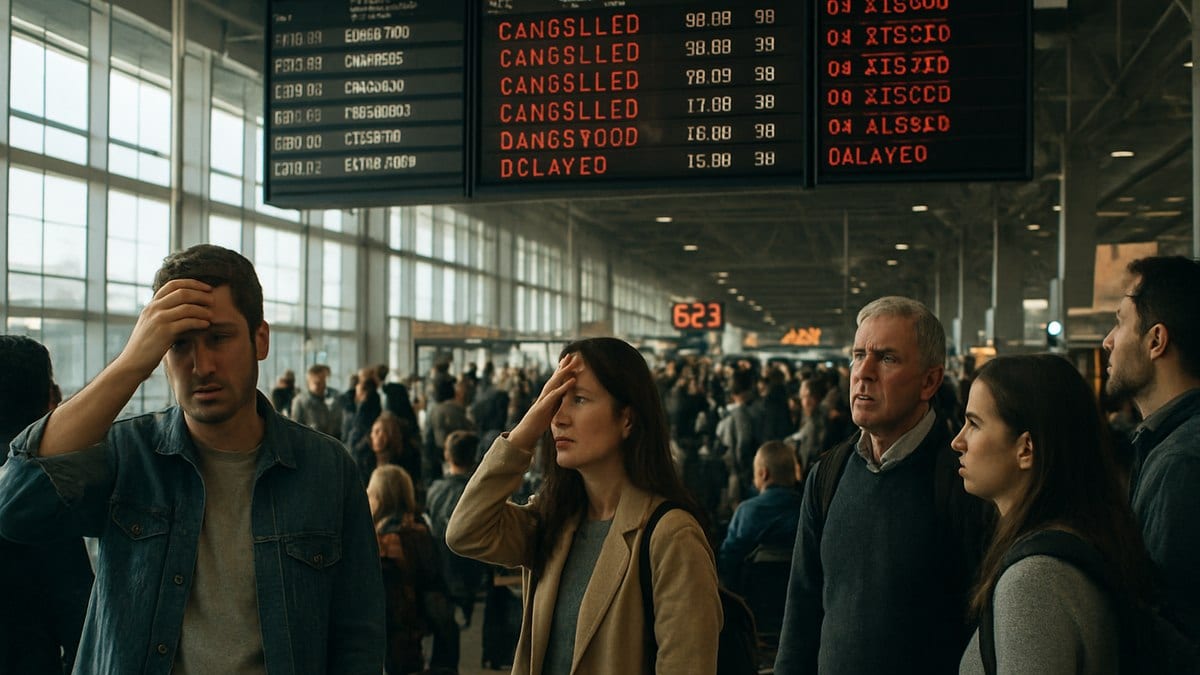
Stormy Skies and Strained Systems Hit Key Southeastern Gateways
Tracking platforms and industry coverage on April 7 point to a particularly difficult day for air travel across the Southeast, where a mix of lingering weather issues and operational bottlenecks pushed delay totals well into the hundreds. While national disruption tallies remained high after an already turbulent early spring period, major connecting hubs in the region once again emerged as focal points of the latest wave of flight chaos.
Atlanta’s Hartsfield Jackson, the region’s dominant hub, reported dozens of cancellations and several hundred delays over the course of the day, according to aggregated flight data cited in multiple travel news reports. With its role as a primary connection point for domestic and transatlantic routes, even a relatively modest spike in canceled departures and late arrivals quickly cascaded throughout airline networks, affecting flights to and from cities such as New York, Chicago, Miami and Orlando.
Miami International and Charlotte Douglas also saw elevated disruption levels, with reports referencing clusters of canceled and late-running services to key business and leisure markets across the East Coast and Midwest. Travel industry analysis notes that these airports, which already contend with frequent weather volatility and dense schedules, can see delays mount rapidly when thunderstorms or residual storm systems intersect with busy bank times for arrivals and departures.
Operational assessments published in aviation-focused outlets further highlight how the Southeast’s concentration of large hubs amplifies risk. When multiple airports across the region encounter the same storm system or staffing pinch point, airlines have limited flexibility to reroute traffic without deep knock-on effects, leading to the sort of multi-hub disruption seen on April 7.
From Winter Storm Hangover to Spring Surge in Demand
The latest cancellations and delays did not emerge in isolation. Industry reporting over recent days has described a prolonged period of turbulence for North American aviation, beginning with a major late January winter storm that triggered tens of thousands of cancellations and continuing through a busy Easter travel period marked by widespread delays. Analysts note that the Southeast, with its mix of coastal and inland hubs, was repeatedly in the path of those systems.
Published accounts of the January 23 to 27 winter storm detail how ice and snow across the South and Mid Atlantic forced ground stops and heavy schedule reductions at airports that typically anchor Southeast connectivity. Atlanta, Charlotte and other regional gateways saw large numbers of flights scrubbed or severely delayed as airlines attempted to protect crews and aircraft, leaving schedules out of sync for days.
More recently, Easter week brought another round of volatility, with travel trade publications citing data showing thousands of delayed flights across the United States and Canada as carriers struggled to realign aircraft and crews after earlier weather shocks. That backdrop helps explain why a seemingly contained set of 62 cancellations and over 500 delays concentrated in one region can still have outsized impact, especially when many airplanes and flight crews are already operating close to utilization limits.
As spring travel demand ramps up, the Southeast’s importance within broader route maps adds further pressure. Florida-bound leisure traffic, Caribbean connections, and transcontinental services frequently route through Atlanta, Charlotte and Miami. Any constraint in those hubs, whether from storms, residual maintenance backlogs or air traffic management challenges, can quickly turn local weather problems into national travel headaches.
Airlines, Air Traffic Control and the Bottleneck in the Southeast
Alongside weather, operational factors continue to play a central role in the disruption story. Recent aviation analysis has drawn attention to persistent staffing strains in key segments of the aviation system, particularly air traffic control, where shortfalls at certain facilities have contributed to ground delays and airborne holding patterns at multiple major airports.
Trade publications tracking the Federal Aviation Administration’s performance note that several high-volume hubs, including those in the Southeast, have been operating with limited margin. When thunderstorms or low clouds push traffic into narrower arrival and departure windows, controllers must space aircraft more conservatively, reducing capacity just as airlines attempt to operate near pre-pandemic schedule levels.
Carriers serving the region also continue to navigate tight crew and fleet availability. Reports on recent disruptions show that when an inbound aircraft or crew arrives late into a Southeast hub, the knock-on impact can wipe out entire banks of flights as duty time rules limit how long crews can remain on duty and spare aircraft are in short supply. This dynamic has been particularly evident at hubs dominated by a single major carrier, where network planners are balancing the desire to maintain frequent service with the risk of widespread cancellations when conditions deteriorate.
Industry observers point out that these structural bottlenecks leave airlines with limited room to maneuver when multiple stressors converge, as they did on April 7. Even with only dozens of outright cancellations, the combination of ground holds, reroutes and missed connections contributed to a much larger population of delayed passengers across the Southeast and onward into the broader domestic network.
Traveler Impact: Long Lines, Missed Connections and Limited Options
For travelers passing through Southeast hubs, the day’s statistics translated into hours of uncertainty. Social media posts and anecdotal accounts referenced long lines at check in and security, crowded gate areas and last minute gate changes as airlines attempted to recover their schedules. Missed connections were a recurring theme, particularly for those relying on tight layovers in Atlanta or Charlotte to reach smaller cities across the South and Midwest.
Publicly available travel advisories from airlines over recent weeks have consistently urged passengers to monitor their flight status closely, arrive early at the airport and consider building longer connection times into itineraries that pass through disruption prone hubs. The April 7 pattern of extensive delays but more limited outright cancellations illustrates why this advice remains relevant: while many flights eventually operated, they did so hours behind schedule, upending onward travel and ground arrangements.
Rebooking options were also constrained in some cases, as high load factors during the spring travel season left few open seats on alternative departures. Travelers facing cancellations from Southeast hubs often had to choose between overnight stays and rerouting through secondary airports, which added time and complexity but sometimes offered the only realistic path to their destinations.
Travel insurance providers and consumer advocates have used recent disruption episodes to reiterate the importance of understanding coverage for delays and missed connections. With multi hour waits becoming more common during active weather periods, the gap between what airlines are required to provide and what additional protections travelers may want to purchase has become a central consideration for frequent flyers across the Southeast.
What Today’s Disruptions Signal for the Months Ahead
While the April 7 figures of 62 cancellations and more than 500 delays represent only a snapshot of a single day’s operations, aviation analysts see them as part of a broader pattern that could persist into the busy summer season. Data comparisons published by regulatory and industry bodies show that some large U.S. hubs, including those in the Southeast, have struggled to regain pre-2020 levels of punctuality even as flight volumes rebound.
Historical performance metrics indicate that airports such as Atlanta and Charlotte already operate with relatively tight on time margins compared with less congested hubs. When layered with seasonal thunderstorms, lingering storm related backlogs and staffing challenges in both airline operations and air traffic control, the risk of recurring disruption spikes remains elevated, particularly on peak travel days.
For travelers, today’s turbulence serves as an early reminder to build resilience into summer plans. Consumer advice published by travel organizations increasingly emphasizes flexible tickets, earlier departures where possible, and itineraries that avoid the last flight of the day from disruption prone hubs. Even as airlines refine schedules and invest in technology to better predict and manage irregular operations, the Southeast’s central role in U.S. aviation means that weather and operational shocks in the region are likely to continue reverberating far beyond its borders.
Airports and carriers in the region are meanwhile under pressure to demonstrate that lessons from recent storms and holiday disruptions are being applied ahead of the next demand surge. With travelers growing less tolerant of rolling delays and abrupt cancellations, the response to episodes like the April 7 disruption will help shape perceptions of reliability at Southeast hubs in the months to come.