

More news on this day
Air passengers across Asia faced another day of uncertainty on April 5 as 63 flights were canceled and 854 delayed at six major hubs, with disruption radiating out from Changsha Huanghua, Shanghai Hongqiao, Shenzhen Bao’an, Guangzhou Baiyun, Tianjin Binhai and Jakarta Soekarno Hatta international airports.
Get the latest news straight to your inbox!
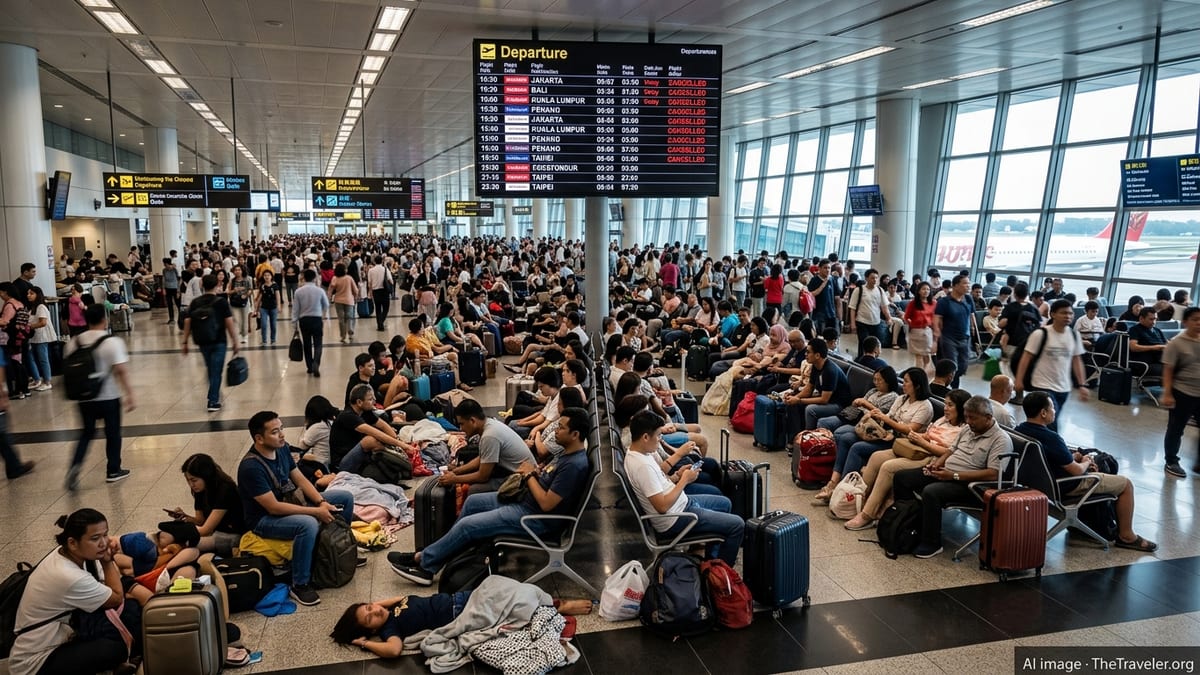
Fresh Wave of Disruptions Across Key Asian Gateways
Publicly available operational data and industry coverage indicate that the latest disruption was concentrated at a cluster of busy airports in mainland China and Indonesia, further tightening pressure on regional aviation already dealing with repeated bouts of congestion and adverse weather. The combined tally at Changsha Huanghua, Shanghai Hongqiao, Shenzhen Bao’an, Guangzhou Baiyun, Tianjin Binhai and Jakarta Soekarno Hatta reached 63 cancellations and 854 delays within a single reporting window.
The affected Chinese airports sit within some of the country’s densest domestic corridors, linking coastal financial hubs with central and northern cities. Jakarta’s Soekarno Hatta serves as Indonesia’s primary international gateway and a critical connector for Southeast Asia, meaning delays there can quickly cascade through regional and long haul networks.
Reports from flight tracking platforms show that the disruptions coincided with already heavy early April traffic, a period that has seen several days of elevated cancellations and delays across Asia’s major markets. The cumulative impact has left airport departure boards dominated by red and amber status markers and large numbers of passengers seeking rebooking or refunds.
While the precise mix of contributing factors at each airport varies, regional coverage points to a combination of unsettled weather in parts of southern China, ongoing air traffic congestion and tight turnaround schedules that leave limited room to absorb even minor operational shocks.
Changsha, Shanghai and Tianjin See Knock On Delays
In central China, Changsha Huanghua International Airport has repeatedly featured in recent disruption tallies, with earlier data in late March and early April showing double digit cancellations and more than one hundred delays on particularly difficult days. The latest figures describing 63 cancellations and 854 delays across the six spotlighted airports suggest that Changsha again experienced significant knock on effects as rotations from larger hubs arrived late or were rescheduled.
Shanghai Hongqiao, a core domestic hub complementing the city’s larger Pudong airport, has also seen sustained strain. Recent roundups of China wide disruption have noted more than one hundred delays and several dozen cancellations at Hongqiao in a single day, reflecting how quickly congestion builds when weather or air traffic flow restrictions affect Shanghai’s dual airport system.
Farther north, Tianjin Binhai continues to feel the ripple effects from Beijing area traffic and wider network imbalances. Although its disruption numbers typically trail the country’s largest hubs, delays at Binhai can add another layer of complexity for carriers attempting to reposition aircraft and crews amid tight schedules.
Analysts who track on time performance trends in China have previously highlighted that secondary hubs such as Changsha and Tianjin often bear the brunt of recovery efforts when major coastal airports slow down, resulting in rolling delays that last well beyond the initial weather or congestion event.
Guangzhou and Shenzhen Remain Weather Sensitive Bottlenecks
Guangzhou Baiyun and Shenzhen Bao’an, two of the busiest airports in southern China, have been repeatedly hit by weather related disruption in recent days. Coverage from regional outlets has documented severe thunderstorms, hail and low visibility around the Guangzhou Shenzhen corridor, resulting in large spikes in both cancellations and delays and forcing airlines to issue delay alerts for extended periods.
These conditions have compounded structural challenges at the airports, which handle dense banks of domestic and regional departures. When storms or ground holds interrupt those banks even briefly, aircraft queues and gate shortages quickly build, and recovery can stretch late into the evening peak.
Recent overviews of Asia wide disruption show Guangzhou and Shenzhen consistently appearing among the most affected airports, with several hundred delays and dozens of cancellations reported on multiple days. The latest data placing them within the group of six hubs tied to 63 cancellations and 854 delays underlines their role as weather sensitive bottlenecks in the regional system.
Travel industry commentators note that airlines operating large fleets out of southern China have been forced into repeated schedule adjustments, rolling re timings and ad hoc aircraft swaps, challenging efforts to restore normal on time performance before the next round of storms or congestion hits.
Jakarta Soekarno Hatta Adds Southeast Asian Pressure
Jakarta’s Soekarno Hatta International Airport, one of Southeast Asia’s busiest hubs, has also contributed to the latest disruption picture. Published coverage on recent operational days at the airport describes recurring late departures, extended taxi times and frequent schedule changes, particularly on dense domestic routes.
With Indonesian carriers operating high frequency shuttle style services between Jakarta and secondary cities, even modest delays can create long chains of knock on effects. Aircraft arriving late into Soekarno Hatta often turn around behind schedule, pushing subsequent departures outside their assigned slots and contributing to further congestion.
The inclusion of Jakarta alongside the Chinese hubs in the most recent figures underscores how tightly interconnected Asia’s aviation system has become. Delays affecting flights between China and Indonesia or broader Southeast Asia can disrupt both point to point and connecting traffic, complicating travel plans for passengers continuing onward to other Asian markets or to the Middle East, Europe and Australia.
Observers note that Soekarno Hatta’s passenger throughput has grown steadily, and although infrastructure upgrades have added capacity, day to day resilience still depends heavily on smooth air traffic management and stable weather patterns that have not always prevailed in recent weeks.
Passengers Face Long Queues, Tight Rebooking Options
The practical consequences of the 63 cancellations and 854 delays at the six highlighted airports have been visible in crowded terminals, lengthening check in lines and busy customer service desks as travelers seek alternatives. Flight tracking summaries and media reports indicate that many affected services occurred during peak travel periods, narrowing the availability of spare seats on later departures.
For passengers with tight connections, even relatively short delays can trigger missed onward flights, particularly at multi terminal hubs such as Guangzhou, Shenzhen and Jakarta. In some cases, the disruption has required overnight stays or extended layovers as airlines work through backlogs and reposition aircraft to restore schedules.
Industry analysis suggests that repeated disruption days across late March and early April are also beginning to affect aircraft and crew rostering on a multi day basis, meaning that cancellations at one airport may be linked to crews reaching duty limits or aircraft being out of position after earlier delays elsewhere in the network.
Consumer advocates and travel insurers stress the importance of passengers monitoring flight status closely, keeping documentation of delays and cancellations and checking both airline and policy rules on rebooking, refunds and compensation, which can vary by route, carrier and jurisdiction.