

More news on this day
Thousands of airline passengers moving through Boston, Chicago and Los Angeles are facing mounting frustration after 69 flights were cancelled and 748 more were rescheduled in a fresh wave of disruption that is rippling across major U.S. hubs.
Get the latest news straight to your inbox!
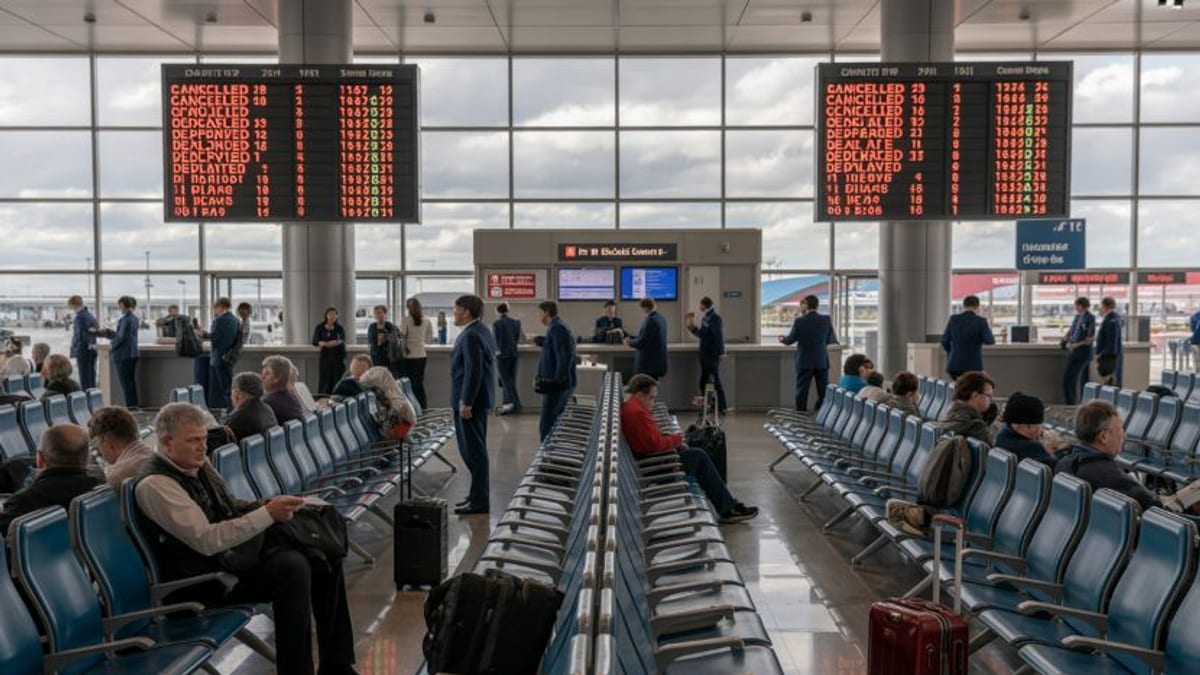
Image by Travel And Tour World
Weather, Congestion and Staffing Combine to Snarl Schedules
Publicly available data from flight-tracking dashboards on Sunday indicates that Logan International in Boston, Chicago O’Hare and Los Angeles International have absorbed a concentrated hit of cancellations and last minute time changes, reflecting a broader pattern of strain across the U.S. network.
The latest disturbance follows a difficult winter period for airlines, marked by successive storms and heavy operational loads. A series of powerful winter systems in January, February and March 2026 disrupted thousands of flights nationwide, leaving operations at major hubs vulnerable to even relatively modest weather or air-traffic slowdowns as schedules filled back up.
Reports from aviation analytics providers show that the majority of the 69 newly axed flights at the three airports were short haul domestic services that connect into larger national and international networks. The further 748 schedule changes, many of them involving rolling delays and equipment swaps, have created a knock-on effect for travelers attempting to make onward connections.
Industry observers note that tight staffing, high aircraft utilization and continued recovery flying after earlier winter storms mean that carriers now have less slack in the system when adverse conditions appear, particularly at heavily banked hubs like Chicago and Los Angeles.
Impact on Passengers at Boston, Chicago and Los Angeles
At Boston’s Logan International Airport, the disruption comes on the heels of a season of elevated weather related disruption in New England, where recent snow and wind events have repeatedly slowed operations. Travelers reported long lines at rebooking counters and self service kiosks on Sunday as they attempted to salvage weekend and early week itineraries.
In Chicago, O’Hare’s role as a central national hub magnified the effect of each cancellation. Scrapped departures on key routes into the Midwest and East Coast removed connection options for passengers already in transit, while rescheduled flights compressed available seats into fewer departure windows. That dynamic left some travelers facing same day standby lists stretching across multiple flights.
At Los Angeles International Airport, the disruption manifested more in rolling delays and gate changes than in outright cancellations. Schedule data shows that a significant portion of the 748 revised departure or arrival times involved West Coast and transcontinental services that feed into late evening and overnight operations, raising the risk of missed red eye connections and late night arrivals.
Travelers passing through all three airports also faced secondary complications such as baggage delays and rearranged ground transport. With arrival times shifting by hours in some cases, prebooked shuttles and rideshares often no longer matched actual arrival windows, adding cost and stress for passengers already contending with disrupted air travel plans.
How American Airlines Is Managing the Disruptions
American Airlines, which maintains a significant presence at both Chicago O’Hare and Los Angeles International, has leaned on a mix of advance schedule thinning and day of operations adjustments to manage the latest disruptions. According to published coverage and airline advisories, the carrier has continued to promote flexible rebooking policies introduced during the winter storm season, allowing many passengers to shift to alternative flights without change fees when their original services are cancelled.
Operationally, American has sought to consolidate lightly booked flights where possible, freeing aircraft and crew to support busier routes and recovery flying. That strategy can reduce the total number of cancellations in a given day but often results in time changes and aircraft substitutions that ripple through the schedule and contribute to the elevated rescheduling count seen at the three affected airports.
American’s published travel alerts in recent weeks have emphasized the interaction between weather, air traffic management programs and aircraft positioning, indicating that aircraft and crews remain out of place after earlier storms and operational disruptions. The airline has encouraged passengers to use its mobile app and website to monitor real time flight status and, where eligible, to rebook away from peak travel windows at busy hubs.
Industry analysts note that American’s experience this year illustrates the broader challenge for large network carriers that must rebalance aircraft and crew across multiple hubs after major storms, often while still operating near peak capacity due to strong demand.
Delta and Spirit Take Diverging Approaches
Delta Air Lines, which has a leading position in Boston and a sizeable footprint in Los Angeles, has been working to stabilize operations after a winter marked by significant weather disruption across the Upper Midwest and Northeast. Company statements and operational updates during recent storms have highlighted a focus on preemptive cancellations, in which the airline trims its schedule in advance when forecasters predict severe conditions.
That approach appears to have carried into the latest round of disruption, with Delta using advance planning to reduce last minute cancellations at its hubs. However, the strategy can also contribute to a higher number of rescheduled flights, as departure times are moved earlier or later to fit around anticipated air traffic control constraints, runway configurations and de icing requirements.
Spirit Airlines, with a strong presence at Los Angeles and a smaller but growing footprint at other major airports, has emphasized cost control and fleet efficiency as it navigates a challenging domestic market. Public reports on the carrier’s recent network adjustments and staffing reductions suggest that Spirit has less spare capacity to absorb irregular operations, making each cancellation more disruptive for affected passengers.
When flights are cut or heavily delayed, Spirit’s model, which is built around point to point routes and high aircraft utilization, can leave travelers with fewer same day alternatives. As a result, rebooking may involve shifting to later dates or using other carriers, particularly when disruptions occur at constrained airports like Boston, Chicago or Los Angeles where remaining seats on peak departures sell out quickly.
What Travelers Can Expect in the Coming Days
Aviation analysts expect lingering disruptions around the three airports over the next 24 to 48 hours as airlines work through the backlog created by the 69 cancelled flights and hundreds of schedule changes. Even after weather or immediate operational constraints ease, crews and aircraft often remain out of their intended positions, requiring several flight cycles to restore normal patterns.
Publicly available guidance from major carriers indicates that flexible travel policies introduced for earlier winter storms remain in place on some routes, particularly where additional adverse weather is in the forecast. Travelers booked on American, Delta, Spirit and other airlines at Boston, Chicago or Los Angeles are being urged through online advisories and mobile notifications to check flight status frequently and to arrive at the airport with additional time.
Looking ahead, industry observers suggest that continued strong demand, a busy spring break travel period and the possibility of further late season storms could lead to additional episodes of concentrated disruption at major hubs. Airlines are likely to continue relying on combinations of advance schedule adjustments, rolling delays and selective cancellations to maintain safety margins while preserving as much of their planned flying as possible.
For passengers, the latest wave of disruption at Boston, Chicago and Los Angeles reinforces a pattern that has defined the past several travel seasons: even routine trips through major hubs can be vulnerable to sudden changes when weather, staffing and air traffic constraints collide, and building extra time and flexibility into itineraries remains one of the few reliable defenses against cascading delays.