

More news on this day
Thousands of travelers across the United States have been caught in a fresh wave of air travel disruption after 69 flights were cancelled and a further 748 were rescheduled at major hubs serving Boston, Chicago and Los Angeles, creating long queues, missed connections and growing anger aimed at leading carriers including American Airlines, Delta Air Lines and Spirit Airlines.
Get the latest news straight to your inbox!
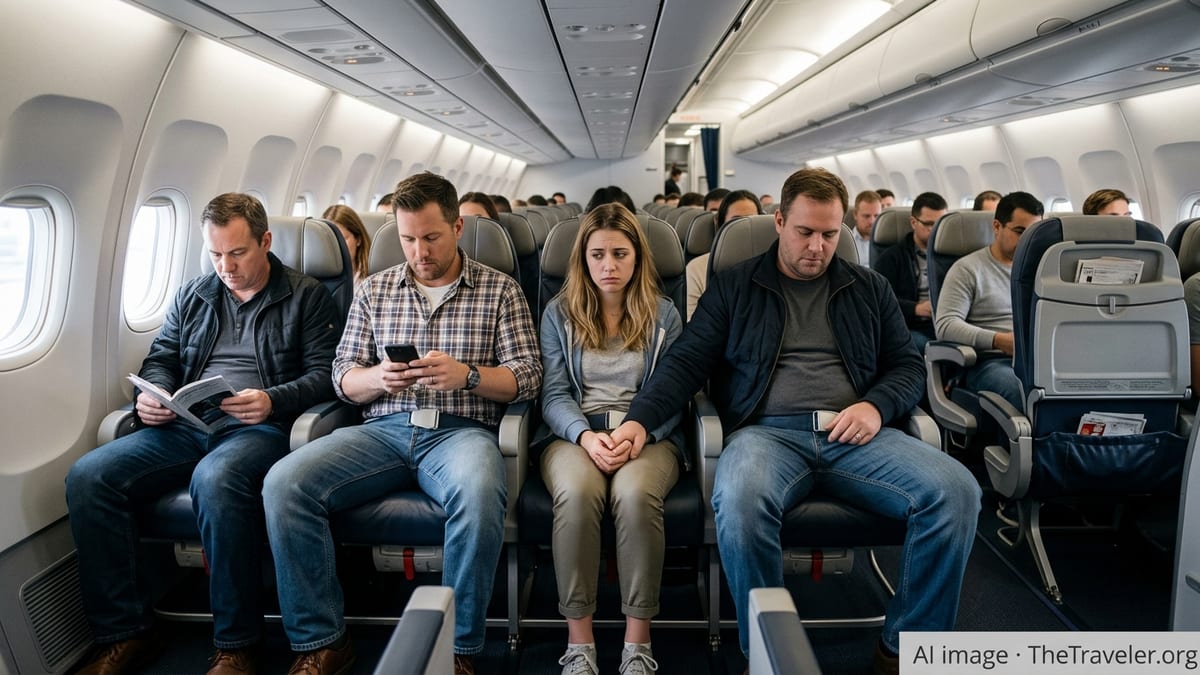
Heavy Operational Disruption Across Key US Hubs
The latest disruption, highlighted in recent industry and travel news coverage, has focused attention on Boston Logan, Chicago O Hare and Los Angeles International, three of the country’s busiest gateways. Reports indicate that a combination of scheduling changes, weather related knock on effects and broader network pressures has translated into dozens of cancellations and hundreds of flight time changes in recent days.
Published coverage describes 69 flights being fully axed while 748 services were shifted to new departure or arrival times, affecting both domestic and transcontinental routes. Travelers reported last minute notifications, revised boarding times and rolling delays that turned what should have been routine journeys into day long ordeals at already crowded terminals.
Data drawn from flight tracking platforms and industry briefings shows that Chicago and Los Angeles have been among the hardest hit for delays, while Boston has seen a higher share of schedule changes that ripple across airline networks. The disruption has particularly affected peak morning and evening bank periods, when aircraft and crew are tightly sequenced across multiple cities.
The timing of the problems, coming after a series of earlier weather and technology related snags in March, has intensified scrutiny of how major US airlines are managing resilience at their largest hubs and whether existing buffers are sufficient when storms, traffic control constraints or staffing gaps emerge.
American, Delta and Spirit Adjust Schedules and Policies
In response to the latest wave of disruption, publicly available information shows that major carriers are leaning on a familiar set of tools, ranging from advance schedule “rebanking” to day of operations rebooking. American Airlines has concentrated on consolidating lightly booked flights onto single departures, adjusting connections through Chicago to preserve long haul links while cutting some shorter regional legs.
Delta Air Lines, which has recently issued a series of travel advisories for constrained airports, has expanded the use of flexible rebooking windows for affected passengers and encouraged the use of mobile apps for same day flight changes. At hubs tied into Boston, Chicago and Los Angeles, Delta has focused on moving customers onto earlier or later services where available and relaxing change fee rules for those whose flights have been rescheduled.
Spirit Airlines, operating a dense schedule in several affected markets, has relied on selective cancellations to rebuild on time performance where delays had cascaded across its network. Industry reporting notes that Spirit has been directing travelers toward digital self service tools for rebooking while also offering credit or refunds in line with its published policies when no suitable alternative flight is available on the same day.
Across all three carriers, the emphasis has been on restoring overall network stability rather than preserving every individual departure. That strategy can shorten the length of a system wide disruption but often leaves passengers on specific flights facing cancellations or significant timetable changes with limited advance warning.
Passengers Face Missed Connections, Extra Costs and Long Waits
For travelers passing through Boston, Chicago and Los Angeles, the numbers translate into very tangible inconvenience. When dozens of flights are cancelled outright, passengers frequently lose carefully planned connections, particularly on itineraries that string together multiple domestic hops before an international leg.
Accounts shared via social media and in local coverage describe long lines at check in counters and service desks as passengers try to secure new itineraries. With 748 flights rescheduled, some travelers arrived at airports to find earlier departures had already left, while others endured extended waits as departure times were pushed back in multiple increments.
Additional out of pocket costs are another recurring theme. When disruptions are driven by weather or air traffic control constraints rather than airline specific issues, carriers are generally not required under US regulations to provide hotel accommodation or meal vouchers. As a result, many stranded passengers in Boston, Chicago and Los Angeles have paid for same day hotel stays, ride share trips to alternative airports or new tickets on other airlines when original plans collapsed.
Consumer advocates point out that while federal transportation rules require refunds when a flight is cancelled and a traveler chooses not to fly, compensation for delays remains limited. In practice, the burden often falls on passengers to understand their rights, document expenses and press for goodwill gestures when disruption is particularly severe.
Underlying Pressures on US Airline Operations
The latest wave of cancellations and rescheduling at these key hubs is unfolding against a broader backdrop of strain across the US aviation system. Recent reports on national operations have highlighted how even localized storms, runway construction or technology glitches can ripple quickly through tightly scheduled airline networks.
Major hubs such as Chicago O Hare and Los Angeles International handle high volumes of connecting traffic, which magnifies the impact of any single delay. When an inbound aircraft arrives late, the same plane and crew are frequently scheduled to operate the next leg within a short turnaround window. If that window collapses, successive flights can slip behind schedule or be cut entirely.
At the same time, airlines continue to navigate pilot and maintenance staffing dynamics, making it harder to keep extra crews or spare aircraft in reserve. Industry analysis has also noted the continued reliance on aging air traffic control infrastructure, where periodic ground stops and flow control programs slow departures into constrained airspace and reduce network capacity on busy days.
Taken together, these pressures mean that a disruption affecting several dozen flights at key hubs can rapidly expand to hundreds of rescheduled services across the broader network. For passengers, the result is an elevated risk of last minute changes, even when local weather at departure airports appears calm.
What Travelers Can Expect in the Coming Days
With airlines still working through the knock on effects of the recent cancellations and mass rescheduling, operational data suggests that travelers using Boston, Chicago and Los Angeles should expect some continued volatility in departure and arrival times in the short term. Carriers often need several days of relatively smooth operations to fully restore normal patterns after a large disruption.
Passengers booked on American Airlines, Delta Air Lines or Spirit Airlines through these hubs are being urged by consumer groups and travel advisers to monitor their bookings closely and to enable flight status alerts on mobile devices. Same day schedule shifts may continue as airlines attempt to optimize aircraft and crew placement across their networks.
Travel experts also note that passengers willing to accept rerouting through alternative hubs, travel at off peak times or split groups across multiple flights sometimes have more options during recovery periods. However, such strategies may not be practical for families or those on tightly timed business or event schedules.
As the spring travel season ramps up, the latest episode of disruption at Boston, Chicago and Los Angeles underscores a persistent reality for US air travelers. Even when airlines act to stabilize their networks, the immediate experience for many passengers can still involve cancellations, rebooked flights and long hours spent in terminal waiting areas while the system resets around them.