

More news on this day
Travelers faced hours of uncertainty at John Glenn Columbus International Airport on Saturday as a wave of disruptions delayed 40 flights and forced the cancellation of 13 more, snarling connections to major hubs in New York, Chicago and Atlanta and sending shockwaves through transatlantic schedules to Europe and beyond.
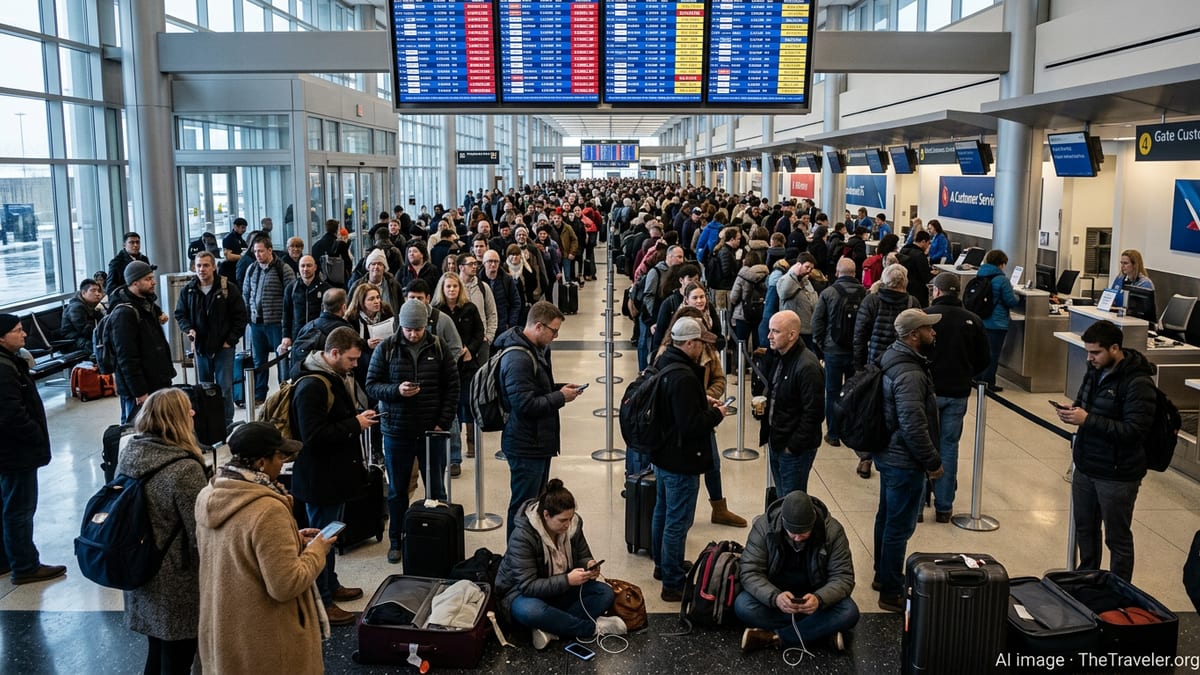
Widespread Disruptions After Night of Severe Weather
The problems at the Columbus, Ohio airport followed a punishing stretch of late winter weather across the eastern United States, culminating in a powerful storm cell that rolled through the Midwest and Southeast Friday evening. In Atlanta, a hailstorm over Hartsfield Jackson Atlanta International on March 6 halted departures for hours and triggered hundreds of cancellations, leaving aircraft and crews out of position just as the busy weekend travel period began.
By early Saturday, that disruption had migrated into Columbus, where airlines struggled to rebuild their schedules with limited spare aircraft and flight crews already stretched by earlier delays. Departure boards at John Glenn Columbus International filled with red and yellow status updates as early morning delays cascaded into the midday bank of flights that typically feeds connections to coastal hubs and overseas departures.
Airport officials said operations at the airfield itself remained open, but the residual effects of Friday’s extreme weather meant many arriving aircraft reached Columbus hours behind schedule, if at all. With planes and crews stuck in storm affected hubs, carriers were forced to trim their Saturday schedules, prioritizing select mainline routes while cutting regional flights that serve as vital feeders for long haul journeys.
New York, Chicago and Atlanta Connections Hit Hard
The most affected routes out of Columbus were those to major U.S. connecting hubs, where even modest schedule changes can ripple across the national network. Flights to New York area airports, including John F. Kennedy and LaGuardia, saw a mix of extended ground holds and cancellations, complicating onward travel to European gateways such as London, Paris and Frankfurt.
Chicago O’Hare and Atlanta, both already grappling with their own weather and traffic management challenges in recent days, became chokepoints for Columbus passengers. Several morning departures from John Glenn Columbus to Chicago were delayed well beyond an hour, stranding travelers who had planned tight connections onto transcontinental and transatlantic services later in the day.
At Atlanta, still recovering from the hailstorm that forced a prolonged ground stop on Friday evening, limited gate space and backed up departure queues meant aircraft arriving from Columbus often had nowhere to park. Airline operations teams were left juggling inbound and outbound flows, with some Columbus bound flights from major hubs arriving so late that return segments had to be scrubbed from the schedule entirely.
Travelers Confront Long Lines, Missed Trips and Frayed Nerves
Inside the Columbus terminal, the scene quickly turned familiar to anyone who has traveled during a major disruption. Lines at airline service counters stretched deep into concourses as passengers waited to be rebooked onto scarce remaining seats, while others clustered around gate podiums seeking real time information about rolling delays and gate changes.
Some travelers bound for Europe watched their carefully planned itineraries unravel in real time as missed connections in New York, Chicago or Atlanta forced last minute reroutes through secondary hubs or pushed their departures back by a day or more. Others with time sensitive trips, including international business meetings and family events, opted to abandon their journeys altogether rather than face an uncertain overnight stay somewhere along the route.
Airline staff, many of whom had already worked extended shifts through the earlier storm related disruptions, attempted to triage the most urgent cases, prioritizing passengers with imminent international connections, unaccompanied minors and those with limited mobility. Yet with 40 delayed flights spilling passengers into the same constrained space and 13 cancellations removing hundreds of seats from the market, there were few easy solutions.
Knock On Effects Across Europe and Long Haul Networks
While John Glenn Columbus International does not itself host nonstop long haul services to Europe, its role as a feeder airport into major U.S. hubs meant Saturday’s problems were soon felt further afield. Delayed and missing Columbus passengers on early morning departures to New York, Chicago and Atlanta translated into empty seats or last minute standby reshuffles on transatlantic departures later in the day.
Airlines with large connecting banks at East Coast gateways saw check in agents fielding a surge of questions from travelers wondering whether their Columbus originating friends, relatives or colleagues would make it in time. Some carriers were able to accept a limited number of delayed connections by holding certain flights for short periods, but in many cases tight turnaround windows and slot restrictions at busy European airports prevented significant schedule adjustments.
The disruption also rippled into flights beyond Europe, including onward services to the Middle East and Africa that rely on transatlantic arrivals feeding through hub banks. Even where scheduled departure times remained unchanged, passenger manifests had to be reworked throughout the day as rebooked Columbus travelers appeared on later connections or disappeared entirely after being forced to postpone their trips.
Airlines Urge Passengers to Rebook and Check Status Frequently
With aircraft and crews still out of position on Saturday afternoon, airlines warned that further knock on disruptions were possible into the evening and potentially into Sunday, as they worked to restore rotations and comply with crew duty time regulations. Carriers encouraged customers traveling from or through Columbus to use mobile apps and airport displays to monitor their flight status closely, even if their departure time appeared unaffected earlier in the day.
Frequent travel advisers noted that passengers whose flights were canceled outright from Columbus are generally entitled to a refund if they choose not to travel, while those facing significant delays may be able to request rebooking at no additional cost. However, accommodation and meal support varies widely by airline and circumstance, leaving many stranded travelers to navigate hotel shortages and rising last minute rates on their own during large scale disruptions.
At John Glenn Columbus International, airport staff increased the presence of customer service ambassadors on the concourse floor, helping direct passengers to airline counters, security recheck lanes and baggage services. Despite the frustration, many travelers expressed appreciation for clear public address announcements and updated display boards, though for those whose day had already been consumed by the cascading delays, the only thing that mattered was an eventual boarding call.