

More news on this day
Hundreds of travelers across Georgia, Texas and Florida are facing last minute cancellations and rolling delays as at least 62 flights are reportedly axed and more than 500 delayed, with Delta Air Lines, United Airlines and Spirit Airlines among the carriers working to stabilize operations at some of the South’s busiest airports.
Get the latest news straight to your inbox!
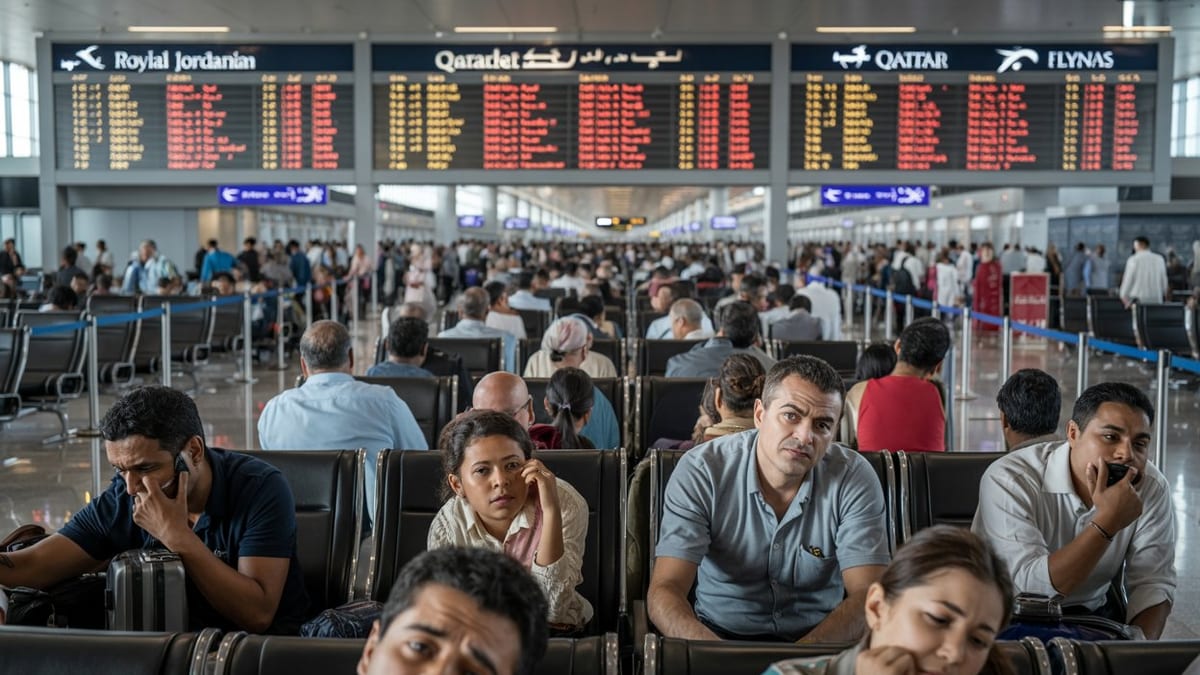
Where Disruptions Are Hitting the Hardest
Publicly available data from flight tracking platforms on April 7 indicates the sharpest impacts are being felt at major hubs in Atlanta, Dallas and Houston, as well as busy Florida gateways including Orlando, Miami and Fort Lauderdale. These airports are critical connecting points for domestic and international itineraries, which magnifies the ripple effects when departures start backing up.
Georgia’s Hartsfield-Jackson Atlanta International Airport, the primary hub for Delta Air Lines, is seeing clusters of cancellations and extended delays that are pushing some departures deep into the evening. In previous disruption episodes, Atlanta has experienced hundreds of same-day cancellations when storm systems or operational issues converged, and current patterns show a similar concentration of schedule strain around peak bank times.
In Texas, operations at large hubs such as Dallas-Fort Worth and Houston Intercontinental are under pressure as United and other carriers adjust to aircraft and crew out of position from earlier rolling delays. Reports from passenger tracking tools show flights in and out of these airports experiencing knock-on delays of one to three hours, often cascading into missed connections further down the line.
Across Florida, where Spirit maintains a strong presence at Fort Lauderdale and Orlando, the combination of high leisure demand and tight schedules is leaving little slack. Even a relatively modest wave of cancellations can result in limited same-day alternatives, and travelers on point-to-point low cost routes are particularly exposed when their single daily flight is removed from the board.
What Is Driving the Latest Wave of Cancellations
Initial reports suggest the current disruption is being driven by a mix of lingering weather impacts, congestion at key hubs and ongoing crew and aircraft imbalances that have become more visible during peak travel periods. In recent months, federal transportation data and airline disclosures have consistently pointed to weather and air traffic control constraints as leading contributors to day-of-travel disruptions across the United States.
Airlines also continue to operate with relatively tight staffing and fleet utilization, particularly on regional and shorter-haul routes that feed larger hubs. Industry analyses in the past year have highlighted how even small schedule shocks can translate into outsized disruption if there are limited spare aircraft and reserve crews to plug emerging gaps. The pattern of scattered cancellations across Georgia, Texas and Florida is consistent with a network struggling to reset after earlier delays pushed crews past duty limits.
For carriers like Spirit, which rely heavily on high aircraft utilization and quick turnarounds at sun-belt airports, any constraint at a maintenance or crew base can quickly propagate throughout the system. At the same time, hub-focused operators such as Delta and United must balance recovering their most congested airports with the need to reposition planes and crews to smaller cities that have already seen multiple flights canceled or heavily delayed.
How Delta, United and Spirit Passengers Are Being Affected
The immediate impact for passengers on Delta, United and Spirit is a sharp increase in connection risk and a higher likelihood of overnight disruptions when cancellations occur late in the day. Travelers transiting Atlanta on Delta and Houston or other Texas hubs on United are particularly vulnerable when inbound flights arrive hours behind schedule, reducing the window to rebook onto remaining departures.
Leisure travelers heading to or from Florida on Spirit face different but equally challenging trade-offs. Many routes are operated only once daily or a few times per week, leaving limited options when a flight is removed. Publicly accessible complaints channels and social media posts in recent weeks have described multi-day rebooking windows on certain low cost carriers when capacity is constrained and aircraft are out of position.
Families and travelers without flexible itineraries may find themselves forced to accept long layovers, overnight stays at intermediate hubs or routings that add multiple connections and many hours of extra travel time. For those with tightly timed cruises, events or international onward flights, the risk of missed departures has increased significantly during the current disruption window.
Business travelers, meanwhile, are encountering schedule volatility that can undermine same-day trips. Delays of 60 to 180 minutes on trunk routes linking Georgia, Texas and Florida to markets like Chicago, New York and Los Angeles are turning what were once predictable day-return itineraries into uncertain, multi-day propositions.
Key Routes and Markets Seeing the Biggest Strain
Among the routes showing notable pressure are those connecting Atlanta to major Southeastern and East Coast destinations, such as Florida beach markets and mid-sized cities in the Carolinas and Tennessee. These flights often rely on tight connections from inbound Midwest and Northeast services, so an early delay in one region can quickly cascade into missed banks and subsequent cancellations.
From Texas, heavily traveled corridors linking Dallas-Fort Worth and Houston with Florida, the Mountain West and the Midwest are experiencing rolling delays as aircraft and crews cycle through congested hubs. Historical data from past disruption days indicates that once mid-morning banks begin slipping, afternoon and evening departures on these routes face an elevated risk of further delays and last minute cancellations.
Florida-centric leisure markets are also feeling the strain. Routes into Orlando, Miami and Fort Lauderdale from secondary cities around the country are highly sensitive to schedule disruptions because many operate only once per day. When one of those flights is canceled, there may be no practical same-day alternative except connecting through a distant hub, which in turn adds more stress to already congested connecting points.
Inter-airport flows within the region, such as short flights between Georgia, Florida and Gulf Coast cities in Texas, are serving as both pressure valves and choke points. When carriers try to reposition aircraft via short hops to rebuild the network, any additional weather or air traffic control constraints can quickly turn these recovery flights into another wave of delayed or canceled services.
What Stranded and Delayed Travelers Can Do Right Now
Passengers affected by today’s wave of cancellations and delays are being encouraged by consumer advocates to act quickly, using airline apps and self-service tools to secure the best remaining options. Experience from prior disruption events shows that same-day rebooking inventory tends to disappear rapidly once a cancellation cluster becomes apparent on departure boards.
Travelers whose flights have been outright canceled can typically request rebooking on the next available departure or, in many cases, opt for a refund if the new itinerary no longer meets their needs. For those facing long delays, some carriers may offer meal vouchers or hotel accommodations depending on the cause and length of the disruption, though policies vary by airline and by whether the issue is classified as within the carrier’s control.
Consumer rights specialists often advise documenting all communications, keeping receipts for out-of-pocket expenses and monitoring official airline advisories for any published waivers that allow free changes to itineraries touching affected airports. Such waivers have become common during severe weather or systemwide operational challenges and can provide more flexibility to move travel to less congested days.
For upcoming trips through Georgia, Texas or Florida in the next several days, travelers may want to build in additional buffer time, avoiding the last flight of the day where possible and considering earlier departures that offer more backup options if delays accumulate. Given the current network strain on Delta, United and Spirit, a cautious approach to connections could reduce the risk of extended strandings as carriers work to bring their schedules back into balance.