

More news on this day
A cluster of flight cancellations and cascading delays at Nassau’s Lynden Pindling International Airport on Sunday has disrupted key routes across the Bahamas and to major U.S. hubs, as airlines including JetBlue, Delta and Bahamasair struggle with knock-on effects from severe winter weather over the eastern United States.
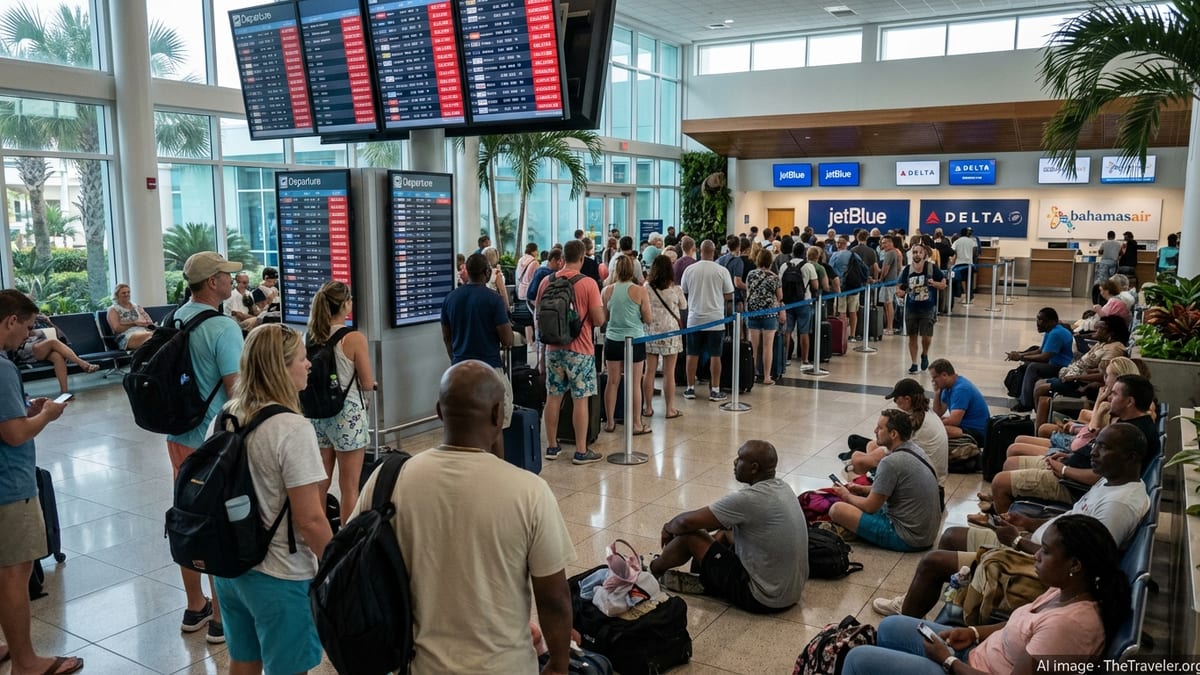
Weather Turmoil in the U.S. Reverberates in the Bahamas
The disruption at Lynden Pindling International Airport in Nassau on February 22 comes as Winter Storm Hernando bears down on the U.S. East Coast, prompting widespread schedule changes by major carriers. Delta has been proactively canceling flights at Northeast hubs such as Boston, New York JFK and LaGuardia to protect operations and crews, while a broad travel advisory warns of likely delays and cancellations across multiple airlines.
Though Nassau itself is experiencing typical late-winter conditions, its tight integration with U.S. airline networks leaves it highly exposed to weather events thousands of kilometers away. Aircraft and crews that would normally rotate through East Coast cities before continuing to the Bahamas have instead been grounded or reassigned, creating bottlenecks that show up hours later on departure boards in Nassau’s terminals.
Airport operations staff in Nassau are contending with both aircraft that cannot depart for weather-affected destinations and inbound flights that never leave their origin airports. That two-sided squeeze has contributed to a tally of around 11 cancellations and numerous late departures and arrivals involving several carriers serving Lynden Pindling, notably JetBlue, Delta, Bahamasair and other regional operators.
Travelers arriving at the airport on Sunday reported long lines at airline counters and gate areas, with passengers crowding departure lounges while they waited for updates. Many had already experienced delays on their inbound segments from U.S. cities before confronting fresh uncertainty in Nassau.
Key Routes Affected: U.S. Hubs and Out Islands Hit Hard
The most affected routes at Lynden Pindling International Airport involve trunk connections to major U.S. hubs and vital domestic links to the Bahamian Out Islands. Delta’s service between Nassau and Atlanta, a core gateway for U.S. and international connections, has experienced knock-on schedule issues as the carrier rebalances its fleet to deal with weather in the Northeast and wider network congestion.
JetBlue, which relies heavily on East Coast gateways such as New York and Boston for its Bahamas services, has also been drawn into the turbulence. With those airports under winter weather advisories, flights feeding Nassau are vulnerable to last-minute ground holds, extended de-icing times and air traffic control flow restrictions that can cascade into significant delays or, in some cases, same-day cancellations.
Closer to home, Bahamasair’s role as a lifeline carrier to the Out Islands has underscored the domestic impact of the disruption. Recent flight history shows a pattern of extended delays on routes between Nassau and islands such as New Bight on Cat Island and Stella Maris on Long Island, where delays have stretched beyond an hour as the airline copes with aircraft and crew rotations under strain.
These delays mean that residents and visitors who rely on short-hop flights for medical appointments, business travel and resort transfers are facing missed connections and changed plans. For travelers trying to reach smaller islands after an international arrival in Nassau, a single delayed or canceled segment can quickly turn into an unplanned overnight stay in the capital.
Eleven Cancellations Signal Strain Across Multiple Airlines
By late afternoon Sunday, operational data pointed to around 11 flight cancellations touching Lynden Pindling, involving a mix of U.S. mainline carriers, regional partners and Bahamas-based operators. While that number is modest compared with the mass disruptions at some large U.S. hubs, it is significant for a mid-sized Caribbean gateway at the height of the winter tourism season.
JetBlue and Delta have each trimmed portions of their Nassau schedules as part of broader network adjustments linked to Winter Storm Hernando and other systemwide pressures. For some flights, carriers have opted for preventative cancellations rather than attempting to operate with tight turnaround times and limited recovery options, a strategy aimed at avoiding rolling delays late into the evening.
Bahamasair, operating a smaller but strategically important fleet, faces a different challenge. Aircraft that arrive late into Nassau because of earlier schedule hiccups can immediately push back departure times for subsequent segments. When a delay becomes severe enough, the carrier may be forced to cancel the last rotation of the day to ensure crews remain within duty-time limits, further adding to the cancellation count seen on Sunday.
Other airlines serving Nassau with limited daily frequencies, including select U.S. and regional carriers, have also had to consolidate or cancel rotations where demand could be accommodated on remaining flights or where equipment simply could not be rerouted in time. In each case, a single cancellation in Nassau often reflects a series of upstream decisions made at much larger hubs.
Knock-on Effects for Tourism and Local Businesses
The timing of Sunday’s disruption is particularly sensitive for the Bahamas, which depends heavily on air access during the peak winter travel season. With resorts operating near capacity and many visitors planning short, high-value stays, even a one-day interruption at a key gateway can ripple through hotel occupancy, excursion bookings and onward travel arrangements.
Tourism operators in Nassau and on the Out Islands report that delayed arrivals have forced the rescheduling of boat charters, diving trips and guided tours, while some guests have had to forgo prepaid activities altogether. For small businesses that rely on daily turnover from visitors, a wave of late arrivals or last-minute cancellations can compress revenue into fewer operational hours or wipe out expected bookings for an entire day.
Local residents are also feeling the impact. Many Bahamians use weekend flights out of Nassau for shopping trips, medical visits or family events in Florida and other U.S. states. When flights are canceled with little notice, those plans can quickly unravel, creating added costs for extra hotel nights and rebooked services that are not always fully reimbursed.
In smaller island communities, delayed or canceled flights from Nassau can temporarily interrupt the flow of cargo, mail and essential supplies. Though Sunday’s disruption is not on the scale of a major hurricane or long-term closure, even short-lived turbulence in the flight schedule can highlight how dependent the archipelago is on the reliability of air links.
Passenger Experience: Long Queues, Limited Information
Inside Lynden Pindling’s terminals, the operational stress has translated into a frustrating day for travelers. Airline check-in counters have faced rushes of passengers seeking to rebook after cancellations or missed connections, while gate areas have filled with travelers watching departure boards for time changes and gate swaps.
Some passengers who began their journeys at U.S. airports already affected by weather reported being rebooked multiple times before even reaching Nassau. Others arrived to find that their onward flights to Out Islands were already significantly delayed, forcing them to scramble for backup plans or accommodation in the capital.
Information, as is often the case during fast-evolving disruption, has not always kept pace with events. While carriers encourage customers to monitor mobile apps and automated notifications for updates, not all travelers have reliable connectivity or are familiar with digital tools. For them, the only option has been to join snaking lines at customer service desks, where staff juggle rerouting, hotel arrangements and questions about refunds or vouchers.
Airport staff and airline agents on the ground have sought to manage expectations by explaining the broader weather situation in the United States and the limits it places on what can be fixed locally. Even so, the sight of flight information screens flashing the words “canceled” and “delayed” across multiple airlines has left many travelers anxious about when they will finally be able to move.
How Airlines and the Airport Are Responding
Airlines operating at Lynden Pindling have been leaning on standard disruption playbooks to cope with Sunday’s turmoil. Delta and other U.S. carriers have activated travel waivers for customers ticketed through affected East Coast cities, allowing them to shift their journeys without change fees, a measure designed to reduce peak-day congestion and spread demand more evenly across the travel window.
JetBlue and regional partners are adjusting aircraft assignments and, where possible, upgauging certain flights to accommodate passengers from canceled services. The strategy aims to consolidate demand and restore some schedule integrity by operating fewer but fuller flights until the system stabilizes after the storm’s peak impact.
Bahamasair, with its extensive domestic reach, is prioritizing connections that link Nassau to key population centers and tourism markets on the islands. When delays stack up, the airline has been selectively trimming less time-sensitive rotations to preserve capacity on routes that would otherwise leave communities isolated or leave large tour groups stranded.
At the airport level, operations teams are coordinating gate assignments to reduce congestion and relying on updated arrival forecasts from airlines to plan staffing at security, customs and baggage handling. While the airport does not control airline scheduling decisions, its ability to manage passenger flow and ground handling can ease some of the visible strain when multiple delayed flights arrive in tight clusters.
Advice for Travelers Headed to or from Nassau
With weather-related disruption expected to persist across parts of the United States into early next week, travelers with upcoming flights through Nassau are being urged to stay flexible and informed. Airlines advise checking flight status frequently on official channels and considering voluntary rebooking if itineraries pass through cities directly affected by Winter Storm Hernando.
Passengers connecting in Nassau to Out Island destinations should build in additional buffer time where possible, recognizing that short-haul segments are particularly vulnerable when a single delayed aircraft is scheduled to operate several flights in succession. Booking the earliest available departure in the day can also improve odds of successful travel, as airlines have more room to recover from early issues before nightfall.
Travelers already at Lynden Pindling who face cancellations are encouraged to work simultaneously across digital and in-person channels: using airline apps to search for alternative flights while standing by to speak with an agent who can help finalize changes. Keeping receipts for meals, hotels and ground transport can support later reimbursement claims where airline or travel insurance policies allow.
For visitors on tightly scheduled vacations, local tourism officials recommend contacting hotels and tour providers as soon as a delay seems likely, both to protect bookings and to explore options for shifting activities. While disruptions of Sunday’s scale are disruptive, early communication can soften the blow for both travelers and the businesses that depend on them.
Broader Pattern of Regional Disruptions
The turmoil in Nassau on February 22 forms part of a broader pattern of travel disruption this winter across North America and the Caribbean. In recent weeks, major U.S. hubs such as Atlanta and Fort Lauderdale have reported hundreds of delays and dozens of cancellations in single days as airlines grapple with adverse weather, air traffic constraints and lingering operational challenges.
Earlier this season, the Caribbean aviation network also endured severe strain when Hurricane Melissa forced airlines including JetBlue, Delta and Bahamasair to cancel scores of flights and left thousands of travelers stranded across multiple islands. While Sunday’s issues at Lynden Pindling are driven by a different weather system and are on a smaller scale, the episode highlights the ongoing vulnerability of regional air travel to external shocks.
For the Bahamas, the latest wave of cancellations and delays underscores the importance of building resilience into both aviation infrastructure and tourism planning. From clearer passenger communication tools to stronger contingency arrangements with airlines and tour operators, stakeholders see room to reduce the impact of unavoidable weather events on visitors and residents alike.
As Winter Storm Hernando continues its sweep across the eastern United States, airline networks will remain under pressure, and travelers heading through Nassau and other Caribbean gateways are likely to feel some of that strain. How quickly operations at Lynden Pindling return to a normal rhythm will depend not only on local conditions in the Bahamas, but also on how fast skies clear and schedules stabilize far to the north.