

More news on this day
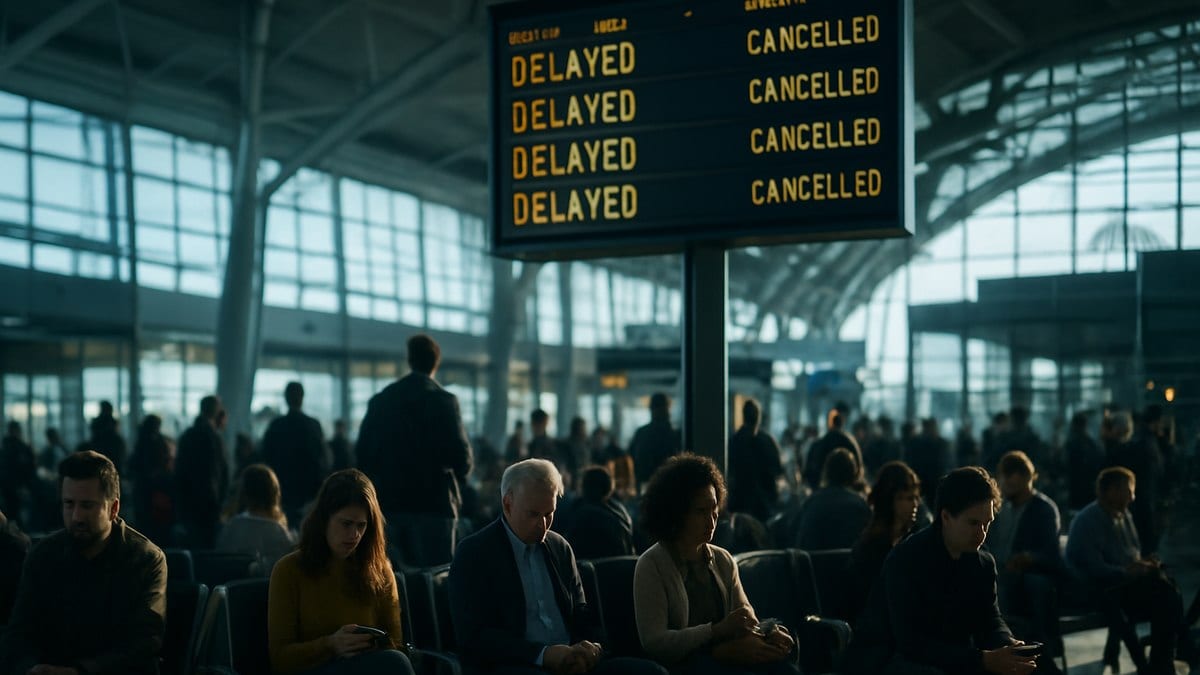
Spring travelers passing through Hartsfield-Jackson Atlanta International Airport faced another turbulent day after 73 flight cancellations and hundreds of delays rippled across one of the world’s busiest hubs, snarling connections across the United States and overseas on April 7.
Get the latest news straight to your inbox!
Atlanta Hub Struggles Under Renewed Disruption
Publicly available tracking data for April 7 indicates that Atlanta’s main airport recorded 73 canceled departures and arrivals alongside roughly 300 to 330 delayed flights, placing the hub among the hardest hit in the country for the day. The disruption came at the height of the spring travel period, when heavy passenger volumes leave little slack in airline schedules.
Reports indicate that the ripple effects were felt far beyond Georgia. Routes to major domestic destinations such as New York, Chicago, Miami and Orlando, as well as transatlantic services to Europe, experienced knock on delays as aircraft and crews scheduled to pass through Atlanta fell out of position. Passengers on multi leg itineraries often saw missed connections compound initial delays of less than an hour into significant arrival time changes.
The latest wave of disruption follows several days of weather related instability across the national network, with storms sweeping through portions of the Midwest and Southeast in recent weeks and prompting widespread schedule adjustments. In this context, Atlanta’s role as a central connecting point magnified the impact of each scrapped or delayed departure.
Spring Weather and a Fragile Flight Network
Early spring is typically associated with improved flying conditions compared with winter, but this year the shoulder season has brought its own challenges. Recent storm systems crossing the central and eastern United States have produced a mix of heavy rain, low clouds, strong winds and localized thunderstorms, all conditions that can trigger flow restrictions and temporary ground pauses at major hubs.
According to published coverage, operations at Hartsfield-Jackson have been strained repeatedly since March by weather driven slowdowns and high demand, with the airport regularly appearing near the top of national tallies for delays and cancellations. When air traffic control imposes spacing requirements or brief ground stops, even modest reductions in hourly capacity can force airlines to trim flights or accept rolling delays across the day.
Industry data and past seasons show that modern airline networks function on tight margins, especially during peak leisure periods. Aircraft often fly nearly full and are scheduled for quick turnarounds, leaving little buffer when storms or congestion disrupt a few key flights. In Atlanta, that fragility translates quickly into long lines at departure gates, crowded concourses and extended waits at customer service desks as carriers work through backlogs.
Knock On Effects for Airlines and Travelers
Atlanta serves as a primary hub for several major carriers and a focus city for others, meaning disruption at the airport can cascade through entire route maps. On April 7, cancellations and delays at Hartsfield-Jackson affected flights operated by large network airlines and smaller regional partners alike, touching everything from short haul domestic hops to long haul international services.
Published flight boards and online status tools showed waves of late running departures throughout the day, as airlines attempted to recover schedules while balancing aircraft rotations and crew duty limits. Some flights were consolidated or rerouted, while others were cancelled outright when delays became too long to operate within crew time regulations.
For passengers, the operational juggling often translated into hourslong waits and last minute rebookings. Travelers reported missed weddings, vacations shortened by a day or more, and business trips compressed into tighter windows. Families returning from spring break faced uncertain return times, while outbound holidaymakers scrambled to salvage hotel stays, tours and cruise departures dependent on timely arrivals.
Passenger Rights and Limited Recourse
Consumer advocates note that the cause of a cancellation or delay plays a central role in what assistance travelers can expect. Under current U.S. regulations, airlines are generally not required to provide compensation when disruptions are attributed to weather or air traffic control constraints, though carriers may still offer meal vouchers, hotel rooms or flexible rebooking as a goodwill measure.
Publicly available guidance from travel rights organizations emphasizes that passengers should distinguish between issues considered outside an airline’s control, such as severe storms, and those within its control, such as mechanical problems or crew scheduling shortfalls. The latter category may open the door to stronger obligations for care, including rebooking on the next available flight and, in some cases, reimbursement for certain out of pocket costs.
In the case of Atlanta’s latest disruption, reports point primarily to weather related pressure on the broader network combined with the hub’s heavy spring traffic. That combination typically limits formal compensation options even as travelers bear the brunt of missed events, added expenses and increased stress at already busy terminals.
How Travelers Can Navigate Ongoing Volatility
With the spring travel season still underway and summer bookings building, observers expect further pockets of volatility at major U.S. hubs, particularly when fast moving storm systems intersect with peak demand weekends. Atlanta’s experience on April 7 illustrates how quickly conditions can shift from routine to highly disrupted when schedules are tightly packed.
Travel specialists frequently recommend that passengers passing through hub airports build additional time into itineraries, favor earlier departures where possible and monitor flight status continuously through airline apps and airport displays. Those strategies cannot eliminate the risk of cancellations, but they can improve the odds of securing alternative options when problems arise.
Travel industry analysis also highlights the value of understanding basic contract terms and airline policies in advance. Knowing whether a ticket is flexible, how same day changes work and what assistance is typically offered in weather disruptions can help travelers make faster decisions in crowded terminals when hundreds of others are seeking help at the same time.
For now, the 73 cancellations recorded in Atlanta serve as a reminder that even outside the harshest winter conditions, the U.S. air travel system remains highly sensitive to weather, congestion and operational strain. As spring storms continue to pulse across the country, passengers connecting through key hubs such as Atlanta may need to prepare for more days of unpredictable skies and shifting departure boards.