

More news on this day
Hundreds of travellers across Australia and New Zealand are facing long queues, missed connections and overnight airport stays after a fresh wave of disruption triggered 49 flight cancellations and 628 delays across major hubs in both countries, hitting services operated by Qantas, Jetstar, Alliance Airlines, Air New Zealand and other carriers.
Major Hubs from Sydney to Auckland Buckle Under Strain
The latest disruption has been most visible at the region’s biggest gateways, where already busy schedules left little room to absorb sudden shocks. In Australia, Sydney and Melbourne reported some of the heaviest impacts, with dozens of departures and arrivals pushed back or scrapped entirely as airlines and airport operators scrambled to reshuffle crews and aircraft.
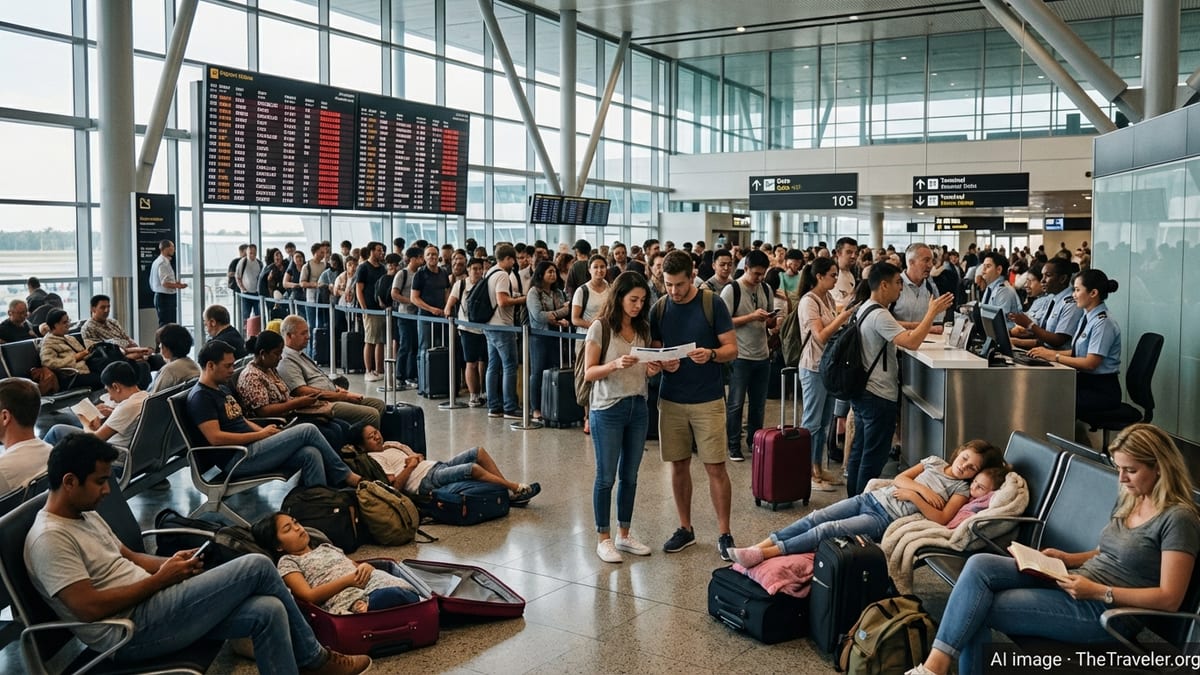
At Sydney, long lines formed at check in and rebooking counters as passengers tried to secure seats on later services. Travellers reported departure boards densely packed with delayed flights, many pushed back by more than an hour. For those with onward international connections, the knock on effect proved particularly painful, forcing costly last minute changes to hotel and tour bookings.
Melbourne’s Tullamarine Airport also saw significant disruption, with a cluster of cancellations in the domestic terminals and rolling delays on key routes to Brisbane, Sydney and New Zealand. Airport staff were deployed to manage crowd flows and direct stranded passengers to customer service points as morning delays spilled into the afternoon.
Across the Tasman, New Zealand’s main gateways in Auckland and Wellington reported mounting congestion as late running flights rippled across domestic and trans Tasman networks. Auckland, the country’s busiest international airport, saw multiple services from Australia arrive late, compressing turnaround times and pushing subsequent departures behind schedule.
Qantas, Jetstar, Alliance and Air New Zealand at the Center of Disruptions
A broad mix of full service and low cost carriers has been swept up in the disruption, but several names repeatedly dominate delay and cancellation tallies. Qantas and its regional offshoot QantasLink have once again accounted for a significant share of affected flights, alongside budget operator Jetstar in both Australia and New Zealand.
In Australia, Qantas and Jetstar bore the brunt of delays on high frequency domestic corridors linking Sydney, Melbourne and Brisbane, while QantasLink and Alliance Airlines saw schedules on thinner regional routes squeezed. The grounding of multiple regional services had an outsized impact, leaving some smaller communities facing long gaps between flights and limited options for rerouting.
Across New Zealand, Air New Zealand services through Auckland, Wellington and Christchurch recorded mounting delays as late inbound aircraft and crew duty limits complicated efforts to keep timetables intact. While outright cancellations were fewer than in Australia, the cumulative effect of short delays across dozens of services left many passengers arriving at their destinations hours later than planned.
Industry observers note that the current wave of disruption has hit carriers that already face intense scrutiny over reliability, particularly Qantas and Jetstar, which have both contended with public criticism and regulatory pressure in recent years over on time performance and customer service during irregular operations.
Knock On Impacts for Tourism, Business and Local Economies
The timing and concentration of flight disruptions at key entry points is expected to reverberate across tourism and local economies on both sides of the Tasman. Sydney and Melbourne, Australia’s two largest visitor gateways, saw hundreds of passengers forced to alter or abandon carefully planned itineraries, from city breaks and coastal road trips to visits to regional wine regions.
For inbound tourists, late arrivals often translate into missed hotel check ins, forfeited deposits and rescheduled tours. Operators in popular districts such as Sydney’s harbourfront precincts and Melbourne’s central laneways rely heavily on tight turnaround stays, meaning even a single lost night can dent revenue in what should be a busy late summer trading period.
In New Zealand, the delays at Auckland and Wellington threaten to disrupt connections to key holiday destinations, including North Island beach towns and South Island adventure hubs accessible via Christchurch and regional airports. With many visitors booking rental cars and domestic transfers to align with specific flights, cascading delays can quickly unravel multi stop itineraries and reduce discretionary spending on dining, attractions and activities.
Business travellers and fly in fly out workers have also been caught up in the turmoil. Late running flights on weekday mornings and evenings can derail meetings, contract work and project timelines, particularly on routes linking Australia’s state capitals with mining and agricultural centres that depend heavily on consistent air links.
Frustrated Passengers Face Long Queues and Limited Options
For affected passengers, the most visible expression of the crisis has been the sight of packed terminals and snaking queues at airline service desks. Many travellers reported waits of more than an hour to speak with staff about rebooking options, with some being offered flights departing the following day or routed through alternate cities.
Families travelling with young children and older passengers were especially vulnerable, struggling to secure accommodation near airports at short notice as nearby hotels filled quickly. Others opted to sleep in terminal seating rather than risk missing early morning rebooked flights, contributing to a sense of fatigue and frustration throughout the concourses.
While some airlines issued meal vouchers or arranged hotel rooms, assistance varied widely by carrier and ticket type. Passengers on cheaper fares or flying on separate tickets for connecting journeys often found themselves with fewer protections, left to negotiate directly with hotels and travel insurers for reimbursement.
Social media channels filled with images of crowded departure halls in Sydney, Melbourne, Auckland and Wellington, as well as accounts of missed weddings, cruises and family reunions. For many, the disruption reinforced concerns about the fragility of aviation networks in the region, particularly during peak travel periods.
Weather, Staffing and Network Complexity Behind the Chaos
Aviation experts point to a combination of factors behind the wave of cancellations and delays, including adverse weather, staffing challenges and the tightly wound nature of modern airline schedules. Even short bursts of heavy rain, low cloud or strong winds at a major hub can trigger flow control measures that slow arrivals and departures, quickly backing up flights across a network.
At the same time, air traffic control and ground handling teams in both Australia and New Zealand continue to grapple with staffing constraints, a legacy of the pandemic era followed by rapid demand recovery. When sickness or unexpected absences collide with peak travel days, there is often limited spare capacity to absorb delays without cancelling some services outright.
Airlines themselves operate finely balanced fleets and rosters, particularly on busy domestic and trans Tasman corridors. When a single aircraft goes out of rotation due to technical checks or weather related diversions, subsequent flights can be affected for much of the day. Crew duty time limits further restrict how long pilots and cabin crew can continue working, forcing cancellations if replacements are not available.
These structural pressures have left carriers vulnerable to recurring bouts of disruption, with each new incident eroding public confidence and intensifying calls for more resilient planning from both airlines and aviation authorities.
What Travellers Can Do if Their Flight Is Affected
Consumer advocates and travel industry groups are urging passengers caught up in the latest disruption to understand their rights and to act quickly when schedules start to slip. The first step, they say, is to monitor flight status closely using airline apps and airport information screens, and to sign up for automated alerts where available.
Travellers whose flights are cancelled or significantly delayed should approach their airline as soon as possible to discuss rebooking options, refunds or alternative routing. Some carriers will place passengers on the next available service at no extra cost, while others may offer travel credits. The options can differ based on the cause of the disruption and the fare type purchased.
Passengers are also encouraged to keep receipts for meals, ground transport and emergency accommodation incurred as a direct result of delays or cancellations, as these may be claimable through travel insurance policies or, in some cases, airline goodwill arrangements. Keeping essential items and medications in carry on baggage remains critical in case checked luggage becomes separated during unplanned rerouting.
With seats on alternative flights often filling quickly during major disruption events, being flexible with routing and departure times can improve the chances of securing a timely replacement journey. Some travellers have chosen to reroute via secondary airports such as Brisbane or Christchurch when direct services from Sydney, Melbourne, Auckland or Wellington were unavailable.
Growing Pressure on Airlines and Regulators to Improve Reliability
The latest bout of cancellations and delays is likely to fuel renewed debate about airline reliability and consumer protections in Australia and New Zealand. Passenger groups have repeatedly called for clearer compensation rules and minimum standards of care during severe disruption, arguing that travellers shoulder too much of the financial and emotional burden when networks unravel.
Airlines, for their part, have highlighted the complexity of managing large, interconnected route networks in a region prone to weather variability and long sector lengths. Executives argue that they are investing in new aircraft, upgraded scheduling systems and staff recruitment to strengthen resilience, even as they contend with cost pressures and lingering supply chain constraints.
Regulators and transport ministries in both countries face mounting questions over how to balance the commercial realities of aviation with expectations of reliable public transport links. Proposals have ranged from stricter reporting of on time performance data to potential reforms of consumer law covering flight disruption and refunds.
As stranded travellers in Sydney, Melbourne, Auckland, Wellington and other affected cities wait for their flights to depart, the broader aviation industry is confronting a familiar challenge: how to restore trust in air travel when even a single day of disruption can leave thousands of journeys in disarray.