

More news on this day
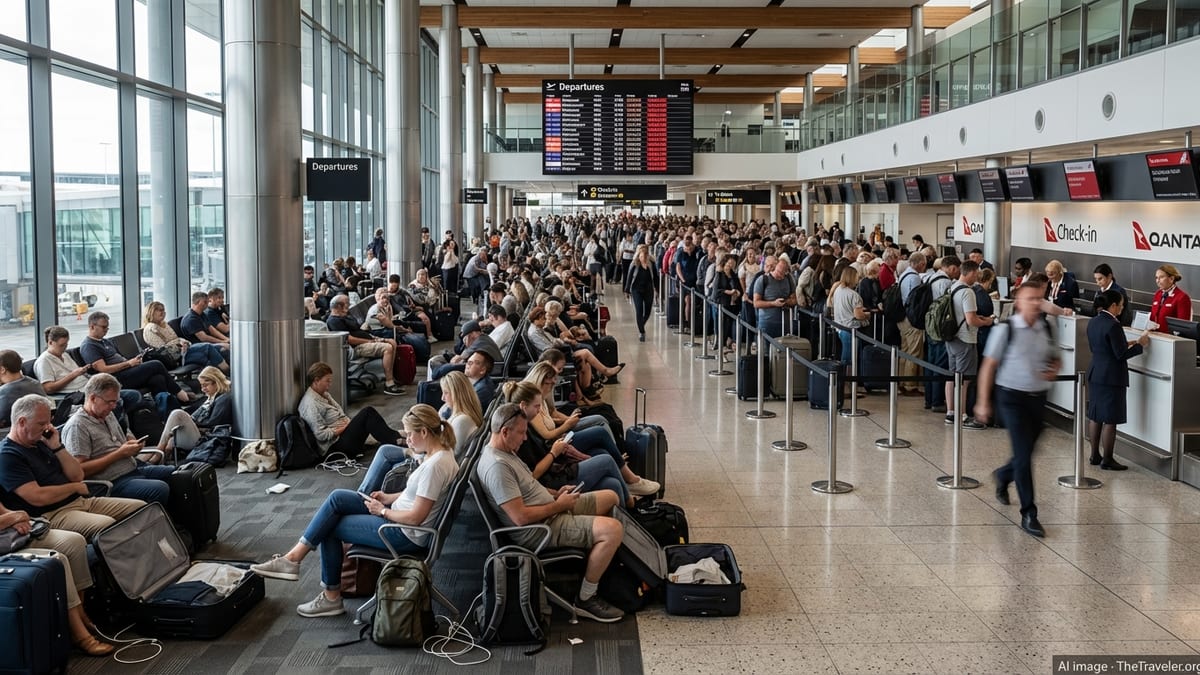
Hundreds of passengers were left stranded across New Zealand today as severe disruption at Auckland, Christchurch, Napier, and Wellington airports led to 53 flight cancellations and 167 delays affecting multiple international and domestic carriers.
Get the latest news straight to your inbox!
Major Hubs Across New Zealand Hit by Wave of Disruptions
Reports from airline tracking services and local media indicate that Auckland, Wellington, Christchurch, and Napier all experienced significant schedule disruption today, forcing the cancellation of 53 services and delaying a further 167. The disruption affected morning and afternoon peaks, with knock-on delays persisting into the evening.
Auckland, the country’s busiest international gateway, appeared to bear the brunt of the impact, with both domestic and long haul departures reportedly pushed back or scrubbed from schedules. Christchurch and Wellington also recorded clusters of delayed and cancelled services, while Napier, a smaller regional airport, saw several key links into the national network disrupted.
Publicly available flight-status boards showed a dense pattern of late departures, rolling delays, and cancelled sectors, painting a picture of a system struggling to recover as aircraft and crew were displaced around the country. Travellers posting on social media and online forums described terminals filling quickly, long rebooking queues, and uncertainty over when services would resume normal timing.
Multiple Airlines Affected Across Domestic and International Routes
The disruption rippled through a roster of major carriers that operate in and out of New Zealand’s main hubs. Air New Zealand, which dominates the domestic market and operates numerous trans Tasman and long haul services, appeared particularly exposed as network aircraft cycling through the four affected airports fell behind schedule.
Internationally, services operated or marketed by Qantas, Singapore Airlines, Emirates, Jetstar, and Fiji Airways also showed delays or schedule changes on public tracking tools. According to published coverage, a mix of code share arrangements and shared terminal infrastructure meant that issues affecting one operator quickly translated into timetable changes for partner airlines.
On several trans Tasman and Pacific routes, passengers reported missed onward connections and rebookings onto later services, highlighting how even a relatively contained number of cancellations can reverberate through long distance itineraries. With certain aircraft types and crews tightly rostered, a disruption at one New Zealand gateway frequently resulted in delays appearing hours later at destinations across Australia and beyond.
Stranded Travellers Face Long Queues and Limited Rebooking Options
Accounts from travellers on social platforms and travel forums described families sleeping in terminal seating, business travellers scrambling to reschedule meetings, and holidaymakers watching tightly planned itineraries unravel. At peak periods, rebooking desks and airline service counters reportedly struggled to keep pace with the volume of disrupted itineraries.
Some passengers reported being offered same day alternatives only late in the evening, while others were advised that the next available seats were not until the following day or later in the week on busy domestic sectors. For those with separate onward tickets, particularly on international itineraries, the disruption raised concerns about missed long haul departures and the cost of last minute rebooking.
Accommodation became a further pressure point in gateway cities as travellers sought overnight options near airports. Public commentary suggested that while some passengers were reprotected onto different services or provided hotel arrangements, others were left to navigate their own backup plans using travel insurance, credit card benefits, or personal funds.
Underlying Strain on New Zealand’s Aviation Network
The day’s events unfolded against a backdrop of wider pressure on New Zealand’s aviation system. Recent public reporting has highlighted ongoing challenges around crew availability, aircraft maintenance windows, and higher operating costs, all of which can reduce an airline’s ability to recover quickly when disruption strikes.
New Zealand government transport statistics published over recent months have already pointed to a softening in on time performance across some domestic routes, with weather sensitive airports such as Wellington and regional gateways experiencing a noticeable share of delays and cancellations. Industry commentary has suggested that tight schedules and limited spare capacity mean that even relatively minor disruptions can escalate into widespread network issues.
Rising fuel prices, global supply chain issues affecting spare parts, and intense competition on key international and trans Tasman routes have also been cited in previous analyses as factors constraining flexibility. Today’s pattern of cascading delays across multiple carriers appeared to underscore how interconnected and vulnerable the system can be when several hubs are affected simultaneously.
What Passengers Can Do When Flights Are Cancelled or Delayed
Travel experts regularly advise passengers caught in large scale disruption to check their flight status directly through airline apps or airport information boards before heading to the terminal, and to keep boarding passes and receipts for any extra expenses. Publicly available consumer guidance in New Zealand notes that rights and remedies depend on whether delays are within an airline’s control, such as staffing or mechanical issues, or stem from external factors like weather.
For travellers whose plans are time sensitive, same day options can sometimes be found by considering alternative New Zealand airports or nearby cities, although today’s disruption across multiple hubs limited that flexibility. Where no acceptable alternative is available, airline conditions of carriage and local consumer rules may provide for refunds, credits, or reimbursement of reasonable costs, particularly when the root cause is within the carrier’s control.
Insurance policies and credit card travel protections can provide an additional layer of support, but these products often include specific exclusions around weather or preexisting operational issues. Travellers are encouraged in public advisories to review policy wording closely and document conversations and confirmations in writing whenever possible.
With demand for both domestic and international travel forecast to remain high into the Southern Hemisphere winter, today’s events serve as a reminder of the fragility of air schedules in a tightly run system. For now, hundreds of affected passengers around New Zealand are focused on one priority: finding a way to reach their destinations after an unexpectedly turbulent day on the ground.