

More news on this day
Passengers at Hartsfield-Jackson Atlanta International Airport faced widespread disruption today as 11 flights were reported cancelled and 219 delayed, stranding travelers and creating knock-on effects across some of the busiest routes in the United States.
Get the latest news straight to your inbox!
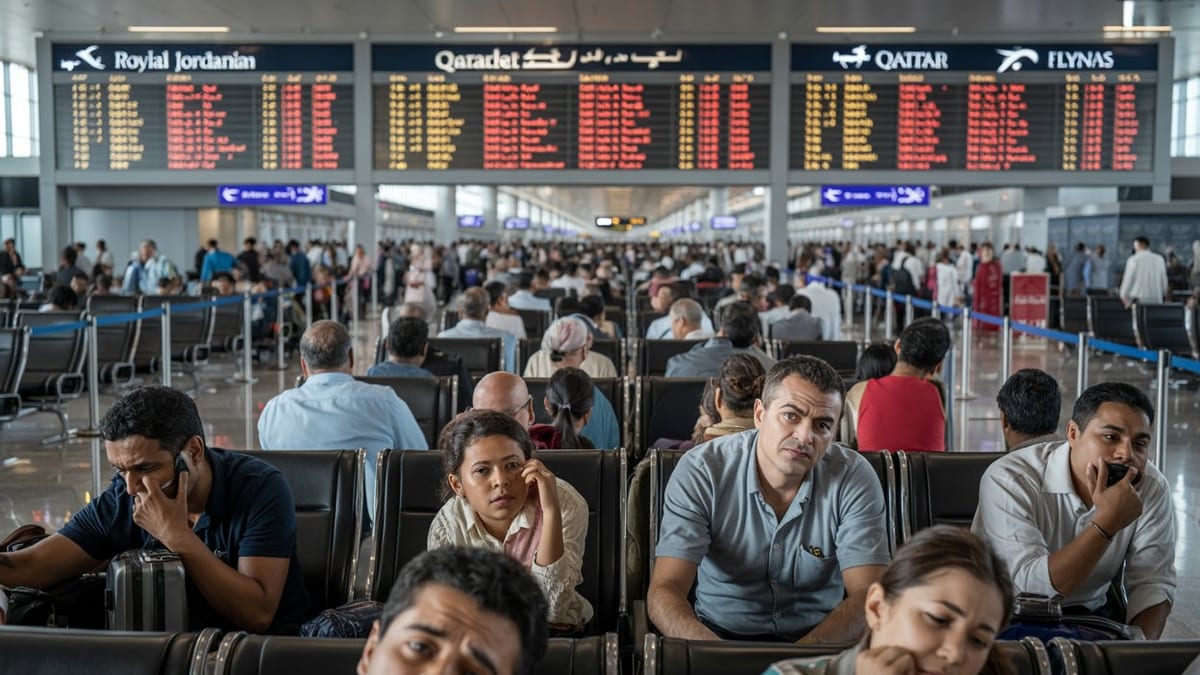
Image by Travel And Tour World
Significant Disruptions Across Major Domestic Routes
Publicly available flight tracking data for today indicates that operations at Hartsfield-Jackson were heavily affected, with a concentrated cluster of cancellations and a far larger number of delayed departures and arrivals. The disruption has affected a mix of domestic and connecting services that typically make Atlanta one of the country’s most important transfer hubs.
Flights to and from major destinations including New York, Los Angeles, Chicago and Miami were among those impacted, according to online airport and airline status boards. Delays on these trunk routes can quickly ripple across airline networks, affecting subsequent legs and leaving aircraft and crews out of position for the rest of the day.
Travelers reported extended waits at departure gates and crowded terminal areas as updated departure times continued to shift. With relatively few outright cancellations compared with the large number of delayed services, many passengers opted to remain at the airport, adding to congestion in seating, concessions and customer service lines.
The pattern of disruption aligns with how Atlanta’s role as a national hub magnifies operational issues. Even a limited number of cancelled flights can cause missed connections, while delays on heavily used business and leisure routes such as those to New York and Los Angeles can reverberate throughout carrier schedules nationwide.
Impact on Delta, American, Southwest and Other Carriers
The disruption affected multiple airlines, including major carriers such as Delta Air Lines, American Airlines and Southwest Airlines, according to live schedule boards and widely used flight status services. Delta, which uses Atlanta as its primary hub, appeared particularly exposed to cascading delays as it worked to move large volumes of connecting traffic through the airport.
American Airlines and Southwest, though less dominant in Atlanta than Delta, also showed a series of delayed flights on routes linking the airport with major business centers. Additional smaller and regional operators reported schedule changes, reflecting the interconnected nature of operations at the country’s busiest airport by passenger volume.
Publicly available information suggests that some affected flights were operating with extended ground times in Atlanta, likely as airlines attempted to reassign aircraft and crews to maintain as much of the schedule as possible. This kind of tactical adjustment can reduce the need for further cancellations but often results in longer waits for passengers already at the gate.
Customer-facing channels, including airline mobile apps and online booking tools, showed rolling updates to departure and arrival estimates throughout the day. For travelers already en route to Atlanta or connecting through the hub later, these shifting times made planning onward journeys and ground transportation more challenging.
Operational Strain at the World’s Busiest Hub
Hartsfield-Jackson regularly handles more daily flights than any other airport in the world, and the concentration of services makes it especially sensitive to operational strain. Even a modest spike in delays or a relatively small batch of cancellations can cause visible disruption because of the sheer number of passengers passing through the terminals.
Reports indicate that gate areas in several concourses became congested as delayed flights held passengers for extended periods. Seating shortages, longer lines for food and limited access to power outlets for charging devices are common side effects when flight schedules compress into narrower windows of operation.
Ground operations at Atlanta appear to have been under pressure to turn aircraft quickly while accommodating both late arrivals and pushing out delayed departures. When too many aircraft need attention at once, routine processes such as baggage handling, fueling and catering can slow, contributing to additional late departures and missed connection windows.
Because many travelers use Atlanta primarily as a connecting point, the disruption likely created particular difficulties for those with tight layovers. Missed connections can lead to extended unplanned stays in the terminal, further increasing demand for rebooking assistance and same-day accommodation options.
Knock-on Effects for Travelers Nationwide
The impact of Atlanta’s delays is rarely confined to Georgia. Published coverage and historical data on similar events show that schedule problems at Hartsfield-Jackson can ripple outward to airports across the United States, as aircraft and crew positioning becomes misaligned with the planned timetable.
Routes linking Atlanta with New York, Los Angeles, Chicago and Miami sit at the center of many carriers’ domestic networks. Disruptions on these corridors can lead to additional delays in secondary markets served by the same aircraft later in the day, including smaller regional airports that rely heavily on connections via major hubs.
Travel experts often note that passengers on later flights, even from other cities, can experience delays indirectly tied to earlier disruptions in Atlanta. When an inbound aircraft arrives late from the hub, boarding, baggage loading and pushback all slide down the schedule, sometimes culminating in late-night arrivals and missed final connections.
For travelers with international itineraries beginning or ending in Atlanta, today’s disruption may also have implications. Tight connections between domestic feeder flights and long-haul services can be especially vulnerable when extensive delays build up, potentially forcing rebookings onto next-day departures where seats are available.
Advice for Affected Passengers
Based on patterns observed during previous disruption events at major hubs, travelers affected by today’s situation in Atlanta are likely to see the best results by monitoring their reservations closely and acting early when changes appear. Airline mobile apps and text alerts typically provide the fastest updates on gate changes, departure estimates and rebooking options.
Publicly available guidance from consumer travel organizations suggests that passengers facing significant delays should check whether they are entitled to complimentary rebooking, meal vouchers or overnight accommodation, depending on airline policy and the cause of the disruption. Policies differ between carriers, and many benefits are discretionary, but travelers who ask proactively are more likely to secure assistance.
Those with connecting flights through Atlanta later in the day or evening may find it useful to explore alternative routings if available, especially when traveling to or from heavily affected cities such as New York, Los Angeles, Chicago and Miami. In some cases, rerouting via another hub can reduce the risk of extended overnight delays.
Given Atlanta’s critical role in U.S. air travel, the effects of today’s cancellations and delays may continue into subsequent days as airlines work to restore normal aircraft and crew rotations. Travelers scheduled to pass through the airport in the near term may wish to build extra time into their plans and remain alert to further schedule adjustments.