

More news on this day
Hundreds of passengers have been stranded across Australia and New Zealand after a fresh wave of disruption triggered more than 1,150 flight delays and at least 35 cancellations at key hubs including Sydney, Melbourne, Auckland and Christchurch, snarling schedules for Jetstar, QantasLink, Air New Zealand and several smaller carriers.
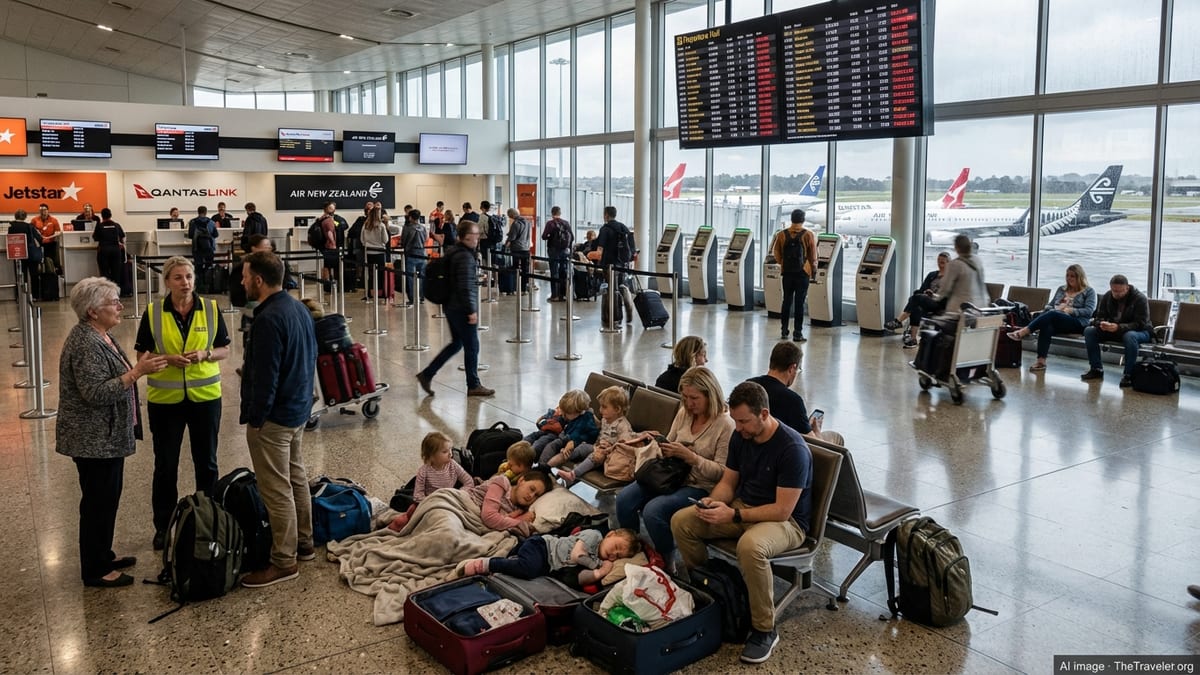
Major Hubs Buckle Under Mounting Delays
The latest operational snarl, recorded on February 28, has heaped fresh pressure on aviation networks already stretched by weather events, staffing constraints and peak leisure demand. Data from airport monitoring services shows extensive knock-on delays rippling across the Trans-Tasman corridor, with flights pushed back by anywhere from 30 minutes to several hours as airlines struggle to re-sequence aircraft and crew.
In Australia, congestion has been most visible at Sydney and Melbourne, where queues formed at check-in counters and security lanes through the morning peak and into the afternoon. Brisbane and Adelaide have also reported significant hold-ups, as delayed aircraft arriving from the southern capitals forced rolling timetable changes on domestic routes further north and west.
Across the Tasman, Auckland and Christchurch have faced similar gridlock, with Air New Zealand adjusting dozens of services to and from regional centres. While some departures eventually took off after extended waits, others were rolled into later flights or cancelled outright, leaving travellers scrambling to secure scarce seats on remaining services.
Real-time tracking indicates that approximately 1,150 flights across the Australia–New Zealand network have been affected by delay, with at least 35 cancelled outright. Aviation analysts note that such concentrated disruption on a single day can take 24 to 48 hours to fully unwind, particularly where aircraft and crew are out of position.
Jetstar, QantasLink and Air New Zealand Among Worst Hit
Low-cost carrier Jetstar appears to be among the hardest hit operators in this latest episode, reflecting its dense schedules and reliance on fast turnarounds at busy gates. At Sydney Airport, the airline accounts for the bulk of delayed departures and arrivals, as well as a cluster of cancellations on short-haul domestic and Trans-Tasman services.
Melbourne’s main terminal has seen similar patterns, with Jetstar responsible for most of the cancellations and a large share of delayed movements. Industry observers say high aircraft utilisation, while key to keeping fares low, leaves budget carriers especially vulnerable when a single disruption cascades across multiple rotations.
Regional specialist QantasLink has also faced significant timetable stress, particularly on routes feeding major capitals from secondary cities and inland centres. The carrier, already under scrutiny over planned regional crew base closures later this year, is contending with schedule reshuffles that have disrupted connections for business travellers and fly-in fly-out workers.
In New Zealand, Air New Zealand has borne much of the impact, especially at its Auckland hub. The flag carrier has reported several cancellations and scores of delays on domestic trunk routes and regional spokes, while Christchurch has seen its own wave of late-running arrivals and departures. The disruption has been especially challenging for travellers with multi-leg itineraries that rely on precise connections.
Passengers Face Long Queues, Missed Connections and Extra Costs
For travellers caught up in the disruption, the immediate picture has been one of long lines at customer service desks, nervous checks of departure boards and difficult decisions about alternative plans. Families returning from school holidays, business travellers on tight schedules and tourists on once-in-a-year trips have all been forced to juggle rebookings, last-minute accommodation and disrupted tours.
At Sydney and Melbourne, passengers reported waiting more than an hour to speak with airline staff as multiple flights were retimed in quick succession. In Auckland and Christchurch, travellers attempting to connect onward to regional centres have faced missed links and, in some cases, overnight stays until new seats could be found.
Consumer advocates in both countries note that out-of-pocket costs can quickly mount when journeys are severely disrupted. While airlines may offer meal vouchers, hotel rooms or partial refunds in some circumstances, support varies widely by carrier and by the cause of the delay, leaving many passengers to navigate complex conditions of carriage to understand what they are entitled to claim.
Travel insurers are bracing for a spike in claims for missed tours, prepaid accommodation and additional transport expenses. Policy wording, however, often distinguishes between delays caused by weather, technical faults or staffing issues, meaning some travellers could still be left with significant uncovered costs.
Operational Strains Expose Fragility in Regional Networks
The latest day of turmoil has again highlighted how fragile aviation networks remain on both sides of the Tasman, particularly in regional and secondary markets. Even minor schedule shocks at capital-city hubs can lead to cascading delays on thinner routes that have limited daily frequencies and little spare capacity.
Australia’s regional network has already been in the spotlight following recent scrutiny of QantasLink’s plans to close several crew bases from April 2026, a move unions warn could reduce resilience and flexibility in smaller markets. Any further thinning of staffing and aircraft resources, they argue, increases the likelihood of widespread disruption when unexpected weather or air traffic control constraints arise.
In New Zealand, heavy reliance on a single dominant carrier for many regional routes leaves communities particularly exposed when aircraft or crews are not where they are meant to be. With tourism-dependent towns still working to rebuild visitor numbers, sudden cancellations or lengthy delays can have outsized economic impacts, reducing weekend visitation and shortening already brief stays.
Aviation experts say carriers in both countries are working to bolster their operational buffer through additional spare aircraft, deeper pools of reserve crew and improved schedule planning. Yet they caution that any measures add cost in an industry where margins remain tight, particularly for low-cost and regional operators.
What Travellers Should Do If Their Flight Is Affected
With hundreds of flights disrupted and residual delays likely to linger into the weekend, airlines and airports are urging travellers to take a proactive approach. The most crucial step for anyone due to fly in the coming days is to monitor their booking closely via official airline apps and to enable notifications for last-minute changes.
Passengers already at the airport are being encouraged to use self-service tools, including kiosks and online rebooking options, wherever available, to avoid long queues at service counters. Many carriers will automatically reassign customers to the next available service in the same cabin, but seats on popular routes may remain scarce until operations stabilise.
Travel planners also recommend keeping all receipts for meals, transport and accommodation incurred as a direct result of flight disruption, in case these costs are later claimable through the airline or a travel insurance policy. Those holding flexible or refundable fares are advised to check whether shifting travel dates might be easier than waiting for heavily delayed services to depart.
With weather patterns growing more volatile and airlines running lean operations, industry analysts say episodes like this are likely to recur. For travellers in Australia and New Zealand, building in longer connection times, considering early-morning departures and maintaining flexible plans may now be an essential part of flying across the region.