

More news on this day
Hundreds of air travelers have been left stranded across Mexico after a fresh wave of cancellations and delays at the country’s busiest hubs disrupted operations for Volaris, VivaAerobus, American Airlines, United Airlines and other major carriers.
Get the latest news straight to your inbox!
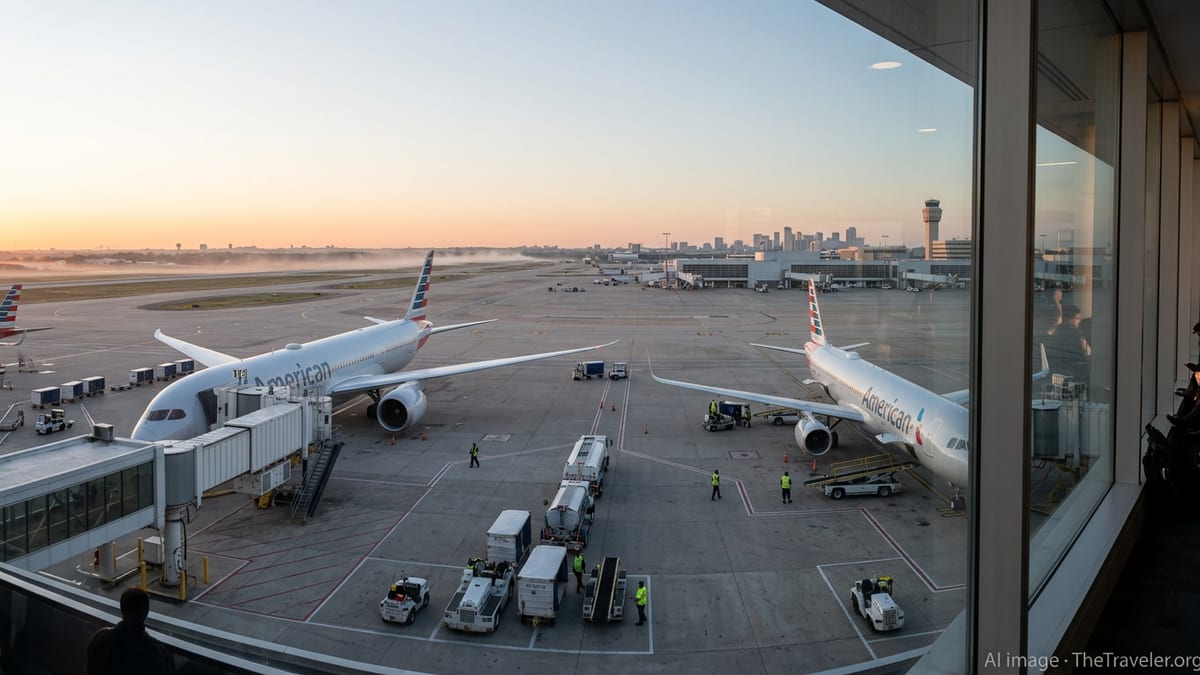
Wide Disruptions Across Mexico’s Busiest Airports
Publicly available flight tracking data and Mexican media coverage indicate that at least 24 flights were canceled and more than 180 were delayed across Mexico City, Cancún, Guadalajara and Monterrey within a recent 24 hour period. The disruption affected both domestic and international routes, creating long lines, missed connections and unplanned overnight stays for passengers.
Mexico City’s main airport and Cancún, the country’s leading leisure gateway, saw some of the heaviest disruption, but regional hubs Guadalajara and Monterrey were also impacted. Schedules for popular domestic corridors such as Mexico City to Cancún and Guadalajara to Cancún show cancellations and rolling delays, particularly on low cost operators.
Volaris and VivaAerobus, which dominate Mexico’s budget segment, appear heavily represented among the affected services, alongside major U.S. airlines such as American and United on cross border routes. Online status boards and aviation data providers show a patchwork of canceled departures and late arrivals across these carriers, with some flights removed from schedules on short notice.
While operations continued at all four airports, the combination of cancellations and late departures created bottlenecks at check in desks and boarding gates, leaving many passengers waiting hours for clarity on rebooking options.
Low Cost Carriers Under Pressure
The latest wave of disruption once again places Mexico’s low cost carriers in the spotlight. Volaris and VivaAerobus have significantly expanded their networks in recent years, adding dense point to point links between cities such as Monterrey, Guadalajara and Cancún. According to airline filings and recent schedule updates, Volaris alone now operates hundreds of domestic flights per day, often at high aircraft utilization levels.
Industry analysts note that this growth model can leave little margin when operational issues arise. If even a few rotations are disrupted by congestion, security checks, crew timing constraints or weather, delays can cascade quickly across the network. Flight status services already list individual Volaris routes between Guadalajara and Cancún as canceled on affected days, highlighting the vulnerability of busy leisure and visiting friends and relatives markets.
VivaAerobus faces similar challenges as it competes aggressively on price along key domestic corridors and between Mexico and the United States. Schedule data for flights such as Monterrey to Cancún shows frequent adjustments, with some services not operating every day despite being marketed as regular routes. Travelers on social media and consumer forums report last minute schedule changes and cancellations that complicate onward connections.
Although the current disruption also touches legacy carriers, the concentration of problems among high frequency, low cost operations underscores broader questions about resiliency during peak travel periods and in times of regional instability.
International Carriers and Cross Border Itineraries Affected
The knock on effects of the cancellations and delays are being felt beyond Mexico’s borders. American Airlines and United Airlines, which both operate extensive networks from U.S. hubs into Mexico City, Cancún, Guadalajara and Monterrey, appear among the carriers with disrupted services according to airline advisory updates and traveler reports.
In recent weeks, United has already issued multiple travel waivers tied to security operations and civil unrest affecting the state of Jalisco, including Guadalajara. Those waivers allowed passengers to rebook without change fees when services were disrupted. Although current alerts state that flight schedules have largely normalized in some regions, scattered cancellations and delays continue to complicate itineraries, particularly for travelers relying on tight connections through Guadalajara or other Mexican gateways.
American Airlines, which maintains major links from Dallas Fort Worth and other U.S. cities into Mexican destinations, has also seen scattered schedule changes. Travel industry monitoring shows that when flights into one Mexican hub are disrupted, passengers sometimes attempt to reroute through alternative cities such as Monterrey or Mexico City, adding pressure to airport infrastructure and airline operations there.
For international travelers, the most immediate impact is missed onward connections to the United States, Canada and Central America. Some passengers have had to secure overnight accommodation at their own expense while waiting for rebooked flights, particularly when alternative seats on high demand routes are scarce.
Security Operations, Capacity Limits and Weather Combine
The current pattern of disruption is playing out against a backdrop of broader operational challenges in Mexico’s aviation sector. Recent months have seen intensive security operations in parts of western Mexico, including Jalisco, which temporarily affected access to airports and led to widespread bus and flight cancellations earlier in the year. Official travel alerts and press reports at the time listed a range of airlines, including United and Volaris, among those canceling or adjusting services.
In parallel, Mexico City’s main airport continues to operate close to capacity. Past regulatory efforts to reduce congestion at the capital’s busiest hub have already limited the number of operations some carriers can perform. When irregular operations occur because of storms, airspace restrictions or security checks, airlines have less flexibility to absorb disruptions by simply adding extra flights or retiming departures.
Seasonal weather patterns also play a role. Thunderstorms and heavy rain along key coastal approaches can slow operations into Cancún and other resort airports, which in turn affects aircraft rotations onward to Guadalajara or Monterrey. Even when weather conditions improve quickly, crews may time out or aircraft may be out of position, forcing airlines to cancel specific legs rather than risk further network imbalances.
All of these factors create an environment in which even a modest spike in irregular operations can translate into dozens of cancellations and more than a hundred delays in a short window, as reflected in the latest data.
What Stranded Travelers Are Facing On The Ground
For passengers caught in the middle of the disruption, the experience is largely defined by uncertainty and long waits. Photos and descriptions shared on social platforms show crowded terminal halls at Mexico City and Cancún, with travelers gathered around departure boards as statuses shift from “on time” to “delayed” or “canceled.” Similar scenes have been reported at Guadalajara and Monterrey, which serve as essential domestic hubs and growing international gateways.
Some travelers with domestic itineraries have reportedly resorted to long distance buses or rental cars when flights between major cities such as Guadalajara, Monterrey and Cancún were canceled. However, recent civil unrest and periodic highway closures in certain regions have made overland travel less predictable, pushing more passengers to wait for scarce replacement seats on later flights instead.
Consumer advocates in Mexico regularly advise travelers to document disruptions carefully and to review their rights under Mexican aviation regulations, which can provide compensation or assistance in specific circumstances such as significant delays or cancellations attributable to the airline. In practice, obtaining compensation can be time consuming, and outcomes often vary depending on whether the disruption is linked to factors considered outside the carrier’s control.
With airlines juggling operational constraints and passengers scrambling for alternatives, the current wave of cancellations and delays illustrates how quickly travel plans can unravel across Mexico’s interconnected aviation network, particularly on high density routes involving Mexico City, Cancún, Guadalajara and Monterrey.