

More news on this day
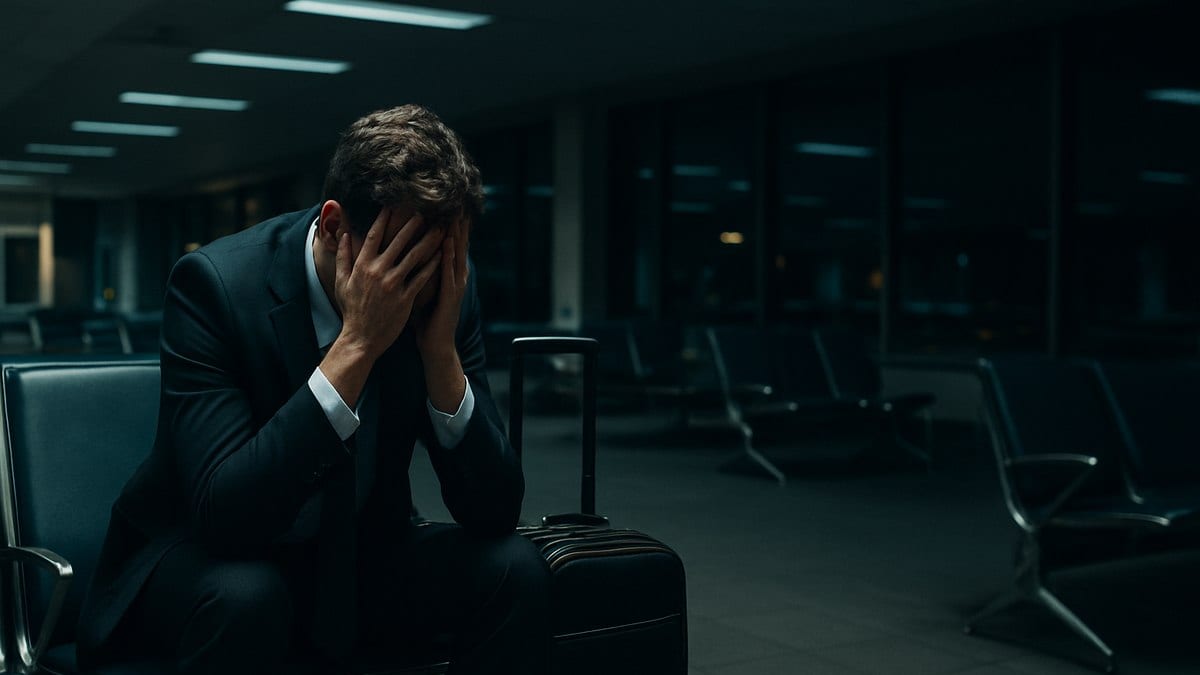
Flight delays in the United States are quietly draining an estimated $18 billion a year from travelers, as wasted time, unplanned expenses and missed opportunities add up far beyond the inconvenience of a late departure.
Get the latest news straight to your inbox!
New Data Puts a Price Tag on Passenger Time
Recent technical briefings and industry analyses building on Federal Aviation Administration research indicate that the total cost of flight delays across the U.S. air system reached about $33 billion in 2019, with roughly $18.1 billion borne directly by passengers. That figure reflects the value of time lost while travelers sit on tarmacs, wait in terminals, rebook missed connections and rearrange disrupted plans.
These estimates use a standardized “value of time” per hour for airline passengers, a metric widely applied in transportation economics to capture what delays mean in real financial terms. When multiplied across millions of affected journeys each year, a delay of even 30 to 60 minutes quickly translates into billions of dollars in lost productivity, forfeited leisure time and cascading schedule knock-on effects.
While the pandemic temporarily reduced demand and eased pressure on the system, more recent traffic data and schedule performance reports suggest that congestion and severe weather disruptions have pushed delay totals back toward pre‑2020 levels. As passenger volumes grow, analysts expect the annual cost of delays to travelers to remain in the tens of billions of dollars unless capacity and resilience issues are addressed.
The headline number of $18 billion a year also masks wide variation in how delays are experienced. For some passengers, a late flight means a modest inconvenience. For others, a missed job interview, a cancelled client meeting or a forfeited vacation day can translate into far higher personal and professional costs than systemwide averages suggest.
Beyond the Gate: Hotels, Meals and Missed Connections
The direct cost of lost time is only one part of the burden. Consumer surveys and insurer data collected over the past year indicate that a majority of U.S. travelers have experienced at least one major disruption, often involving missed connections, overnight stays and last‑minute itinerary changes that force them to pay out of pocket.
Reports from travel risk and compensation platforms point to a surge in claims tied to delays of more than two hours and outright cancellations. Travelers commonly report paying for additional hotel nights, ride‑hailing services between alternate airports, rushed passport or visa changes, and nonrefundable tickets for cruises, tours or events that can no longer be used after a missed arrival.
Business travelers face a particularly acute impact. A recent corporate travel disruption study estimated that U.S. companies are spending more than $17 billion a year on additional expenses and lost productivity when employees’ trips do not go to plan. For employers, this can include not only rebooking costs, but also lost billable hours, diminished deal opportunities and the administrative burden of managing complex reroutings.
At the same time, guidance from federal regulators in late 2025 clarified that airlines are not required to cover passenger expenses such as hotels and meals when cancellations or long delays stem from aircraft recalls or certain safety‑driven maintenance actions. That leaves many travelers exposed to substantial unplanned costs in scenarios where flights are grounded for reasons beyond their control.
Why Delays Keep Happening
Delay statistics compiled from Bureau of Transportation Statistics data and independent analyses show that about one in five flights operating within the United States arrives late in a typical recent year. The reasons span a mix of airline‑controllable and external factors, each with different implications for who ultimately pays.
Airline‑related causes, such as crew scheduling problems, maintenance issues and tight turnaround windows between flights, account for a significant share of delays. When a single aircraft falls behind schedule early in the day, that lateness can cascade across multiple legs, affecting hundreds or thousands of passengers far from the original problem.
National Airspace System constraints form another large category. Air traffic control staffing shortages, en‑route congestion and runway capacity limits at major hubs can force carriers to pad schedules or hold departures, while weather‑related restrictions compound the strain during peak travel seasons. Atmospheric and climate researchers have recently emphasized that more intense storms and extreme heat events are likely to add further volatility to departure and arrival times.
Infrastructure and technology are also under scrutiny. Industry research presented in late 2024 and early 2025 highlights how outdated legacy systems and vulnerabilities in critical software can trigger large‑scale disruptions. Events in which technical failures or cybersecurity‑linked incidents have led to thousands of cancellations underscore how quickly operational challenges can spill into a nationwide breakdown in reliability.
Uneven Passenger Protections Compared With Other Regions
The financial exposure of U.S. travelers stands in stark contrast to the frameworks in place in some other major aviation markets. In the European Union, for example, common air passenger rules entitle eligible travelers to standardized financial compensation and care in cases of long delays, cancellations or denied boarding when the disruption is within the airline’s control.
By comparison, U.S. federal rules focus more narrowly on safety and disclosure, and do not provide automatic cash compensation for delays. While several large carriers have voluntarily pledged to offer meal vouchers, hotel accommodation or rebooking in certain circumstances, these commitments vary by airline and often exclude disruptions linked to weather, air traffic control constraints or manufacturer‑related issues.
Consumer advocates monitoring recent regulatory moves note that proposals to require compensation for extended controllable delays have faced strong pushback from the airline industry, which has warned of added operating costs and potential impacts on fares and route offerings. A separate effort to require comprehensive care packages for significantly delayed passengers was scaled back after legal and political challenges.
As a result, the hidden costs of delays are frequently absorbed by individual travelers. Those who are unaware of their rights or unfamiliar with each airline’s customer service policies may miss out on the assistance that is voluntarily available, while others find that key expenses fall into gaps not covered by current commitments.
Strategies Travelers Are Using to Protect Themselves
In the absence of robust, across‑the‑board compensation rules, many U.S. travelers are turning to private tools and planning strategies to reduce their exposure to delay costs. Travel insurance providers report an uptick in policies that specifically cover missed connections, extended delays and additional accommodation, with claims volumes rising compared with pre‑pandemic levels.
Data from booking platforms and airline performance dashboards show that travelers are increasingly building longer layover buffers for complex itineraries, particularly on international routes where a missed connection can strand passengers overnight. Some are opting to depart a day early for major events or cruises, trading an extra hotel night for peace of mind.
Experts who analyze delay patterns advise that travelers pay close attention to seasonal congestion, time of day and airport‑specific track records when choosing flights. Early‑morning departures are often less vulnerable to the chain‑reaction effect of accumulated delays, while secondary airports can sometimes offer more reliable operations than heavily saturated hubs.
At the policy level, transportation economists argue that continued investment in airspace modernization, airport infrastructure and resilient scheduling practices will be essential to reduce the $18 billion annual hit to travelers. Until those systemic improvements are fully realized, however, U.S. passengers are likely to keep bearing a substantial share of the financial fallout every time the departure board turns from “on time” to “delayed.”