

More news on this day
Airline passengers are facing a new wave of disruption as severe weather, runway construction, chronic staffing gaps and packed flight schedules combine to push delays and cancellations higher across some of the world’s busiest hubs.
Get the latest news straight to your inbox!
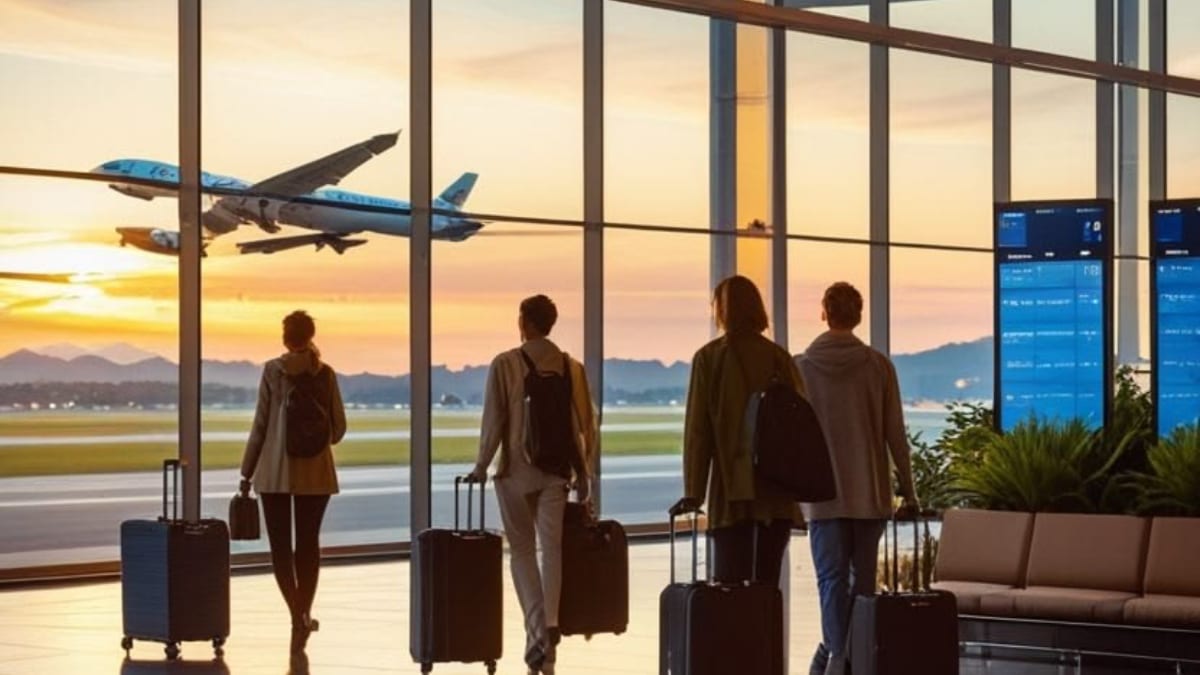
Storm Systems Expose Fragility In U.S. Flight Schedules
Recent storms sweeping across the United States have triggered thousands of delays and cancellations, underscoring how quickly bad weather can overwhelm already tight airline and airport operations. A powerful system in mid-March brought snow and high winds from the Midwest to the East Coast, disrupting schedules at major hubs including New York, Chicago and Atlanta. Publicly available tracking data showed more than a thousand flights canceled and several thousand delayed in a single day as airlines struggled to reposition crews and aircraft.
In Atlanta, one of the world’s busiest airports, hundreds of flights were canceled and many more delayed as the storm moved through. Similar ripple effects appeared in New York and Chicago, where congested airspace and heavy reliance on hub-and-spoke networks amplified the impact. Even as conditions improved, recovery took days, with crews and planes out of place and peak-time slots already heavily subscribed.
Weather has long been identified in federal aviation updates as the leading driver of flight delays, but the intensity and geographic reach of recent systems has highlighted a growing vulnerability. When high winds, thunderstorms or snowstorms hit during already busy periods, the system has little slack, turning what might once have been manageable disruptions into large-scale cascades.
Runway Work And Airport Projects Reduce Capacity
At the same time, runway and airfield construction is constraining how many flights some airports can safely handle. In late March, San Francisco International Airport saw its hourly arrival rate cut by roughly one third as a combination of runway work and new spacing rules prompted federal regulators to limit simultaneous landings on closely spaced parallel runways. Publicly available information indicates arrivals there have been reduced from about 54 movements per hour to 36, setting the stage for longer queues and chronic holding patterns during peak periods.
Other major hubs are also juggling construction with record demand. Chicago O’Hare is in the midst of a long-term expansion that will add gates and concourses over the next several years, but work zones and shifting taxi routes are already constraining operations. Reports from the Chicago area indicate federal officials are examining temporary caps on daily takeoffs and landings at O’Hare for the 2026 summer scheduling season to keep traffic within the airport’s practical capacity while construction continues.
Even mid-sized airports are feeling the impact of long-planned infrastructure projects. In several U.S. regions, runway replacements and surface rehabilitations have required extended closures of primary runways, forcing airlines to rely on shorter or crosswind runways that limit the size and number of aircraft that can operate. While such projects are essential for safety and long-term growth, they often create near-term bottlenecks that turn minor weather or staffing issues into material delays.
Staffing Shortages Put Air Traffic Control And Security Under Strain
Behind the visible disruptions lies a chronic shortage of skilled personnel, particularly in air traffic control and airport security. Congressional briefing materials and recent industry coverage suggest the U.S. air traffic control workforce remains thousands of certified professionals below target levels, even after stepped-up hiring. Training pipelines, which take years to produce fully qualified controllers, are reported to be at capacity through at least mid-2026.
Operational data cited in aviation trade publications indicate that ground delay programs and ground stops linked primarily to staffing shortfalls, rather than weather or equipment outages, reached record cumulative levels in 2025. When controller numbers fall below certain thresholds, the Federal Aviation Administration generally compensates by reducing the number of aircraft allowed to depart or arrive per hour in affected sectors, a strategy that preserves safety but inevitably lengthens delays.
Security screening has emerged as another pressure point. Coverage of the ongoing partial federal government shutdown in the United States has highlighted long lines at checkpoints as Transportation Security Administration staff face missed paychecks and increased attrition risk. Reports indicate that internal planning documents list dozens of smaller airports that could be temporarily closed if personnel need to be consolidated at the largest hubs to maintain minimum screening standards, a step that would further concentrate traffic and delay risk.
Internationally, similar patterns are appearing. Canadian airports have reported controller shortages contributing to delays and cancellations at busy holiday peaks, while European industry groups have pointed to staffing gaps in ground handling and air traffic management as key contributors to delay spikes over recent summers.
Capacity Constraints Collide With Strong Passenger Demand
The latest data from global airline associations show passenger demand rising faster than system resilience. Industry figures for 2025 indicate solid growth in traffic and capacity worldwide, with airlines adding seats and restoring routes cut during the pandemic. However, infrastructure and staffing have not scaled at the same pace, particularly in constrained urban airspaces and at slot-controlled airports.
In the United States, federal briefings on summer 2025 operations noted that days with more than 54,000 flights systemwide are becoming more common, with additional peaks expected through 2026. Each of those days compresses departures and arrivals into finite runway and airspace capacity, leaving little room to absorb thunderstorms, equipment outages or unplanned staffing gaps without triggering rolling delays.
Europe faces a similar structural mismatch between demand and capacity. Data referenced by regional performance networks and passenger-rights platforms suggest that delay minutes have more than doubled over the past decade, even as airline schedules grew much more modestly. While some hubs improved their punctuality in 2025 thanks to milder weather and targeted efficiency measures, airport and airspace capacity remain tight, especially when industrial actions or en route sector constraints flare up.
With carriers competing for market share on popular routes, there is strong commercial pressure to schedule more flights at attractive times of day, even when peak hours are already saturated. Industry analysts say that without additional runways, upgraded air traffic technology and a larger controller workforce, airlines will be increasingly forced to choose between slower growth and tolerating higher levels of delay as a cost of doing business.
What Travelers Can Expect In The Months Ahead
Looking ahead to the spring and summer of 2026, public forecasts and airline scheduling data suggest that travelers should prepare for a busier and potentially more disruption-prone season. Weather remains an unpredictable variable, but recent history offers a warning: a major North American winter storm in late January was associated with tens of thousands of weather-related cancellations, one of the highest single-event tallies on record.
Even in routine conditions, passengers using key hubs such as Newark, Chicago O’Hare, San Francisco and Atlanta may encounter more frequent ground delays linked to a combination of staffing and construction-related constraints. At some airports, arrival and departure rates have already been reduced to match available controller capacity and runway configurations, and additional limits are under discussion for high-demand periods.
Industry groups emphasize that long-term investments in modernized air traffic systems, airport expansions and workforce development are underway, but these efforts will take years to unwind existing bottlenecks. In the meantime, travelers are likely to see continued tension between robust demand for air travel and an operating environment where a single storm, staffing issue or runway works project can quickly ripple across the network.
For now, the picture emerging from public data and recent disruptions is of an aviation system operating close to its limits. As airlines and regulators adjust schedules, cap movements and prioritize safety within constrained capacity, passengers may increasingly experience those limits in the form of longer lines, fuller flights and more time spent waiting for takeoff.