

More news on this day
Travelers across the United States faced fresh disruption on April 3 as a wave of cancellations and delays at Hartsfield-Jackson Atlanta International Airport affected flights operated by Delta Air Lines, United Airlines, Frontier Airlines and other carriers, interrupting travel plans for passengers bound for Atlanta, New York, Los Angeles and a string of additional major cities.
Get the latest news straight to your inbox!
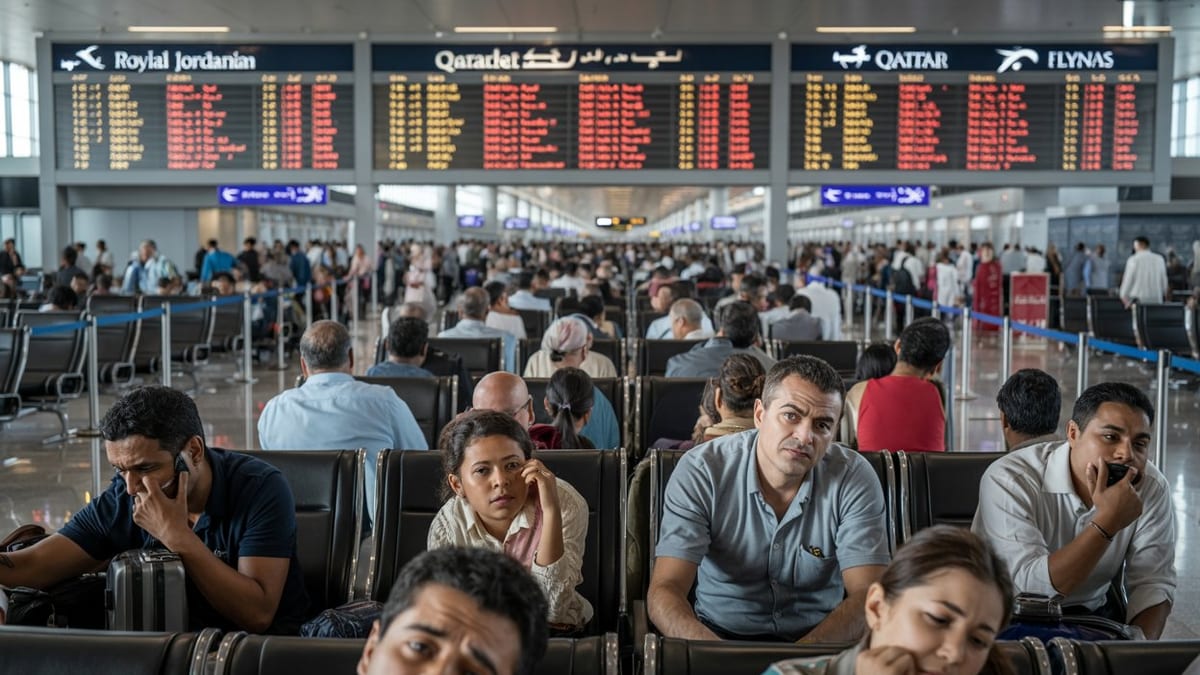
Clusters of Cancellations and Delays at the World’s Busiest Hub
Early operational tallies compiled from flight-tracking dashboards and airport status boards on Friday indicated at least 18 cancellations and 143 delays connected to departures and arrivals at Hartsfield-Jackson, cutting across multiple domestic and transcontinental routes. While the figures remained fluid throughout the day, they underscored how even a relatively modest number of cancellations at the world’s busiest passenger airport can cascade into a much larger wave of missed connections and disrupted journeys.
Publicly available information on Atlanta’s airport operations shows that Delta, the dominant carrier at Hartsfield-Jackson, again featured prominently on the delay boards, with additional disruptions reported for United, Frontier and several other airlines serving key domestic markets. Flight-status snapshots taken during the morning and midday periods showed clusters of late departures to and from New York area airports, Los Angeles, Chicago, Denver and other major hubs, highlighting the airport’s central role in the national network.
Travel coverage focused on Atlanta in recent weeks has described a pattern of strain as spring travel ramps up, with surging passenger volumes, weather variability and staffing imbalances all contributing to operational volatility. Friday’s cancellations and delays appeared to fit into that broader context, arriving at a time when security queues and check-in lines were already lengthening for spring break and early April getaways.
Weather readings for Atlanta indicated overcast skies and relatively calm surface conditions early in the day, suggesting that any weather-related impacts were likely tied to conditions elsewhere on the network rather than severe local storms. That combination of local stability and distant disruption often leads to schedule knock-ons, as aircraft and crews arrive late into Atlanta and then depart behind schedule to their next destinations.
Delta, United and Frontier Among the Most Affected Carriers
Airline-by-airline breakdowns of operations at Hartsfield-Jackson on April 3 pointed to Delta, United and Frontier as among the carriers most visibly affected by delays and cancellations. Delta’s large schedule at its primary hub meant that even a moderate percentage of delayed flights translated into hundreds of passengers facing missed connections, extended layovers or late-night arrivals across the United States.
Publicly accessible performance analyses of Delta’s recent operations highlight how tightly timed aircraft rotations and high load factors can magnify small disruptions. When one leg of a multi-stop sequence into or out of Atlanta runs significantly late, it can disrupt subsequent flights using the same aircraft, ultimately forcing airlines to consolidate lightly booked services or cancel individual segments to rebalance resources.
United and Frontier, which rely on Atlanta primarily as a connecting point in networks centered on other hubs, were also impacted as part of a wider web of nationwide irregular operations. Frontier-focused travel reports published the same day described the carrier working through more than 200 delayed flights and nearly 20 cancellations across the United States, with several of those disruptions touching Atlanta, New York and other high-traffic gateways.
Operational summaries for United’s network on similarly difficult days in recent months show how delays at one or two hubs can quickly ripple across many others. On Friday, the combination of schedule adjustments at Atlanta and congestion at Northeastern airports created additional complexity for United customers attempting to connect through multiple cities on the same itinerary.
Impact Felt in New York, Los Angeles and Other Major Markets
Because Hartsfield-Jackson functions as a key domestic and international transfer point, the immediate disruption in Atlanta translated into rolling effects for travelers heading to or from major population centers. By midday on April 3, arrival and departure boards for flights linking Atlanta with New York’s major airports, Los Angeles International, Chicago and Denver reflected a mix of late operations, gate changes and, in some cases, cancellations.
Travel mapping of typical passenger flows through Atlanta indicates that even a single cancellation on a trunk route can affect travelers on multiple continents, as missed domestic connections break itineraries that feed into long-haul services later in the day. While Friday’s disruption was far smaller than the mass shutdowns triggered by past severe storms, the pattern remained similar, with relatively small numbers of canceled flights leading to stranded passengers far from the original point of disruption.
Publicly available data on historical storms and prior large-scale disruptions shows that Hartsfield-Jackson has previously seen hundreds or even more than a thousand cancellations in extreme weather events, grounding aircraft from Delta, Frontier, United and additional carriers. Against that backdrop, the 18 cancellations and 143 delays recorded on April 3 may appear limited, yet they remained significant for travelers who were depending on precise connection times for business trips, family events or international departures.
For New York and Los Angeles in particular, the cumulative effect of late inbound flights from Atlanta meant tightened turnaround times and, in some cases, rolling delays on return segments. As aircraft arrived late from Georgia, carriers adjusted schedules and, where necessary, reassigned aircraft to higher-demand routes, leaving some secondary destinations facing longer-than-expected waits.
Causes Range from Weather to Network Strain
Aviation analysts reviewing Friday’s disruptions pointed to a familiar mix of contributing factors, including patchy weather across multiple regions, heavy spring-break demand, crew availability constraints and ongoing air traffic control pressures at busy corridors. Observers note that even when Atlanta enjoys relatively stable local conditions, storms or low visibility at upstream airports can generate late inbound flights that spread delays throughout the day.
Industry research on flight cancellations and delays emphasizes that airlines sometimes cancel individual flights preemptively when projected delays threaten to grow too long, particularly when aircraft or crew must be repositioned for later segments viewed as more critical to the overall network. This type of tactical cancellation helps carriers preserve the remainder of the day’s schedule, but can leave passengers on the affected flight facing rebookings or overnight stays.
In addition, publicly available guidance from airline-focused travel resources explains that low staffing levels in key roles, such as ground handling and customer service, can slow recovery once a wave of delays has begun. Longer aircraft turn times, extended baggage loading and crowded taxiways all contribute to a feedback loop in which the first disruptions of the day reverberate through the schedule well into the evening peaks.
For carriers like Frontier that operate with leaner schedules at certain airports, even a small operational hiccup can cause outsized problems. When aircraft arrive late and there are limited spare planes or crews on site, airlines have fewer options to keep the rest of the schedule running on time, increasing the likelihood of rolling delays and last-minute cancellations.
What Disrupted Travelers Can Do Next
Publicly accessible consumer guidance notes that travelers facing cancellations or significant delays at Atlanta and other major airports should start by confirming the status of their flight through airline apps or airport displays, then explore same-day rebooking options. Many carriers now offer self-service tools for moving to later departures, rerouting through alternate hubs, or, in some cases, standing by for earlier flights with available seats.
Existing federal rules in the United States specify that if an airline cancels a flight and a passenger chooses not to travel, the customer is typically entitled to a refund for the unused portion of the ticket, even on nonrefundable fares. Travel specialists recommend that passengers keep detailed records of booking confirmations, cancellation notices and any written communication from airlines to support refund or expense claims later.
For delays that fall short of outright cancellation, U.S. regulations do not require airlines to provide meal or hotel vouchers in many circumstances, especially when disruptions are attributed to weather or air traffic control. However, some carriers offer discretionary assistance or travel credits depending on the cause of the disruption and a traveler’s frequent flyer status, so checking the specific airline’s published policies can be helpful.
Given the pattern of recurring strain at major hubs such as Hartsfield-Jackson, some travel planners suggest building longer connection windows through Atlanta, particularly during peak holiday and spring-break periods. While this approach can add time to an itinerary, it may provide a buffer when delays like those seen on April 3 trigger rolling schedule changes that ripple through Atlanta, New York, Los Angeles and other key cities.