

More news on this day
Air travelers across Colombia and on popular routes to the United States are facing significant disruption after a wave of cancellations and schedule changes affecting services operated by Avianca and overseen by Aerocivil, Colombia’s civil aviation authority.
Get the latest news straight to your inbox!
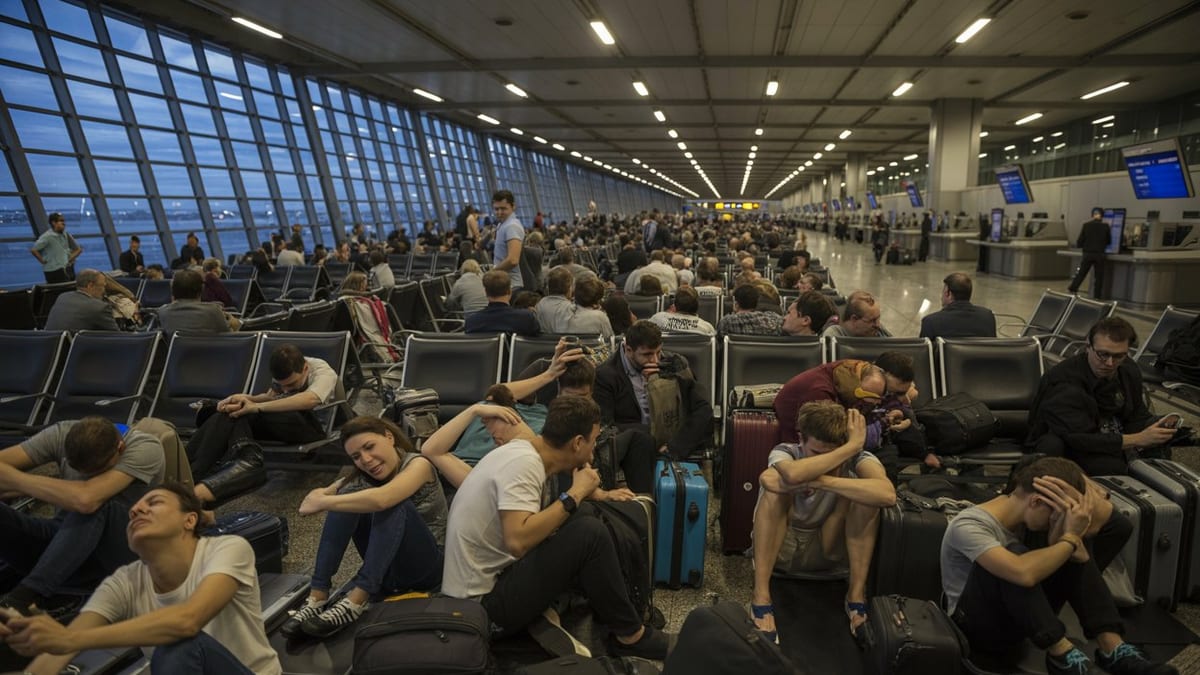
Image by Global Travel Alerts, Advisories, International Travel Alerts
Widespread Cancellations Across Key Colombian Hubs
Publicly available flight-tracking data and local media coverage indicate that more than a dozen flights were cancelled or heavily rescheduled over the weekend on routes linking Colombia’s busiest airports, including Bogota, Medellin, Cali, Cartagena and the island destination of San Andres. The disruptions have affected both domestic connections within Colombia and international services, particularly links to Orlando and other cities in the United States.
The most affected hub appears to be Bogota’s El Dorado International Airport, where cancellations on short-haul domestic sectors have had a knock-on effect across the network. Routes between Bogota and Medellin, Cali and Cartagena are among those seeing multiple schedule changes, complicating onward connections for passengers heading to beach destinations or international flights.
Cartagena and San Andres, two of Colombia’s most tourism-dependent destinations, have also reported cancelled departures and arrivals. Travelers connecting through these airports have faced extended delays, missed connections and last-minute overnight stays as airlines work to re-accommodate passengers on later services.
While the total number of affected passengers has not been officially consolidated, reports from airport operators and airline communications suggest that the figure is in the thousands when including both domestic and international itineraries tied to the disrupted sectors.
Avianca Operations Under Pressure
Avianca, Colombia’s largest carrier and a key player on many of the affected routes, has been at the center of the latest wave of changes. The airline operates dense shuttle-style schedules between Bogota and major Colombian cities, which means any disruption early in the day can cascade into widespread delays and cancellations across the network.
Recent public communications and customer-facing advisories emphasize that Avianca’s schedules remain subject to operational changes, including aircraft rotation issues, crew availability and congestion at key airports. Social media posts and traveler forums over the past several days describe passengers learning of cancellations or major time changes via app notifications or email, sometimes only hours before departure.
On routes to the United States, including flights linking Colombian cities with Orlando, some itineraries have been modified or consolidated, reducing same-day options for travelers. Passengers booked on multi-leg journeys have reported being rebooked onto alternative Avianca services or routed through different hubs, occasionally extending travel times by many hours.
Although airlines routinely adjust schedules for operational reasons, the clustering of cancellations impacting domestic trunk routes and selected international services has drawn heightened scrutiny from travelers and consumer advocates, particularly given Colombia’s reliance on air links for both tourism and business travel.
Role of Aerocivil and Airspace Management
Aerocivil, Colombia’s Special Administrative Unit of Civil Aeronautics, is responsible for regulating civil aviation, managing the country’s airspace and granting route and slot permissions. Publicly available Aerocivil bulletins and route allocation documents show a tightly managed framework at busy hubs such as Bogota, where capacity constraints and air traffic flows must be carefully balanced to maintain safety.
When airlines request schedule changes, add frequencies or consolidate services, these adjustments interact with Aerocivil’s slot coordination and airspace management responsibilities. During periods of operational strain, temporary measures such as reduced movement rates, altered approach procedures or weather-related flow controls can trigger delays that ripple through airline schedules.
Industry analyses of the Colombian market note that the country’s complex geography and reliance on air travel between major cities place additional pressure on regulators and carriers alike. A relatively short route in distance, such as Bogota to Medellin, can become operationally challenging when weather conditions in mountainous regions or congestion at a single hub forces traffic to be spaced out or briefly held.
In the current disruption, Aerocivil’s published information points to a combination of operational and scheduling factors rather than a single, isolated cause. Adjustments to route permissions and slot usage, combined with airline-level decisions on fleet deployment, have contributed to the pattern of cancellations visible to travelers.
Impact on Travelers to and from Orlando
Orlando has emerged in recent years as a high-demand destination from Colombian cities such as Bogota, Medellin and Cartagena, supported by both leisure and visiting-friends-and-relatives traffic. Airline timetables and tourism board summaries highlight multiple weekly frequencies linking Orlando with Colombia, many of them coordinated with domestic feeder flights.
The latest disruptions have affected several of these links, with some services cancelled outright and others retimed, reducing flexibility for travelers who rely on tight connections from inland cities. Families traveling for school holidays and theme-park visits, as well as Colombian residents returning from Florida, have been among those most exposed to last-minute changes.
Travel forums and passenger accounts describe cases in which cancellations on domestic legs, such as Medellin to Bogota or Cali to Bogota, have caused travelers to miss onward flights to Orlando. In some situations, passengers have been offered rebooking on later dates or on different routings, while others have opted to request refunds and seek alternative carriers.
For travelers departing the United States, altered Orlando departures to Colombia have led to missed connections onward to San Andres and other island destinations, forcing overnight stays on the mainland. With limited daily frequencies to some of these resort locations, a missed connection can translate into the loss of valuable vacation time.
What Passengers Can Expect in the Coming Days
Based on current schedules and advisories published by airlines and airport authorities, further minor adjustments and isolated cancellations remain possible in the coming days as carriers rebalance fleets, crew and routes. Passengers booked on Avianca and other airlines serving the affected Colombian airports are being encouraged in public notices to monitor their reservations closely before heading to the airport.
Travel experts who track airline operations in the region recommend that passengers traveling between secondary Colombian cities and international gateways such as Bogota build in additional connection time where possible. Booking earlier departures on domestic feeder flights, rather than relying on the last available option of the day, can help reduce the risk of missed long-haul segments if further disruptions occur.
Consumer-rights information from Colombian and international aviation regulators highlights that travelers may be entitled to specific forms of assistance, such as meals, accommodation or rebooking, depending on the cause of the disruption and the applicable legal framework. While the exact remedies vary by route and jurisdiction, passengers are advised to retain receipts and documentation when disruption leads to out-of-pocket expenses.
With Colombia entering a period of sustained travel demand, particularly on routes connecting major cities with coastal and island destinations, observers expect that both Aerocivil and the airlines will face continued pressure to improve operational resilience. In the short term, however, travelers bound for Bogota, Medellin, Cali, Cartagena, San Andres, Orlando and other connected cities are likely to experience a travel environment where flexibility and careful planning are essential.