

More news on this day
Travelers passing through John Glenn Columbus International Airport on April 7 faced a fresh wave of disruption, as a cluster of delays and cancellations affecting Mesa, Delta, and Southwest Airlines disrupted key routes to Chicago, New York, and other major US cities.
Get the latest news straight to your inbox!
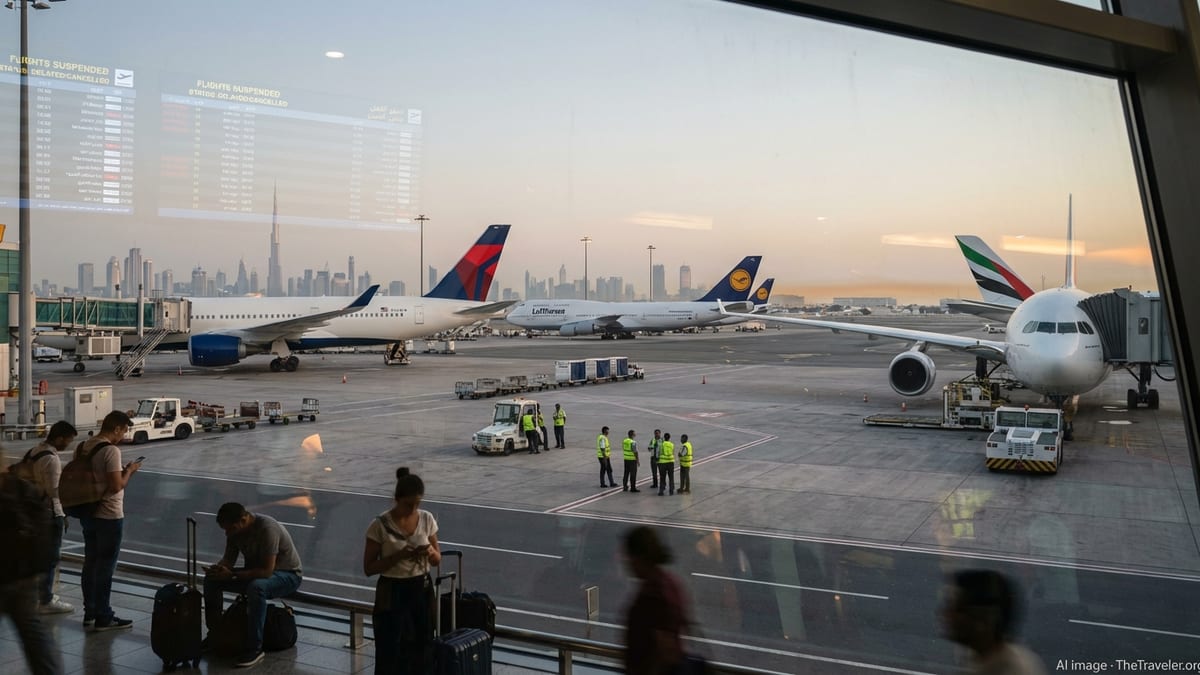
Localized Disruptions at a Key Midwestern Gateway
Publicly available tracking data for April 7 indicate that John Glenn Columbus International Airport recorded 15 delayed departures and three cancellations across multiple carriers, including Delta Air Lines and Southwest Airlines. Regional operations linked to Mesa, which flies under partnership agreements with larger network airlines, were also caught in the disruption, amplifying the impact on connecting travelers.
The disruption level at Columbus was modest compared with the heaviest hit hubs but still significant for a mid-sized airport that serves as a vital link between the Midwest and larger coastal cities. Reports summarizing nationwide operations describe John Glenn Columbus as one of several airports experiencing elevated delay counts, with schedules tightening through the afternoon and evening as aircraft arrived behind schedule and crew resources became strained.
While overall airport operations at Columbus continued, the relatively small number of cancellations compared with delays points to airlines attempting to preserve schedules where possible. That approach, however, often leads to rolling knock-on effects, with aircraft and crews arriving late from other affected airports, resulting in longer-than-expected waits at the gate for departing passengers.
The uneven pattern of disruption also meant some concourses and carriers experienced crowding and long customer service lines, while others remained comparatively calm, reflecting how airline-specific network constraints rather than airport-wide shutdowns drove much of the turbulence.
Chicago, New York and Other Major Markets Feel the Strain
Although the headline numbers at Columbus were limited to 15 delays and three cancellations, the geographic reach of those flights extended far beyond central Ohio. Routes into and out of major hubs such as Chicago and New York were among those affected, contributing to a broader web of delays already pressuring the national aviation system.
Several national roundups of April 7 operations describe Chicago O’Hare and New York’s major airports as among the most heavily impacted in the current disruption cycle, with triple-digit delay counts reported there and at other large hubs. As those airports grappled with congested airspace and residual schedule imbalances from earlier storms and holiday traffic, knock-on effects were felt at spoke airports like Columbus, where departure and arrival banks are tightly timed to feed hub connections.
Travel industry coverage indicates that even a single delayed departure on a Columbus–Chicago or Columbus–New York leg can cascade into missed connections for passengers continuing to Western destinations or transatlantic flights. As aircraft cycle through multiple segments in a day, a late start in Columbus can propagate through subsequent flights, extending delays into the evening at cities far removed from the original disruption.
For travelers, that meant that what appeared to be a local issue at John Glenn Columbus often translated into missed meetings in New York, late arrivals into Chicago, or disrupted leisure trips to secondary markets across the country.
Mesa, Delta, and Southwest Under Pressure in a Busy Spring
The delays and cancellations at Columbus unfolded against a broader backdrop of operational strain for Mesa, Delta, Southwest, and other carriers this spring. Industry data for early April show elevated nationwide totals, with thousands of daily delays and hundreds of cancellations across US airports as airlines continue to work through a post-Easter travel surge and lingering weather-related disruptions.
Delta and Southwest, both with a substantial footprint at John Glenn Columbus, have been prominent in recent disruption tallies, with high delay counts recorded at their major hubs over the past several days. Reports also indicate that regional partners and affiliates, including Mesa, have experienced particular pressure as they link smaller and mid-sized airports into the large-hub networks of major carriers.
Mesa’s role as a regional operator, flying under the branding of larger airlines, means its operational challenges are often less visible to travelers but can be just as disruptive. When a Mesa-operated flight that feeds a Chicago or New York hub is delayed or canceled, passengers may perceive the problem as belonging to the mainline carrier even though the underlying issues involve regional aircraft, crew availability, or logistics.
At Columbus, the April 7 pattern mirrored these national themes. A relatively small number of outright cancellations contrasted with a larger pool of delayed flights, underscoring how airlines are prioritizing schedule preservation, even at the cost of extended waits and compressed connection times for passengers.
Wider National Turbulence Fuels Local Ripple Effects
The situation at John Glenn Columbus cannot be viewed in isolation. Nationwide, tracking services and travel-industry outlets reported more than a thousand cancellations and tens of thousands of delays in the United States on April 7 and in the days immediately preceding it. Much of this was linked to severe weather systems, ground-delay programs at key hubs, and the knock-on impact of the busy holiday and spring-break travel period.
Recent storms in the Midwest and Northeast have repeatedly constricted airport capacity at hubs such as Chicago and New York, generating traffic-management initiatives that slow departures and arrivals across large regions. When those programs are implemented, smaller airports like Columbus often face departure holds or gate congestion as inbound aircraft wait for clearance into crowded airspace.
Travel analysts note that the US airline system is operating with little slack, making it particularly vulnerable to snowballing disruption. Crews and aircraft quickly fall out of their planned positions when storms or ground delays hit, and it can take several days for schedules to fully recover, especially when backlogs coincide with peak demand periods.
The ripple effect from this tight operating environment was visible at Columbus on April 7, when flights to and from Chicago, New York, and other high-traffic markets bore the brunt of knock-on delays, despite largely favorable local conditions in central Ohio.
What Travelers Through Columbus Should Expect and Do Next
For passengers traveling via John Glenn Columbus in the coming days, the April 7 disruptions serve as a reminder that seemingly modest local schedule changes can mask a much larger web of national operational challenges. Even when only a handful of flights are canceled and fewer than two dozen are delayed, the impact can be magnified for those relying on tight connections at major hubs.
Consumer-facing guidance from travel-rights organizations and airline information dashboards emphasizes the importance of active trip management during periods of elevated disruption. Travelers are encouraged to monitor their flight status frequently on official airline channels, pay close attention to connecting times in Chicago and New York, and consider earlier departures when a critical same-day connection is required.
Published resources also stress the value of understanding airline policies on rebooking, meal vouchers, and hotel accommodations when delays or cancellations occur. While US regulations do not require compensation for weather-related problems, carriers often outline their own commitments to customers in publicly available service guarantees and policy dashboards.
With Mesa, Delta, Southwest, and other airlines continuing to operate in a constrained environment this spring, passengers moving through Columbus and its key connecting hubs should be prepared for potential schedule adjustments, even when local skies appear clear and airport operations seem normal at first glance.