

More news on this day
Argentina’s domestic air network faced fresh turbulence this week as Aerolíneas Argentinas, LATAM, Flybondi and other carriers scrapped seven key departures on popular routes linking Buenos Aires, Córdoba, Bariloche and additional cities, forcing hundreds of travelers to rebook or abandon their plans at short notice.
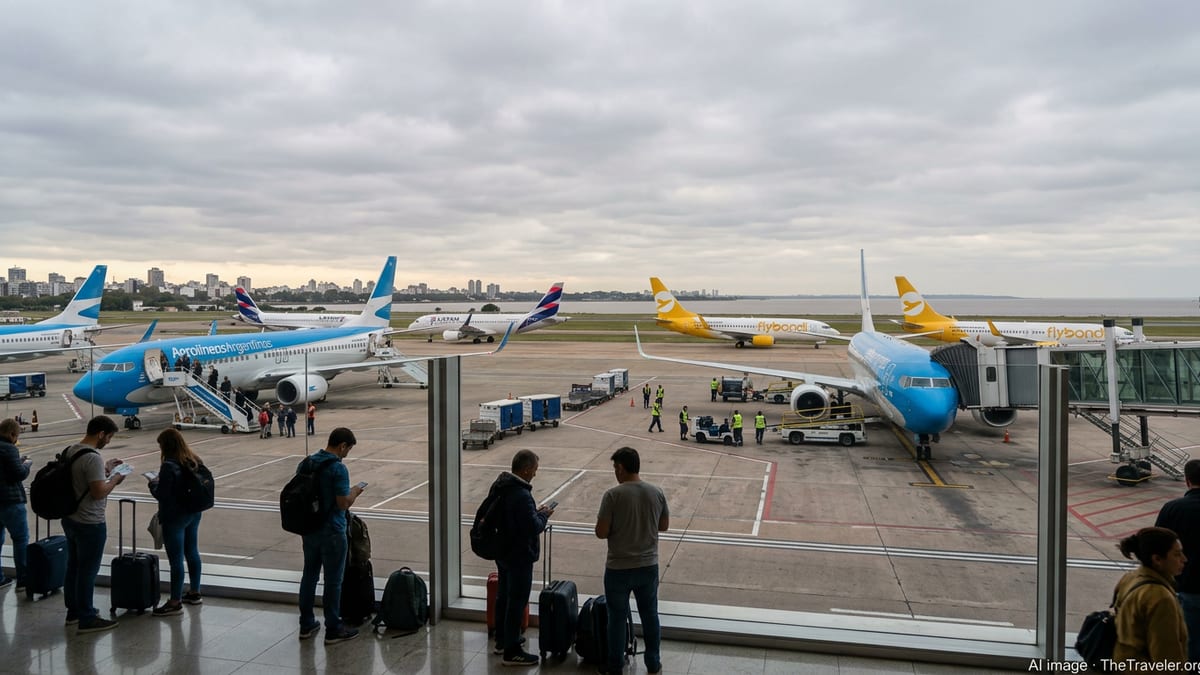
Seven Critical Flights Pulled From Schedules
The latest disruption centers on a cluster of seven departures removed from timetables across multiple airlines, targeting some of Argentina’s busiest leisure and business corridors. According to airport operations data and carrier advisories, the cancellations affect services from Buenos Aires to Córdoba and San Carlos de Bariloche, as well as flights connecting the capital with other high-demand regional destinations.
Aerolíneas Argentinas has withdrawn several departures from Buenos Aires’ Aeroparque Jorge Newbery and Ezeiza International, while LATAM and low cost carrier Flybondi have each cut at least one frequency on routes that typically see strong year round demand. The lost flights fall at peak times in the morning and early afternoon, compounding the impact on same day connections and onward travel plans.
Although the number of flights affected is limited compared with the mass cancellations seen during February’s nationwide strike, the decision to trim seven strategic departures disproportionately hits passengers on key domestic and regional routes. Travelers heading to Córdoba and Bariloche, in particular, reported packed remaining services and sharp fare increases for last minute alternatives.
Airline representatives have framed the move as a short term operational adjustment, but they have not ruled out further schedule fine tuning in the coming days as they monitor load factors, staffing levels and airport constraints.
Aerolíneas, LATAM and Flybondi Under Pressure
The disruption comes at a delicate moment for Argentina’s aviation sector. Flag carrier Aerolíneas Argentinas is still recovering from the financial and operational fallout of the February general strike, which forced the airline to cancel more than 250 flights in a single day and disrupted tens of thousands of journeys nationwide. That shock left schedules fragile and crews out of position on several domestic routes.
LATAM, which has rebuilt its presence in Argentina primarily through international and regional operations rather than a full scale domestic network, has also adjusted select flights amid ground handling and staffing challenges. While its overall cancellations are fewer than those of Aerolíneas, even one or two pulled rotations on trunk routes can reverberate through the system, especially for passengers connecting via São Paulo or Santiago.
Flybondi faces its own headwinds. The low cost carrier has been working to stabilize its operations and secure additional capacity through seasonal aircraft leases, following months of intense demand and reports of delays and scattered cancellations on domestic routes. Removing a departure to a marquee destination such as Bariloche reduces flexibility for budget conscious travelers, many of whom have limited alternatives in similar price brackets.
Industry analysts say the convergence of these pressures across three major brands is magnifying the effect on passengers. Even when most flights are operating, a handful of well timed cancellations on popular routes can quickly tighten capacity and spark day to day volatility for travelers.
Impact on Buenos Aires, Córdoba, Bariloche and Tourist Flows
Buenos Aires remains the nerve center of Argentina’s air network, so any cut to departures radiating from the capital has an outsized impact. The latest cancellations reduce options at both Aeroparque, which handles dense domestic traffic, and Ezeiza, the primary international gateway. Travelers connecting from long haul flights into regional services are particularly vulnerable when midday departures vanish from the board.
Córdoba, a key university and business hub, has seen steady demand from corporate travelers and visiting friends and relatives. With one of the affected flights linking Córdoba and Buenos Aires, some passengers report being shifted to late evening departures or, in a few cases, to next day services. For short business trips, that can effectively wipe out a working day and add overnight costs.
In Bariloche, a flagship Patagonian destination popular with both domestic and international tourists, the removal of a Flybondi and an Aerolíneas Argentinas frequency tightens already busy schedules during prime travel periods. Local tourism operators say short breaks and long weekend trips are particularly sensitive to flight timing, and reduced options can discourage last minute bookings from Buenos Aires and other cities.
Secondary destinations reached via these hubs, including cities in northern and southern Argentina, also feel knock on effects. When passengers miss or cannot secure domestic connections, hotel cancellations and reshuffled tours ripple through the wider travel economy.
Travelers Face Long Lines, Rebookings and Rising Fares
At Buenos Aires airports, the immediate impact of the seven cancellations has been visible in growing queues at airline counters and customer service desks. Many passengers report learning of changes only a few hours before departure, leaving little time to adjust ground transport or accommodation plans. Others say they were reprotected automatically, but onto flights with less desirable times and longer layovers.
With capacity tighter on remaining services, last minute rebookings have come at a premium. Travelers searching for same day or next day seats to Córdoba or Bariloche are seeing higher fares than those available just days earlier, particularly in standard economy classes. Some passengers have opted to reroute through alternative cities or even switch to overnight long distance buses when air options are exhausted.
Families and international tourists appear to be among the hardest hit. Many planned itineraries around specific departure times to align with hotel check in windows, excursions and domestic tour packages. When a flight disappears from the schedule, those carefully arranged plans can unravel, especially for travelers unfamiliar with Argentina’s geography or alternative transport networks.
Consumer advocates are urging affected passengers to document all communication with airlines and to check fare conditions for eligibility for refunds or free changes. They also recommend monitoring airline apps and airport information screens frequently, as real time updates often appear there before formal notification emails are received.
What Airlines Are Advising and How to Minimize Disruption
Airlines involved in the latest wave of cancellations are advising passengers to verify flight status before traveling to the airport and to allow extra time for check in and security, particularly at Aeroparque and Ezeiza. Aerolíneas Argentinas has reiterated that customers on affected flights can request rebooking at no additional cost, subject to seat availability, while Flybondi and LATAM are encouraging travelers to manage changes through digital channels whenever possible to avoid long lines at service desks.
For travelers with upcoming trips to Buenos Aires, Córdoba, Bariloche and other popular destinations, experts recommend building more flexibility into itineraries over the coming weeks. That may include avoiding tight same day connections between international arrivals and domestic departures, selecting slightly earlier outbound flights where possible and considering fully refundable fares on the most time sensitive legs.
Travel planners also suggest monitoring broader labor and political developments. The February general strike demonstrated how quickly industrial action can cascade into widespread aviation disruption across Argentina. While the current round of cancellations is far smaller in scale, it underlines the value of contingency planning, especially during peak travel seasons and major holiday periods.
For now, Argentina’s skies remain open, but the loss of seven key departures serves as a reminder that the country’s airline industry is still navigating a delicate balance between demand, capacity and operational resilience. Travelers heading into or within Argentina in the coming days would be wise to keep a close eye on their reservations and to prepare backup options where possible.