

More news on this day
Hundreds of passengers traveling through San Francisco International Airport on April 9 faced extended waits and missed connections after the airport reported 144 delayed flights and nine cancellations, disrupting services on major routes to Los Angeles, Munich, Portland and other domestic and international destinations.
Get the latest news straight to your inbox!
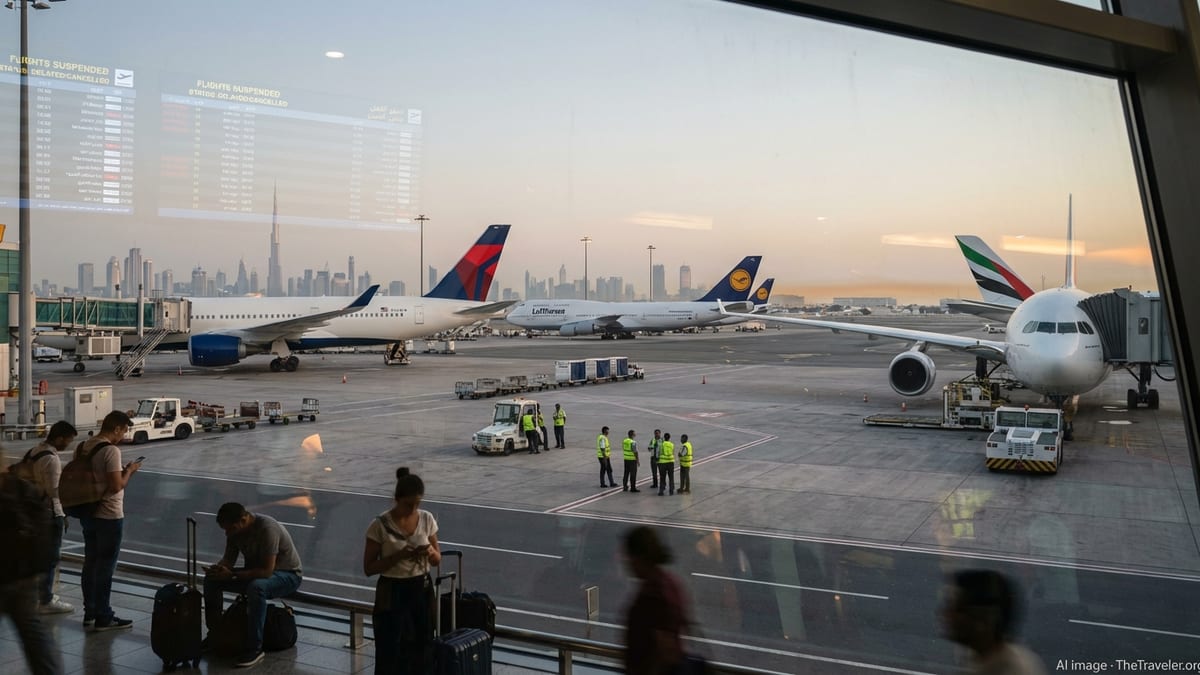
Major Carriers See Schedules Strained at SFO
Operational data for April 9 indicates that flights operated by Delta Air Lines, Lufthansa, Alaska Airlines, Air Canada, United Airlines and several other carriers were among those affected by the 144 delays and nine cancellations recorded at San Francisco International Airport. The disruptions touched both domestic and long haul routes, including busy shuttles to Los Angeles and Portland and transatlantic links such as Munich.
United and Alaska, which together account for a substantial share of passenger volume at San Francisco, appeared particularly exposed as the day progressed, with rolling departure pushes translating into missed onward connections at other hubs. Travelers reported extended time on the ground while aircraft waited for departure slots, as well as late arriving equipment that compressed already tight turnaround windows.
International services operated by Lufthansa and Air Canada were not immune. Late departures from San Francisco increased the risk of missed connections in Munich and Canadian hubs, adding an extra layer of uncertainty for long haul passengers who had planned same day onward travel to other European or domestic destinations.
The pattern of disruption at San Francisco formed part of a broader picture of strain across major North American and European hubs in early April, with published coverage describing elevated delay and cancellation levels linked to capacity constraints, weather systems and a tightly stretched airline staffing environment.
New FAA Restrictions Tighten Arrival Capacity
The latest wave of disruption at San Francisco unfolded shortly after the Federal Aviation Administration introduced new safety related restrictions on certain landings at the airport. Publicly available information about the policy change indicates that the measures are designed to limit specific approach configurations and reduce the number of simultaneous arrivals that controllers can clear during peak periods.
Industry reporting suggests that these restrictions are expected to reduce San Francisco’s arrival capacity compared with previous norms, particularly during busy morning and evening banks when airlines schedule dense waves of flights. Even modest cuts can have an outsized impact when schedules are built around tight banks of arrivals and departures, because a relatively small backlog can quickly cascade through the day if recovery windows are limited.
Travel analysis pieces published in recent days have already warned that San Francisco is likely to see more frequent bottlenecks as a result of the new rules, especially during periods of strong demand or unsettled weather. The statistics logged on April 9, with 144 delays concentrated at a single airport on a single day, align with those warnings and indicate that passengers should be prepared for a more fragile operating environment at the Bay Area hub.
While the FAA’s airport status board may not always show broad ground stops or nationwide programs on a given day, the combination of slightly lower arrival rates, periodic flow programs and airline specific issues can still produce a level of disruption that is highly visible to passengers on the concourse.
Knock On Effects Across North American and Transatlantic Networks
The delays and cancellations at San Francisco also intersected with a wider period of operational volatility across North America and Europe. In recent weeks, storm systems and capacity challenges have generated elevated delay figures at Canadian airports and major European hubs, according to travel rights organizations and aviation news outlets tracking daily disruption statistics.
Those earlier events triggered aircraft and crew displacements that can take days to fully unwind. When an aircraft or crew finishes a disrupted duty sequence in one region, the knock on effects may appear later at an entirely different airport such as San Francisco, particularly on long haul rotations involving multiple time zones and crew rest rules.
For carriers like Lufthansa and Air Canada, whose San Francisco flights connect into tightly timed banks at Munich, Frankfurt, Toronto or Vancouver, even relatively small pushes on departure can ripple outward. Passengers who expected seamless transfers onto onward flights may find themselves rebooked via alternative hubs or rerouted onto later departures with limited seat availability.
Domestic networks face similar challenges. When Delta, Alaska or United experience a disruption day at one or more hubs, aircraft that would normally feed San Francisco for routes to Los Angeles, Portland or other West Coast destinations may arrive late or out of sequence, amplifying local congestion even when weather conditions at San Francisco itself remain favorable.
What Travelers Through San Francisco Should Expect
Recent travel reporting focused on San Francisco and comparable hubs emphasizes that the combination of new landing restrictions, seasonal demand and a still sensitive airline operating environment is likely to make episodic disruption more common. The statistics from April 9 illustrate how quickly conditions can deteriorate, even without a major weather event, once arrival capacity is slightly reduced and traffic peaks are tightly scheduled.
Industry guidance suggests that passengers connecting through San Francisco in the coming weeks may want to adjust their planning assumptions. Longer connection times, particularly when linking an international arrival to a domestic departure, can provide valuable buffer against the kind of rolling delays that produced today’s 144 late flights. Choosing earlier departures where possible may also increase the odds of same day recovery if an initial flight is pushed back.
Travel publications and consumer advocates further recommend keeping essential items in carry on luggage to reduce risk if an unexpected overnight stay becomes necessary due to a missed connection or cancellation. With several major carriers affected at San Francisco on April 9, passengers were reminded that rebooking options can tighten quickly when multiple airlines are drawing from the same limited pool of open seats.
Monitoring official flight status tools throughout the travel day remains critical. While airline apps and airport displays may not prevent disruption, they can alert travelers to creeping delays early enough to explore same day alternatives or adjust ground transportation and accommodation plans around a late arrival.
Broader Questions for Airlines and Regulators
The scale of disruption at San Francisco on April 9, though smaller than the system wide meltdowns associated with major storms, raises policy questions about how airlines schedule flights relative to the airport’s evolving capacity limits. Publicly available planning documents and traffic statistics show that San Francisco serves as an essential hub for United and Alaska, with other global carriers like Delta, Lufthansa and Air Canada also viewing the airport as a key gateway.
As the FAA’s new landing restrictions settle in, aviation analysts are watching to see whether airlines adjust by spreading demand more evenly across the day or by trimming some peak period movements to create more resilience. If schedules remain tightly bunched around morning and evening waves, passengers may see a pattern of repeating congestion whenever minor disruptions occur.
At the same time, San Francisco’s experience is being compared with conditions at other major hubs that are managing capacity constraints, runway work or airspace changes. Travel industry coverage notes that April has already brought significant delay and cancellation totals at airports from Atlanta and Chicago to major European gateways, suggesting that San Francisco’s challenges are part of a broader struggle to match high demand with finite infrastructure and staffing.
For now, the figures logged at San Francisco on April 9 provide a concrete snapshot of what that struggle looks like at a passenger level, with hundreds of travelers on routes to Los Angeles, Munich, Portland and beyond facing extended waits, disrupted connections and the growing sense that air travel through key hubs requires more contingency planning than in previous years.