

More news on this day
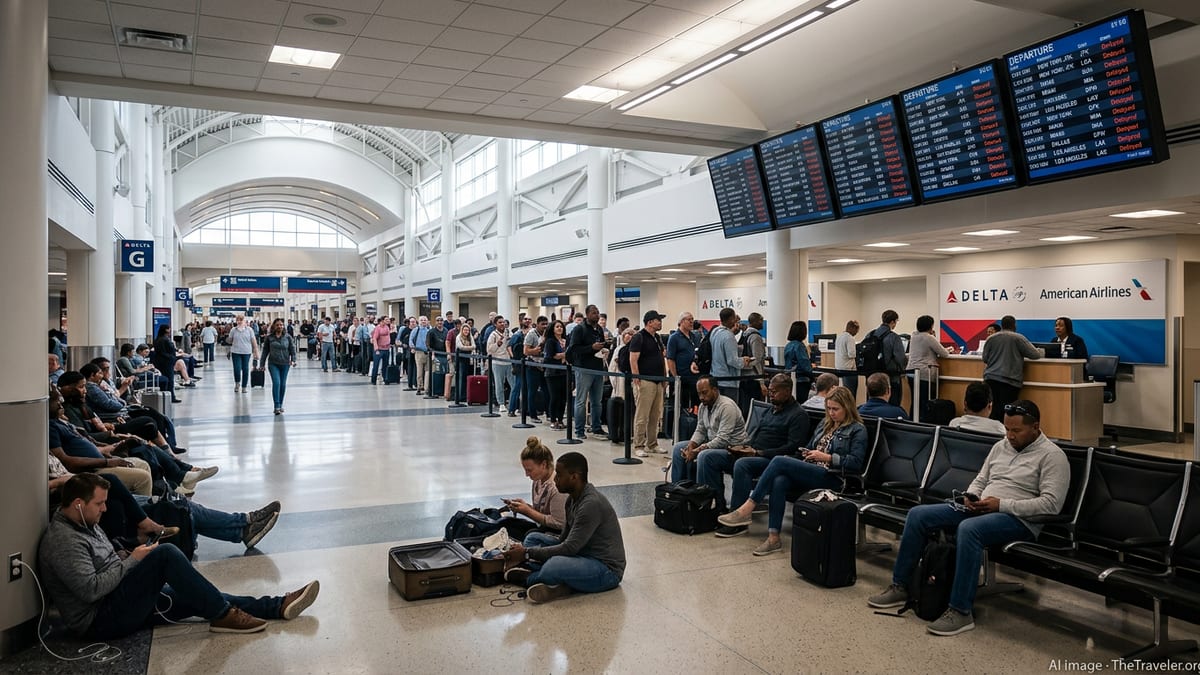
Hundreds of passengers traveling through San Francisco International Airport on April 9, 2026, are facing major schedule upheavals as 144 flight delays and nine cancellations ripple across services operated by Delta Air Lines, Lufthansa, Alaska Airlines, Air Canada, United Airlines and other carriers.
Get the latest news straight to your inbox!
Wave of Delays Snarls Major Domestic and International Routes
Publicly available flight tracking data for April 9 indicate that San Francisco International Airport has recorded 144 delayed departures and arrivals alongside nine outright cancellations, affecting a broad mix of domestic and long haul operations. The disruption is hitting some of the airport’s most heavily used corridors, including links to Los Angeles and Portland, as well as transatlantic services to Munich.
Delta Air Lines, United Airlines and Alaska Airlines, which all operate significant schedules at San Francisco, are among the most affected, with multiple departures pushed back by an hour or more. Lufthansa and Air Canada are also experiencing schedule strain, with knock-on effects for passengers connecting onward to Europe and Canada. Travelers report crowded gate areas, extended waits on the tarmac and rolling departure time revisions across several terminals.
The pattern of delays points to a mix of short haul and long haul disruption. Flights between San Francisco and Los Angeles, typically among the most frequent and time sensitive services on the West Coast, have seen repeated pushbacks, while at least one Lufthansa service to Munich has been delayed alongside other international departures. Regional links north to Portland and other Pacific Northwest cities are also running behind schedule.
Although the majority of affected flights remain operational, the relatively small number of cancellations has created outsized disruption as passengers from scrubbed departures are rebooked onto already full services. This has led to longer queues at customer service desks and tighter seat availability on alternative flights throughout the day.
FAA Runway Changes Add Structural Pressure at SFO
The latest disruption is unfolding just days after new Federal Aviation Administration runway rules at San Francisco International Airport began limiting the number of aircraft movements allowed per hour. Recent industry coverage explains that arrivals at the airport are now being capped at roughly two thirds of previous levels, following changes that restrict parallel landings and coincide with ongoing airfield construction work.
Under the revised procedures, SFO can accommodate fewer simultaneous approaches during peak periods, especially in marginal weather. While the airport remains fully open, the reduced arrival rate means even modest operational hiccups can quickly cascade into significant delays. Airlines have largely maintained their published schedules despite the new constraints, creating a tighter operating margin and less room to recover when problems arise.
Aviation analysts note that San Francisco has historically been more susceptible to delay spikes than some rival hubs due to its coastal location, variable wind conditions and tightly choreographed runway layout. The current combination of regulatory changes and infrastructure projects has deepened that vulnerability, making traffic more prone to bottlenecks when demand is high.
For passengers, the impact is visible in longer ground holds before takeoff and extended vectoring before landing as air traffic control sequences aircraft into the restricted arrival flow. Even when flights ultimately depart or arrive on the same day, these incremental waits accumulate across the network, helping to drive the 144-delay figure recorded today.
Knock-on Effects from Wider North American and European Disruptions
The local problems at San Francisco are intersecting with a wider pattern of disruption across North America and Europe in early April. In the past week, severe weather in Canada and the northeastern United States has triggered hundreds of delays and cancellations for Air Canada, Delta and several regional operators, with airlines cautioning that aircraft and crews may take days to return to normal rotations.
European operations have also been strained, with recent data showing more than 1,600 delays and dozens of cancellations across major hubs including Frankfurt, Munich, London Heathrow, Amsterdam and Copenhagen. Lufthansa, which operates the Munich service from San Francisco, has been among the carriers affected by these disruptions, creating additional complexity when planning inbound and outbound long haul flights.
Industry trackers suggest that today’s situation at SFO reflects both local structural issues and these broader network stresses. Aircraft arriving late from weather affected cities in Canada or Europe can compress turn times in San Francisco or force schedule swaps, contributing to the rolling delays visible on departure boards. When combined with the airport’s reduced arrival capacity, even a handful of late inbound flights can tip the system into a daylong backlog.
These overlapping pressures also make it harder for airlines to offer immediate rebooking options after a cancellation. With many flights already running behind and operating close to capacity, spare seats for stranded travelers headed to key destinations such as Los Angeles or Munich are relatively limited, prompting some passengers to wait for later departures or reroute through alternate hubs.
Impact on Travelers and Routes to Los Angeles, Munich and Portland
Among the most acutely impacted today are passengers scheduled on short haul shuttle-style services between San Francisco and Los Angeles. These flights are popular with business travelers and same day return passengers who often plan tight itineraries, leaving little margin for multi hour delays. As a result, missed meetings, rebooked hotel stays and extra ground transport costs are emerging as common complaints.
On the international side, disruption to routes linking San Francisco with Munich is complicating itineraries for travelers heading to or from southern Germany and central Europe. Delays on these long haul sectors can mean missed onward connections in Europe and longer layovers overnight. Some passengers are reportedly opting to reroute via alternative gateways such as Frankfurt, Vancouver or Toronto when space allows.
Services to Portland, an important regional link and growing tech corridor connection, are also feeling the strain. Delays on these relatively short hops may seem modest in isolation, but they can lead to missed domestic connections further inland, especially when travelers are attempting same day transfers. Publicly available information indicates that Alaska Airlines and other carriers operating this route have been juggling late arriving aircraft and high load factors as they try to absorb today’s schedule shocks.
With operations tight across the board, airport facilities at SFO are experiencing heavier crowds at peak times, particularly near gates used for West Coast shuttles and transatlantic departures. Concession areas and lounges are busier than usual as passengers wait out extended delays, and ground transport pick up zones are seeing surges when multiple late flights arrive in quick succession.
What Passengers Can Do as Delays Continue
Travel advisories from consumer groups and industry observers emphasize that passengers facing the disruption at San Francisco today should closely monitor their flight status through official airline channels and airport departure boards. Same day schedule changes remain common, and departure times can shift multiple times as airlines adjust to evolving slot availability and aircraft positioning.
For those with onward connections in hubs such as Los Angeles or Munich, experts recommend building in extra buffer time or requesting rebooking onto earlier flights where possible. Travelers whose flights have been canceled altogether can generally choose between rerouting on the next available service or requesting a refund, although exact options vary by carrier and ticket type.
Passenger rights depend heavily on the airline, the route and the cause of disruption. Observers note that routes touching the European Union or the United Kingdom may qualify for additional protections under local regulations if the delay or cancellation is considered within the airline’s control, while domestic U.S. services are governed primarily by individual carrier policies and Department of Transportation rules on refunds and tarmac delays.
As San Francisco adjusts to its new runway operating environment and airlines continue to work through wider network turbulence, aviation analysts expect intermittent pockets of disruption to remain a feature of travel through the airport in the coming weeks, especially during busy early morning and evening waves of departures and arrivals.