

More news on this day
Air travellers in Nigeria are being urged to brace for a fresh wave of flight delays and cancellations as the country’s aviation regulator highlights growing concerns over seasonal weather risks affecting operations across the network.
Get the latest news straight to your inbox!
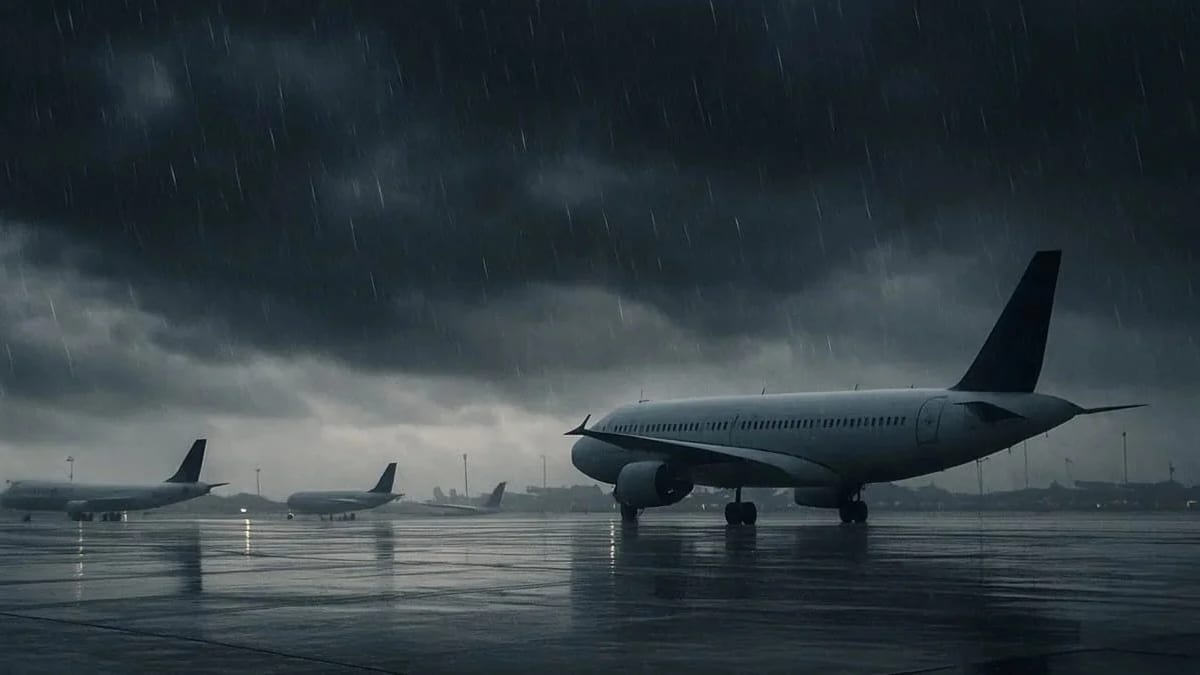
Regulator Flags Higher Disruption Risk As Rainy Season Nears
Publicly available information from Nigeria’s aviation sector indicates that the Nigerian Civil Aviation Authority (NCAA) has issued a fresh alert on likely flight disruptions as the 2026 rainy season builds, warning that poor visibility, storms and changing wind patterns could impact safe operations at several airports.
Recent coverage in Nigerian media reports that the regulator has drawn attention to increased convective weather, including thunderstorms and heavy rainfall, which can affect takeoff and landing, particularly at busy hubs such as Lagos and Abuja. The advisory underscores that safety margins will take precedence over schedule integrity, meaning airlines may hold, divert or cancel flights when conditions deteriorate.
The NCAA’s message comes against the backdrop of efforts to improve aviation infrastructure and weather forecasting capabilities in Nigeria, with the agency highlighting investments in modern navigational aids and meteorological systems. However, officials acknowledge in prior public statements that no technology can fully eliminate the operational impact of severe weather, especially during peak rainy months.
Recent Incidents Underscore Operational Vulnerability
Reports of disruptive weather have already surfaced ahead of the core rainy season, illustrating how quickly conditions can unravel flight schedules. Earlier in April, Nigerian outlet Vanguard detailed how a domestic carrier delayed an Ibadan–Abuja service after adverse weather prevented the aircraft from landing as planned, forcing a schedule adjustment that rippled through subsequent flights.
International operations have also been affected. Coverage from local news platforms in January described how a Saudi Arabian Airlines flight carrying returning pilgrims was diverted from Kano to Abuja due to poor weather, leaving passengers on board for hours as ground handling and regulatory clearances were sorted out. The incident highlighted the logistical strain that diversions can place on airports and airlines, particularly when multiple services are affected within a short window.
Aviation analysts in previous interviews with Nigerian newspapers have frequently cited weather as a recurring contributor to delays and cancellations, alongside aircraft availability, infrastructure constraints and high demand on popular domestic routes. The latest NCAA warning suggests that weather will again be a key pressure point for airlines already managing tight schedules and limited spare capacity.
What Travellers Can Expect At Nigerian Airports
Industry observers expect that passengers flying within and from Nigeria over the coming months may see more frequent last-minute schedule changes, gate holds and extended turnaround times, particularly in the late afternoon and evening periods when thunderstorms often intensify. Operations into smaller regional airports with limited instrument landing capabilities may be especially vulnerable to low visibility and crosswind limitations.
Public information from the NCAA and consumer-protection materials shared by Nigerian aviation specialists explain that carriers are required to prioritise safety whenever weather conditions fall below regulatory minima. In practice, this can mean pre-emptive cancellations before storms arrive, airborne holding while weather cells pass, or diversions to alternate airports with more favourable conditions or better landing aids.
Travellers are being encouraged by consumer advocates and travel commentators to build extra time into their itineraries, avoid ultra-tight connections with onward road or international segments, and monitor airline communication channels closely on the day of travel. Flexible tickets and willingness to accept re-routing may improve the chances of reaching final destinations when disruption peaks.
Passenger Rights When Flights Are Delayed Or Cancelled
Nigeria’s legal framework offers specific protections to air passengers affected by significant disruption. The Civil Aviation Act and associated consumer-protection regulations, as summarised by Nigerian law firms and advocacy publications, impose minimum standards of care on airlines, including timely information, basic welfare during long delays and, in some cases, refunds or re-routing.
Legal analyses published in early 2026 emphasise that passengers may be entitled to support such as meals, refreshments and hotel accommodation when delays extend beyond certain thresholds, particularly where the disruption lies within the airline’s control. However, those same analyses note that carriers can rely on defences where delays or cancellations stem from extraordinary circumstances outside their control, such as severe weather or mandatory safety directives.
Specialist guides to flying in Nigeria also stress the importance of documentation. Travellers are advised to retain boarding passes, receipts and written notifications from airlines, since these records can help determine whether a claim may succeed and which obligations the airline assumed on the day of travel. Where disputes arise, passengers may escalate complaints through airline channels and, if unresolved, lodge formal grievances with the NCAA’s consumer protection unit.
Airlines Balance Safety, Reliability And Rising Costs
For Nigerian carriers, the NCAA’s weather alert adds pressure to an operating environment already characterised by high fuel costs, a volatile exchange rate and constrained fleets. Local business coverage over the past year has highlighted how domestic airlines are contending with elevated maintenance expenses and aircraft shortages, factors that magnify the impact of any weather-related disruption.
When storms or low-visibility events force ground stops or diversions, airlines may need to reposition aircraft, reschedule crew and compensate passengers, all while trying to preserve network integrity. Industry commentary in Nigerian media notes that some carriers have responded by building more buffers into their schedules and accelerating fleet renewal, but these strategies take time to bear fruit.
The NCAA has previously encouraged airlines, in public-facing statements, to communicate more proactively with travellers during disruption and to ensure that contingency plans are in place ahead of predictable seasonal weather patterns. The latest warnings suggest that regulators will be watching closely to see how carriers manage safety and customer care as the rainy season intensifies in 2026.