

More news on this day
Travelers moving through Tampa International Airport faced fresh disruptions as a cluster of grounded flights and widespread delays involving Southwest Airlines, Virgin Atlantic and Delta Air Lines rippled across major domestic and international hubs on Friday.
Get the latest news straight to your inbox!
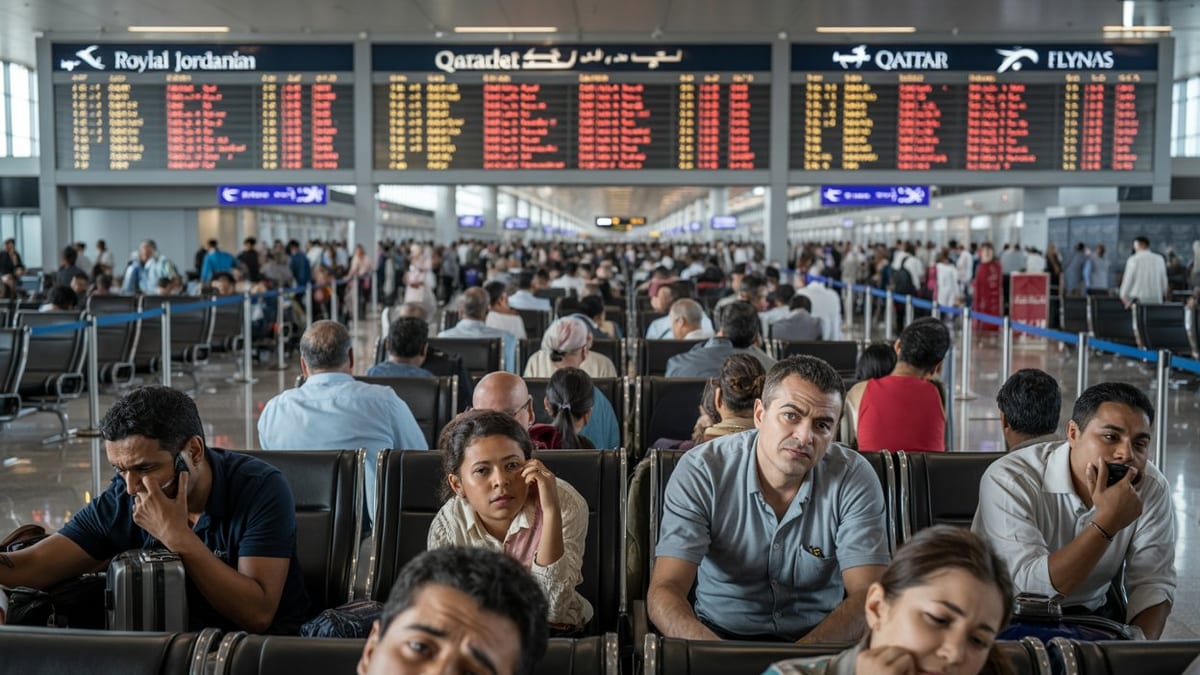
Cluster of Cancellations at Tampa Sends Shockwaves Through Network
Publicly available flight-tracking data for April 3 indicates that at least six departures and arrivals operated by Southwest, Virgin Atlantic and Delta Air Lines linked to Tampa International Airport were grounded or significantly delayed, concentrating the impact at one of Florida’s busiest gateways. While Tampa’s official airport status continued to show the facility itself operating, the aircraft and crew disruptions affecting individual carriers translated into real-time setbacks for passengers.
These grounded flights, which touched routes connecting Tampa with Atlanta, Chicago, London, Amsterdam and Austin, came amid a broader pattern of springtime strain on airline schedules. Industry dashboards tracking same-day performance showed elevated levels of delays across the United States and Europe on Friday compared with typical early April conditions, compounding the knock-on effect of any individual cancellation or long delay.
Operational information compiled from flight-status feeds suggests that several of the disrupted Tampa services were part of through-routing patterns, in which the same aircraft and crew are scheduled to operate multiple segments in a single day. When an early leg is grounded or heavily delayed, later flights using the same aircraft can quickly fall behind schedule, even if conditions at the next airport appear normal on arrival boards.
For Tampa, a market with strong domestic connectivity and growing transatlantic links through partners such as Delta and Virgin Atlantic, the timing is particularly sensitive. The disruptions landed as airlines continued to operate near peak spring schedules, with limited spare capacity to rebook passengers on alternate departures without creating crowding and longer connection times.
Southwest Struggles With Knock-On Delays to Chicago and Austin
Southwest Airlines, historically one of the dominant carriers at Tampa International, appeared among the hardest hit by Friday’s operational issues. Flight-status summaries for April 3 show a sequence of Tampa departures to key Southwest markets such as Chicago Midway and Austin affected by extended delays, with some rotations reportedly unable to depart as planned.
According to data reviewed from real-time tracking tools, flights between Tampa and Chicago Midway that typically operate in the early evening were running behind schedule, and at least one service was removed from departure boards. Similar patterns were visible on Tampa links feeding into the airline’s growing Austin operation, where delays on inbound aircraft from Florida narrowed already tight turn times.
These problems unfolded against a wider backdrop in which national data sets have identified Southwest as one of the U.S. carriers experiencing elevated delay volumes during the early April disruption window. The airline’s large point-to-point network creates flexibility in normal conditions, but on days with concentrated irregular operations, it also increases the likelihood that scattered disruptions can coalesce into a broader schedule problem affecting multiple cities.
For travelers booked on Southwest through Tampa on Friday, the impact often took the form of missed connections at Midway and Austin, longer layovers and, in some cases, same-day rebookings onto later departures. Check-in and customer service queues at Tampa’s Southwest concourses grew as the day progressed, as travelers sought options to reroute around heavily delayed flights.
Transatlantic Links Affected as Virgin Atlantic and Delta Hold Aircraft
The effects of the Tampa disruptions were not limited to domestic point-to-point services. Publicly accessible schedule and network documents show that Tampa sits within a broader transatlantic partnership linking Delta Air Lines and Virgin Atlantic with European hubs such as London and Amsterdam. Within that alliance framework, a small number of grounded or late-running flights in Florida can reach well beyond the region.
According to published coverage and network data, Friday’s issues included at least one Virgin Atlantic service connected to Tampa’s long-haul flow and Delta-operated flights that feed into transatlantic banks in London and Amsterdam. When aircraft that would normally move passengers from U.S. spokes into these European hubs are delayed or unused, travelers risk missing overnight departures, losing seats on heavily booked flights or facing extended stays in connecting airports.
Amsterdam and London were already experiencing heightened congestion in early April, with several European carriers contending with weather-related delays and crew-availability challenges. Additional disruptions tied back to U.S. feeds from airports like Tampa added more pressure to departure waves at London Heathrow and Amsterdam Schiphol, where gate availability and runway slots are tightly managed.
For Delta and Virgin Atlantic customers originating in Tampa, the complications were particularly acute for itineraries involving one-stop connections to continental Europe, the Middle East and Africa. A delay on an initial leg to a transatlantic gateway such as Atlanta, New York or a European hub reduces the margin for making onward flights, raising the risk of unplanned overnights or rebookings on alternative routings.
Ripple Effects Reach Atlanta, Chicago, London, Amsterdam and Austin
By midday Friday, disruption indicators for key hubs including Atlanta, Chicago, London, Amsterdam and Austin reflected the cascading impact of issues first visible in Tampa and other regional gateways. Aggregated delay statistics compiled by consumer-focused travel outlets pointed to thousands of late-running flights nationwide, with a notable concentration among carriers already facing resource constraints.
Atlanta, Delta’s primary connecting hub, saw a build-up of arriving flights from Florida markets, including Tampa, that were running behind schedule. Even when individual delays were measured in minutes rather than hours, the added congestion at gates and on taxiways contributed to departure queues, lengthening the timeline for afternoon and evening banks.
At Chicago Midway, one of Southwest’s core operations, the combination of weather-related spacing requirements and late-arriving aircraft from Florida and other regions limited schedule recovery. Flight boards showed a high proportion of services departing late, increasing the risk that passengers attempting tight connections after arriving from Tampa would miss onward flights.
On the European side, London and Amsterdam both reported elevated delay rates connected to transatlantic movements. Publicly accessible disruption summaries reported clusters of late departures and arrivals affecting U.S.-bound and Europe-bound flights, with Tampa-linked services feeding into an already stretched system. Austin, which has emerged as a growing focus city for multiple carriers, also experienced schedule strain as delayed inbound flights collided with afternoon departure peaks.
What Travelers Through Tampa and Connected Hubs Can Expect
While Friday’s issues did not reach the scale of the most severe meltdown events of recent years, reports from flight-tracking platforms and travel advisories signaled that Tampa-originating disruptions would likely continue to affect trip plans into the evening. Travelers with same-day connections in Atlanta, Chicago, London, Amsterdam and Austin faced the greatest risk of extended journey times.
Consumer guidance from travel publications tracking the April 3 disruption wave encourages passengers to monitor airline apps and third-party flight-status tools closely, particularly when itineraries pass through multiple congested hubs. Rebooking options in many markets remain limited on short notice due to high overall load factors in the spring period.
For Tampa International itself, the latest disruption episode underscores the complex role the airport now plays as both a major Florida origin-and-destination market and a participant in intricate domestic and transatlantic connecting networks. Even on days when local conditions appear manageable, operational challenges affecting a small number of flights can trigger far-reaching consequences once those aircraft are woven into broader schedules.
Travelers booked over the coming days on Southwest, Virgin Atlantic or Delta itineraries touching Tampa and the affected hubs are being advised by travel commentators and public reports to leave additional time for connections, prepare for potential schedule changes and remain flexible about rerouting options as airlines work to stabilize operations.