

More news on this day
Hundreds of travelers across the United States are facing unexpected schedule changes after a fresh wave of delays and cancellations at Boston Logan International Airport disrupted connections to major destinations including New York City, Charlotte Amalie, Austin and other key markets.
Get the latest news straight to your inbox!
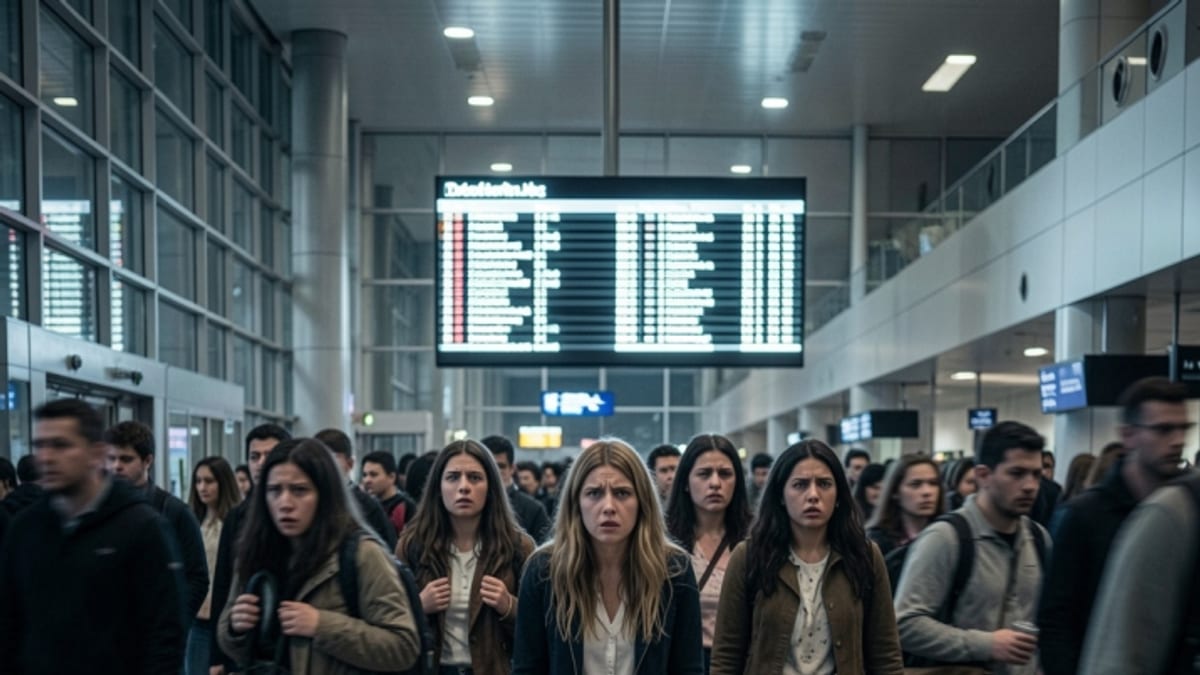
Image by Travel And Tour World
Delays Mount at a Key New England Hub
Publicly available flight tracking data on Monday indicates that operations at Boston Logan have been significantly strained, with around 165 flights delayed and at least 18 services canceled across the day. The disruption is concentrated among a mix of regional and mainline operators, underscoring the vulnerability of busy connecting hubs when operational pressures converge.
Republic Airways, which flies regional services on behalf of several major US brands, appears among the carriers with notable schedule changes from Boston. Delta Air Lines and Cape Air are also listed with affected services, alongside several other domestic operators that rely on Logan as a critical spoke in their national networks. The pattern reflects a broader trend in which both large and smaller airlines feel the impact when conditions at a single airport tighten.
While the absolute number of cancellations remains modest compared with large nationwide events, the combination of frequent short delays and targeted cancellations has created a difficult operating environment. Travelers are encountering rolling pushbacks in departure times that complicate tight connections and increase pressure on already crowded gate areas.
The timing of the disruptions comes as US air travel remains elevated heading into the spring travel period, with leisure demand showing little sign of cooling. For Boston, which serves both heavy business traffic and a large student population, even a single day of concentrated delays can quickly cascade into missed connections across the country.
Routes to New York, the Caribbean and Texas Affected
The latest disruption at Boston Logan is particularly visible on routes linking New England with key domestic and leisure destinations. Flights between Boston and the New York City area, including important shuttle-style services that support business travelers, show a cluster of delays that ripple into evening connections along the East Coast and onward to the Midwest and West.
Services toward the Caribbean are also feeling the strain. Routes involving Charlotte Amalie in the US Virgin Islands, typically served by combinations of mainline and regional partners via larger hubs, are among those affected when Boston departures run behind schedule. Even when these flights are not canceled outright, later-than-planned departures can jeopardize same-day onward connections.
Further west, links to Austin and other high-growth cities in the South and Southwest are experiencing knock-on disruption. Austin in particular has grown into a key tech and leisure market for New England travelers, and delays on Boston departures can quickly narrow options for passengers hoping to reach Texas in time for evening commitments.
Travel industry reporting notes that such route-level disruptions rarely remain localized. Once a Boston-originating aircraft misses its ideal departure window, the aircraft and crew may arrive late into their next station, compressing turnaround times and raising the risk of additional delays across the network.
Republic Airways, Delta, Cape Air and Others Under Pressure
The operational challenges at Logan are spread across several carriers, each bringing a different role in the broader US air system. Republic Airways, which primarily operates regional jets under major-brand banners, is especially exposed because its aircraft and crews often operate multiple short segments per day in and out of constrained Northeastern and Midwestern airports.
Delta Air Lines, one of the largest operators at Boston, also shows a number of delayed departures and arrivals on key routes. Public data suggests that the disruptions are scattered across both domestic trunk routes and select connecting services, adding complexity for passengers who rely on Delta’s Boston operations to reach secondary markets.
Cape Air, known for serving smaller communities in New England and beyond with turboprop aircraft, is facing its own set of schedule adjustments. Because many of its routes connect smaller coastal and island communities directly to Boston, any irregularity at Logan can have an outsized impact on travelers with limited alternative options or infrequent service.
Several other carriers operating from Logan are likewise contending with altered schedules, though with smaller absolute numbers of affected flights. For these operators, the main challenge lies in rebalancing aircraft and crew rotations to prevent a single day’s disruption from spilling over into subsequent days.
Weather, Congestion and a Fragile System
Recent months have illustrated how quickly the US air travel system can be strained by a combination of winter weather and persistent congestion. Severe storms earlier in the season caused thousands of cancellations and delays across major hubs, and Boston Logan has seen its share of weather-related ground stops and reduced-capacity operations during strong wind and snow events.
Although the current disruption is smaller in scale than those major winter storms, analysts note that each new bout of irregular operations tests the resilience of airline schedules. When aircraft and crews are already tightly utilized, even a modest number of additional delays can leave little slack in the system, particularly at popular coastal hubs.
Air traffic management initiatives such as ground delay programs, used recently at other major airports in the Northeast, illustrate how control measures taken to maintain safety and manage runway capacity can translate into lengthy waits for passengers. Travel industry coverage has highlighted how these programs, while effective at smoothing traffic peaks, can prolong recovery from disruptions throughout a given travel day.
Logan’s role as a gateway for both transcontinental and regional flights magnifies the effect. A delayed early-morning departure to New York or Washington can cascade into late-arriving aircraft for afternoon departures to the Midwest or the Caribbean, making it more difficult for airlines to restore normal operations before the end of the day.
What Passengers Can Do if Their Flight Is Affected
Consumer advocates and travel outlets recommend that passengers traveling through Boston Logan build extra time into their itineraries whenever widespread delays are reported. Allowing longer connection windows, especially for international trips or last flights of the day, can reduce the risk of missed onward travel when departure times slide.
Travel columns also emphasize the importance of monitoring flight status through airline channels and airport information screens rather than relying solely on the time printed on a boarding pass. Same-day schedule changes often occur in waves as airlines reassign aircraft or consolidate lightly booked flights, and travelers who respond quickly may be able to secure earlier rebooking options.
Guidance from aviation-focused consumer resources reiterates that passengers whose flights are canceled are typically entitled to a choice between rebooking and a refund. In practice, rebooking options on busy city pairs such as Boston to New York or Boston to Austin may be limited during peak periods, encouraging some travelers to consider alternative routings or even rail links on shorter corridors.
With more unsettled spring weather ahead and continued pressure on the US air network, industry observers suggest that travelers view the latest problems at Boston Logan as part of a broader pattern of fragile reliability. For those passing through New England’s primary air gateway in the coming days, vigilance and flexibility remain the most valuable tools.