

More news on this day
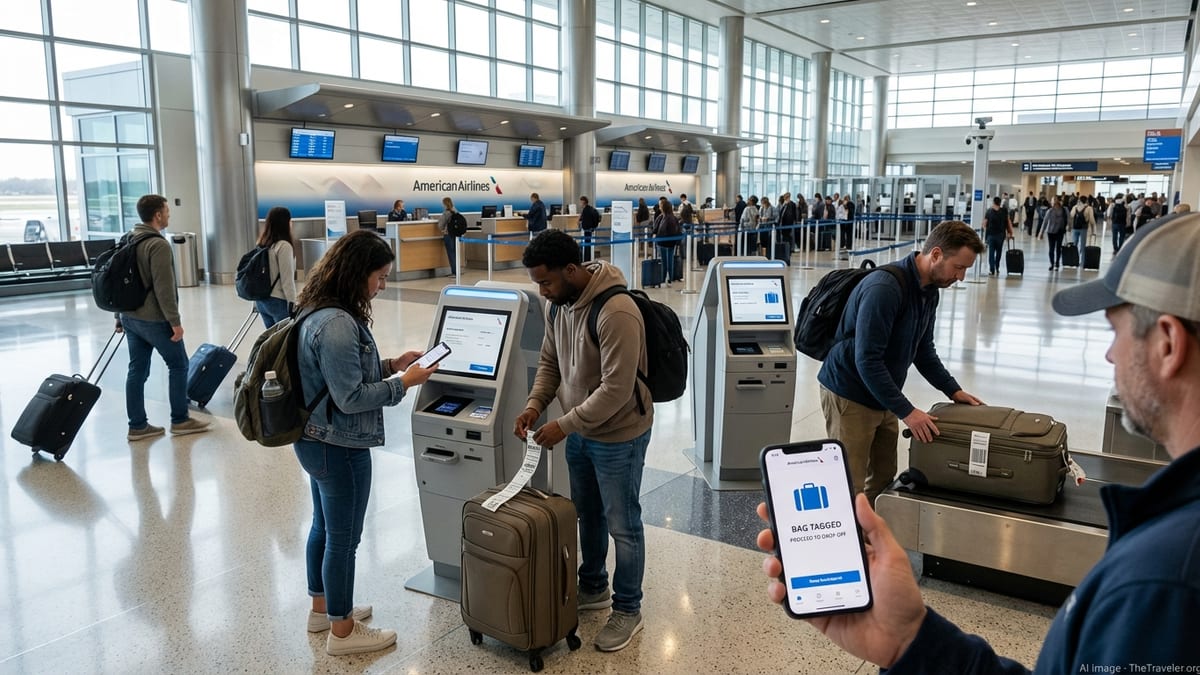
Travelers moving through Los Angeles International Airport on April 3 faced a fresh wave of disruption as at least six flights on Delta Air Lines, United Airlines and American Airlines were grounded, with dozens more services delayed and schedules rippling outward to major destinations including Chicago, Kailua-Kona, San Jose, Aspen and Nashville.
Get the latest news straight to your inbox!
Grounded Departures Trigger a Chain Reaction Across Key Routes
Publicly available flight-status boards and tracking data for April 3 indicate that a cluster of departures from Los Angeles International Airport involving Delta, United and American never left the gate, effectively grounding six scheduled flights during peak travel periods. While some cancellations were attributed to operational constraints within carrier networks already stretched by a busy spring schedule, others were tied to residual weather and traffic control programs elsewhere in the United States that reduced the number of arrivals and departures LAX could handle per hour.
The affected services included high-demand routes linking Los Angeles with Chicago, Hawaii and Northern California, along with seasonal and connecting services that touch smaller but strategically important markets. On days when aircraft and crews are tightly scheduled, the loss of even a handful of flights at a major hub can quickly translate into missed connections and rolling delays on subsequent legs, particularly for passengers who planned to connect in Chicago, Denver or Dallas after leaving LAX.
Reports from airline operational dashboards show that delayed turnarounds and late-arriving inbound aircraft contributed to the decision to cancel or delay multiple flights rather than risk pushing congestion deeper into the evening schedule. For airlines such as Delta, United and American, which each operate dense banks of departures from LAX, the grounded flights became pressure points reverberating across West Coast, transcontinental and Hawaii-bound networks.
Data compiled by flight-tracking services for recent disruption events in March and early April show that when national weather or air-traffic constraints collide with already tight airline schedules, the share of delayed or canceled departures at major hubs can climb quickly. Los Angeles, as one of the busiest U.S. gateways, remains particularly vulnerable when operational buffers are thin and aircraft utilization is high.
Chicago and Other Hub Cities Absorb the Worst of the Delays
Chicago, a core hub for United Airlines and an important market for both American and Delta, was among the hardest hit by the Los Angeles disruptions. Flight schedules between LAX and Chicago O’Hare show a dense pattern of daily nonstop services that feed domestic and international connections, so every grounded or delayed departure on the route risks cascading into missed onward flights and overnight misconnects for travelers throughout the Midwest and East Coast.
Recent national coverage of U.S. flight performance has highlighted how weather-related ground delay programs and airport congestion at Chicago O’Hare can feed back into West Coast operations. When departures from O’Hare are metered or arrivals slowed, flights scheduled to shuttle between Chicago and Los Angeles often depart late, arrive late, or are removed from the schedule entirely, creating knock-on effects in both directions. On disruption-heavy days, that pattern appeared again, amplifying the impact of LAX-origin cancellations.
Other hubs also felt the strain. Published delay statistics for major U.S. airports over the last year show that high-volume connecting points such as Atlanta, Denver and Dallas frequently see spikes in late operations when coastal hubs like Los Angeles experience their own disruptions. As aircraft and crews reposition through the system, flights that were originally scheduled as routine domestic hops can end up departing hours late or in some cases being consolidated or canceled outright.
This interconnected web of hub operations means that a grounded aircraft in Los Angeles may ultimately translate into a delayed regional jet in a smaller city thousands of miles away. For travelers beginning their journeys at LAX on April 3, that often meant uncertainty not only about their first flight, but also about whether later connections in Chicago or other hub cities would still be viable by the time they arrived.
Island, Mountain and Tech Corridors Face Knock-On Effects
The impact of the LAX disruptions extended far beyond traditional hub-to-hub routes. Flight schedules show that Los Angeles maintains a key role in connecting the U.S. mainland to Hawaii, including Kailua-Kona, with multiple services marketed by major carriers or their partners. When departures from LAX encounter extended delays or groundings, travelers heading to island destinations often have few same-day alternatives, especially on routes with limited daily frequencies.
Similarly, seasonal and leisure-oriented services linking Los Angeles with mountain destinations such as Aspen are particularly sensitive to cancellations. Many of these flights operate only on select days or with a single daily roundtrip, so a grounded departure from LAX can leave skiers and resort visitors scrambling for complex rerouting via Denver, Salt Lake City or Phoenix. Publicly available destination guides and schedule data indicate that these seasonal operations rely heavily on precise aircraft rotations to maintain profitability, leaving little margin when disruptions hit.
San Jose and the broader Silicon Valley region also figure prominently in the pattern. Airline timetables show that LAX to San Jose is a high-frequency corridor used by both business and leisure travelers who depend on quick hops for day trips, product launches and tech conferences. When multiple carriers report delayed or canceled LAX departures to San Jose on the same day, on-the-ground congestion at both ends increases, and premium travelers in particular may switch to driving or alternative Bay Area airports, further complicating demand forecasts.
Nashville, a fast-growing leisure and business destination, rounds out the list of cities affected by the LAX turmoil. Connective schedules between Los Angeles and Nashville often rely on a mix of nonstop and one-stop itineraries via hubs such as Dallas, Denver or Phoenix. Grounded flights at LAX effectively break some of those connecting chains, contributing to missed events, rebookings and an uptick in overnight stays for travelers caught mid-journey.
Underlying Pressures: High Demand, Tight Schedules and Systemic Vulnerability
Recent analyses of U.S. aviation performance point to several structural factors that make hubs like Los Angeles especially susceptible to disruption. Passenger throughput data published by federal transportation agencies show that national aviation volumes have climbed back toward or above pre-pandemic levels, with major hubs handling sustained high passenger loads throughout much of the year. At the same time, airlines have tightened schedules to maximize aircraft utilization, leaving less slack in the system when things go wrong.
Research into delay patterns across the domestic network has also suggested that non-weather issues, including security bottlenecks and ground handling constraints, are playing a growing role in knock-on delays. When those factors intersect with weather-related traffic management initiatives at key hubs, the probability of multi-hour disruptions increases. LAX, with its concentrated banks of departures for Delta, United and American, is one of the airports where this convergence is most visible.
Airline network strategies have further increased the dependence of secondary destinations on a small number of trunk routes. Cities such as Aspen or Kona may be linked to Los Angeles by only a handful of daily flights, sometimes operated with specific aircraft types tailored to runway or performance limitations. Grounding even one of those flights can force rebookings across several airlines and multiple connecting hubs, prolonging recovery times.
Against this backdrop, travel-advisory coverage for the current spring period has increasingly recommended that passengers build more buffer time into itineraries touching congested hubs, especially when traveling through Los Angeles on routes that involve connections in Chicago or serve leisure-heavy destinations. The events at LAX on April 3 offered another reminder of how swiftly localized cancellations and delays can spread across the wider U.S. air travel system.
What Travelers Can Expect in the Coming Days
Based on patterns seen in prior disruption events, residual delays from the April 3 turmoil at LAX may continue into subsequent days as airlines work through aircraft repositioning and crew scheduling constraints. Even after grounded flights are cleared from departure boards, late-arriving aircraft can cause follow-on delays, particularly on early-morning and late-evening departures when substitution options are limited.
Published guidance from airlines and travel-advice outlets suggests that passengers booked on Delta, United or American flights touching Los Angeles, Chicago, Kailua-Kona, San Jose, Aspen or Nashville should monitor their itineraries closely for schedule changes. Same-day adjustments often appear in booking apps and airline websites before they are displayed on airport monitors, and alternative routings via other hubs may open and close quickly as seats fill.
Publicly available information also indicates that carriers typically prioritize rebooking for travelers with missed connections and those on longer-haul international segments, which can leave some domestic-only passengers facing longer waits. On busy spring travel days, hotel availability near major hubs can tighten rapidly, prompting airlines and airports to encourage passengers to plan proactively in case of overnight disruptions.
While the precise mix of weather, air-traffic control initiatives and operational challenges behind the April 3 LAX groundings will become clearer as more data is compiled, the immediate effect for travelers was unmistakable: crowded gate areas, reprinted boarding passes and uncertain arrival times stretching from the West Coast to the Midwest, the Rockies and beyond.