

More news on this day
Air travel to some of Italy’s most popular gateways is facing fresh disruption, with publicly available aviation data indicating 66 flight delays and 11 cancellations affecting services to Venice, Catania and Pantelleria and involving major European carriers including British Airways, Lufthansa and Danish Air Transport.
Get the latest news straight to your inbox!
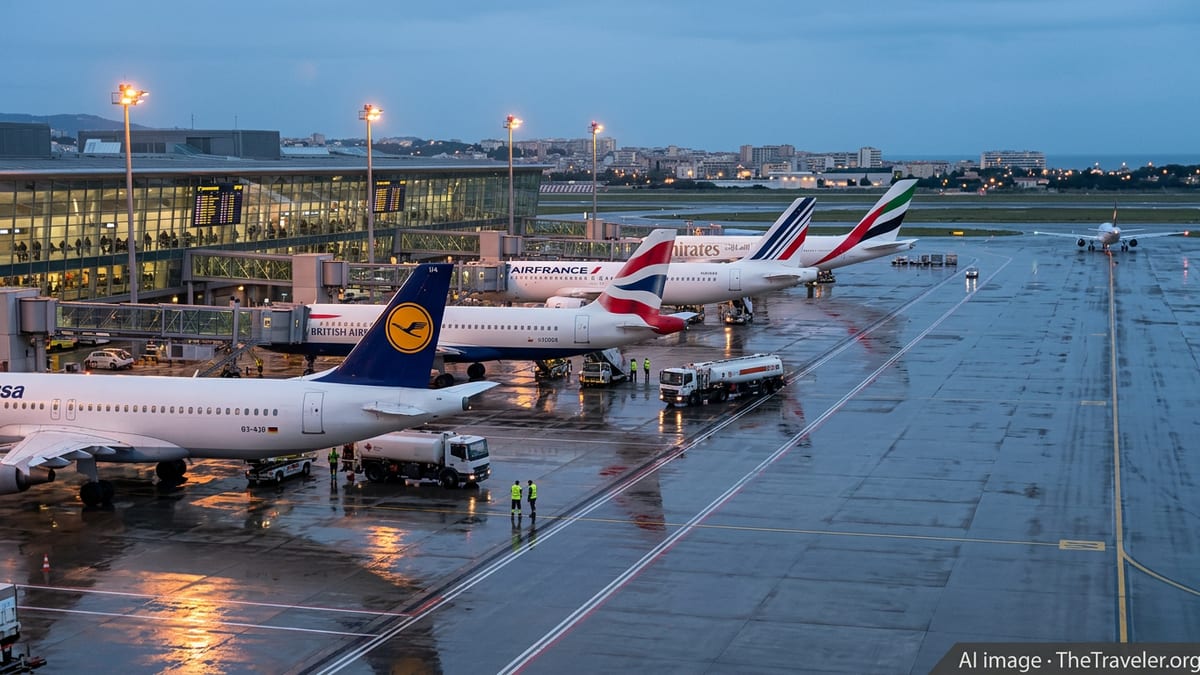
Major European Carriers Caught in Fresh Wave of Disruptions
The latest figures highlight renewed strain across European aviation networks at the start of the busy spring travel period. British Airways, Lufthansa and Danish Air Transport are among the airlines linked to the 66 delays and 11 cancellations reported on routes connecting Venice, Catania and Pantelleria with other European hubs. The disruptions span both domestic and international services, affecting leisure travelers headed for beaches and historic cities as well as business passengers relying on tight connections.
Published operational data and recent coverage on European air travel performance suggest that these carriers have already been navigating a challenging environment in recent weeks, with wider networks in Germany, the United Kingdom and elsewhere in Italy also experiencing irregular operations. The clustering of fresh delays around Venice Marco Polo, Catania Fontanarossa and the island airfield at Pantelleria underlines how quickly localized issues can ripple through broader schedules.
While the precise mix of causes behind the current wave of disruptions has not been fully detailed, recent patterns across Europe include capacity constraints, weather-related restrictions and knock-on effects from congested hubs. The involvement of large network airlines such as Lufthansa and British Airways increases the likelihood that a single delayed or cancelled rotation can have secondary effects on subsequent flights.
Venice, Catania and Pantelleria See Knock-On Effects
Venice Marco Polo, one of northern Italy’s busiest international gateways, has been a focal point for recent schedule pressure. Reports on European flight performance show that the airport has already featured in broader statistics on cancellations and delays this week, reflecting its role as a key link between Italy and major hubs in Germany, the United Kingdom and beyond. Even a relatively modest number of disrupted flights can quickly translate into crowded departure halls and long queues for rebooking.
In Sicily, Catania Fontanarossa is again contending with operational strain. The airport serves as a principal entry point for the island, with a dense mix of seasonal and year-round routes operated by full-service and low-cost airlines. Recent seasons have shown how sensitive the airport is to weather incidents or infrastructure constraints; once schedules begin to slip, recovery can take several rotations, particularly on high-demand routes.
Pantelleria, a smaller island destination in the Strait of Sicily, is particularly exposed when flights are delayed or cancelled, due to its limited number of daily services and reliance on carriers such as Danish Air Transport for connectivity to the mainland and larger Sicilian airports. When a single service is disrupted on these routes, passengers may face extended waits for the next available seat, and same-day alternatives are often scarce.
Impact on Passengers and Peak-Season Bookings
Travelers heading to Italy’s northeast and southern islands are reporting longer journey times, missed onward connections and the need to make short-notice accommodation changes. Even when flights eventually depart, delays of several hours can lead to missed hotel check-in windows, lost pre-booked transfers or tours, and extra costs for food and last-minute transport adjustments during long airport waits.
The timing of the disruptions coincides with growing demand for late spring and early summer travel to Italy, a period when aircraft are already operating near capacity on many routes. With high seat load factors, rebooking passengers from cancelled or significantly delayed flights can be more difficult, as airlines have fewer empty seats on subsequent services. Travelers are therefore more likely to be routed through alternative hubs or rebooked for next-day departures.
Publicly available guidance from travel-industry and consumer advocacy organizations notes that passengers facing long delays or cancellations on flights touching the European Union may have entitlements to care, rerouting or compensation, depending on the cause of the disruption and the specific itinerary. Those traveling to or from Venice, Catania or Pantelleria are being advised in published materials to retain boarding passes, confirmation emails and receipts for essential expenses in case they need to document claims later.
Operational Pressures Across the European Network
The situation in Italy is unfolding against a wider backdrop of irregular operations across Europe. Recent data compilations and news coverage on regional air traffic show elevated levels of cancellations and delays at several major hubs, including London, Frankfurt, Munich and Rome. Large network carriers such as Lufthansa and British Airways are central in these statistics, reflecting their extensive schedules and reliance on complex hub-and-spoke systems.
When disruption occurs at one or more primary hubs, the effects can quickly propagate along secondary routes to leisure destinations like Venice and the Sicilian islands. Aircraft and crews that arrive late at a hub may depart late again on their next leg, and rotation-based schedules mean that a problem early in the day can cascade into evening waves of departures. Regional airports that depend on a small number of daily frequencies are especially vulnerable to this domino effect.
Aviation performance reports for recent months indicate that, even as passenger volumes approach or exceed pre-pandemic levels, infrastructure and staffing levels in some markets remain constrained. Air traffic control restrictions, ground handling bottlenecks and tight turnaround times all contribute to a fragile operating environment, where minor schedule upsets can more easily lead to clusters of delays such as those now affecting routes to Venice, Catania and Pantelleria.
What Travelers Can Do Right Now
Travel advice circulated by airlines, airports and consumer-rights organizations encourages passengers booked on upcoming flights to or from Venice, Catania or Pantelleria to monitor their flight status frequently on the day of travel and to allow extra time at the airport. Same-day notifications about gate changes, revised departure times or equipment swaps are common when networks are under strain, and those who arrive closer to departure may have fewer options if their service is disrupted.
Guidance from passenger-advocacy resources also recommends that travelers familiarize themselves with the conditions of carriage of their chosen airline and, where applicable, European regulations covering delays and cancellations. Understanding whether the cause of disruption is within the airline’s control can influence eligibility for financial compensation, as opposed to circumstances such as severe weather or airspace closures that typically fall outside compensation frameworks.
For those still in the planning stages of trips to Venice, eastern Sicily or Pantelleria, industry commentary suggests considering slightly longer connection times, especially when using large hubs that are currently experiencing elevated delays. Flexible booking options, including tickets that allow free date or routing changes, can provide an additional buffer if operational issues continue to affect key carriers and routes into Italy during the coming weeks.