

More news on this day
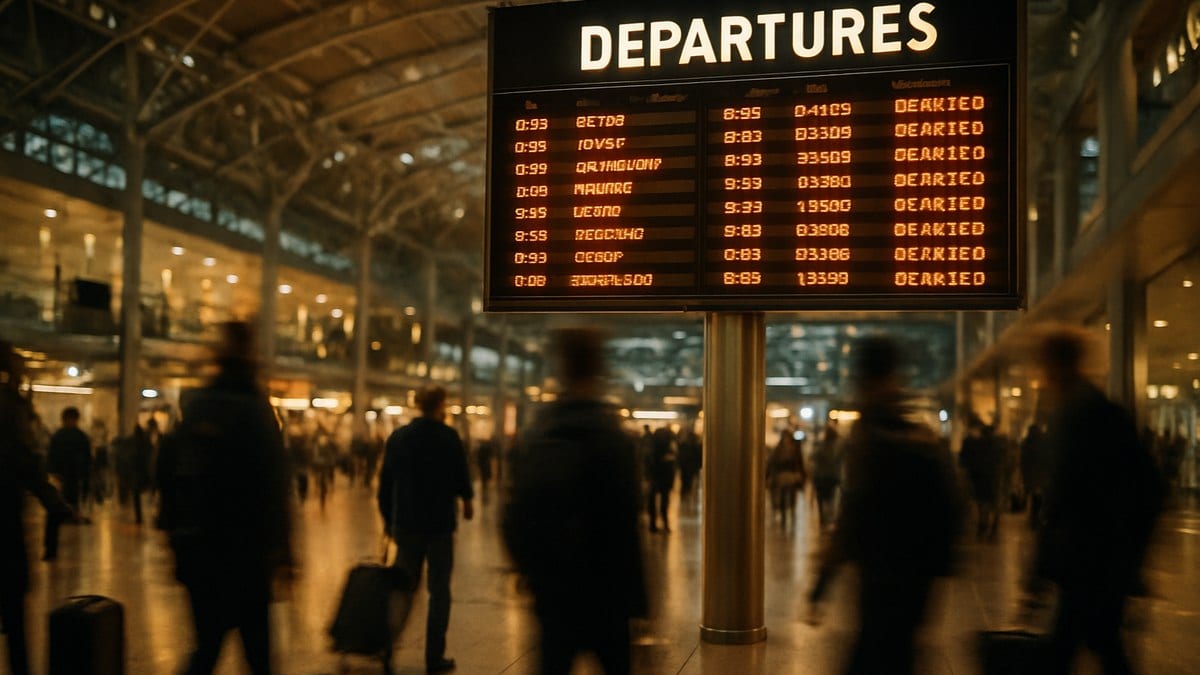
Dozens of flights faced delays at São Paulo–Guarulhos International Airport, where data for the latest operating period show 53 services running late and a ripple of disruption spreading across Brazil’s busiest air hub.
Get the latest news straight to your inbox!
A Hub Under Strain As Delays Accumulate
Publicly available tracking data point to 53 delayed flights at São Paulo–Guarulhos over a recent operating window, underscoring how even a relatively short burst of disruption at Brazil’s main international gateway can strain schedules. The airport handles a dense mix of domestic shuttles and long haul links, so any slowdown quickly affects onward connections in Brazil and abroad.
Reports indicate that Guarulhos has been operating near capacity on peak days, with tight aircraft rotations and limited spare gate and runway availability. When departures are pushed back, arriving aircraft often wait for stands to clear, compounding late running across multiple airlines.
Travel industry coverage notes that similar disruption patterns have been seen across Brazil this month, with São Paulo repeatedly at the center of knock on delays. On days when Guarulhos falters, carriers are left juggling crews, aircraft and passenger rebookings while trying to keep the rest of their network on time.
Recent Operational Shocks Expose Vulnerabilities
The latest wave of delays comes on the heels of several operational shocks at Guarulhos and other São Paulo airports. Published coverage describes a recent incident in which smoke in an air traffic control facility serving the São Paulo area halted movements at both Guarulhos and Congonhas for more than half an hour, triggering a cascade of cancellations and delays that rippled through Brazil’s domestic network.
In a separate episode, international media reported that a Delta Air Lines widebody aircraft departing Guarulhos experienced an engine problem shortly after takeoff, showering debris on airport grounds and prompting an immediate return to the airport. While the flight landed safely, the unplanned return required ground handling, inspections and rescheduling activity that added to congestion at the already busy hub.
Analysts following Brazilian aviation note that such events do not need to be prolonged to cause significant disruption. With aircraft often scheduled on tight turnarounds between Brazilian cities such as Rio de Janeiro, Florianópolis, Brasília and Recife, a delay or temporary suspension of movements in São Paulo can quickly lead to missed slots and repositioning challenges across the wider network.
Knock On Effects Across Brazil’s Domestic Network
Coverage from Brazilian and international travel outlets highlights that Guarulhos is both an origin and a through point for a large share of domestic itineraries. When dozens of services are delayed, passengers bound for secondary cities frequently lose onward connections or arrive after local curfews, forcing rebookings to the following day.
Recent reports on disruption across multiple Brazilian airports describe hundreds of delays and dozens of cancellations in a single day, with Guarulhos and nearby Congonhas handling a large share of the affected flights. In these circumstances, smaller airports rely on late arriving aircraft from São Paulo, and any extended delay in the hub can leave local routes without equipment or crews.
Travel data platforms also point to increased congestion at alternative hubs such as Rio de Janeiro–Galeão and Florianópolis when São Paulo experiences problems. Some airlines respond by rerouting passengers through these airports, but that strategy can further burden already busy terminals and extend overall journey times.
Passenger Experience: Long Queues And Overnight Stays
Consumer platforms and social media posts from recent disruption days depict familiar scenes at Guarulhos: crowded departure halls, long lines at check in and security, and passengers trying to obtain meal vouchers or hotel rooms when delays stretch into the night. With 53 flights delayed in the latest incident, even modest average hold times translate into thousands of additional passenger hours spent in the terminal.
Brazilian consumer advocates point to existing rules that require airlines to offer assistance such as communication support, food and accommodation when delays or cancellations reach certain thresholds. Legal guidance distributed online emphasizes that affected travelers can request reimbursement or rebooking on later services, and in some cases may pursue financial compensation when disruptions are attributable to airline operations rather than extraordinary circumstances.
Travel commentary suggests that not all passengers are fully aware of these rights, particularly international visitors using Guarulhos as a connection point. As a result, some travelers remain in the terminal without claiming assistance to which they may be entitled, while others choose to make their own arrangements and seek reimbursement at a later stage.
What Travelers Should Expect In The Coming Days
With Guarulhos continuing to operate near the upper end of its capacity, aviation analysts expect periods of intermittent disruption to persist, especially during evening peaks and around major holiday weekends. Weather, technical issues and staffing constraints in air traffic control can all contribute to further episodes similar in scale to the latest 53 flight delays.
Travel industry guidance encourages passengers transiting São Paulo to build additional time into connections, particularly when moving between domestic and international terminals or when connecting to the final flight of the day to smaller Brazilian cities. Longer layovers can reduce the risk of missed onward flights when delays develop late in the schedule.
Advisories circulating on travel platforms recommend that passengers monitor flight status frequently on the day of travel and remain flexible about routing. When disruptions escalate at Guarulhos, some airlines may offer rebooking via alternative hubs within Brazil or through other South American cities, strategies that can help travelers avoid the most congested periods at the São Paulo hub.