

More news on this day
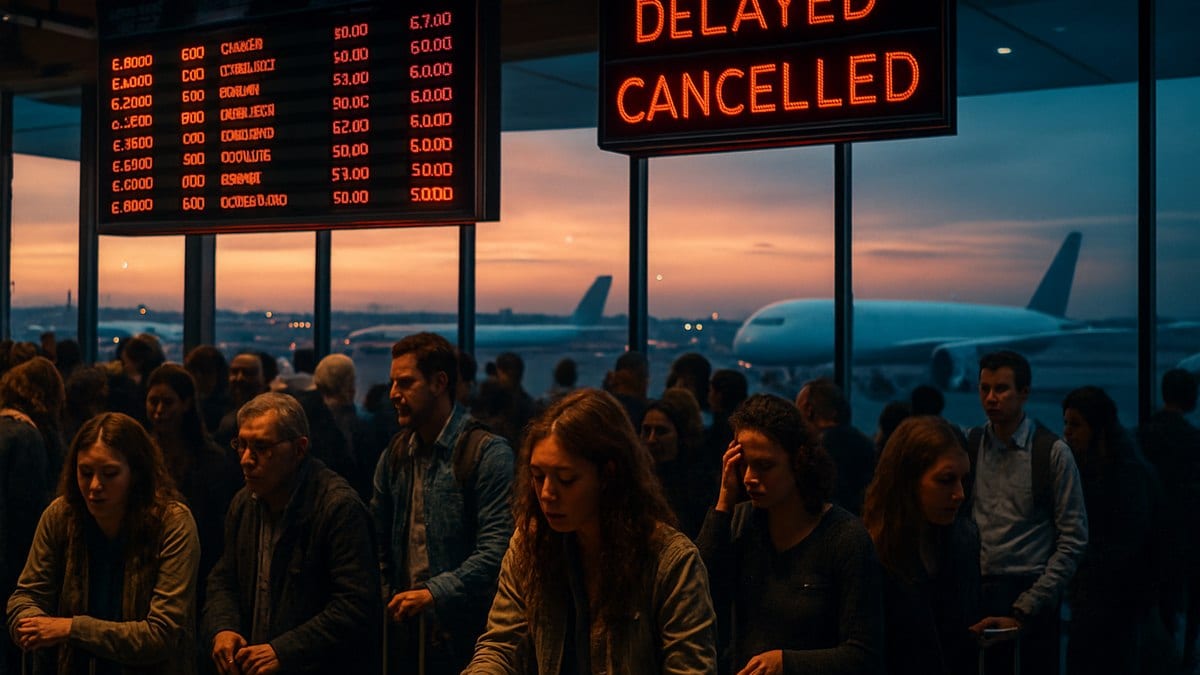
Flight operations at Australia’s two busiest gateways, Sydney and Melbourne, were heavily disrupted on April 12, with widespread delays and cancellations creating long queues, missed connections and a ripple effect across domestic and international networks.
Get the latest news straight to your inbox!
Major Delays Hit Key Domestic and International Routes
Reports from flight tracking platforms and passenger accounts indicate that services into and out of Sydney and Melbourne experienced significant disruption throughout April 12. A combination of weather-related constraints on the east coast, congestion in busy time slots and aircraft rotation issues led to long ground holds and late departures.
Domestic corridors such as Sydney to Melbourne and Sydney to Brisbane were among those affected, with some services cancelled outright and others departing hours behind schedule. Information from online aviation data providers shows aircraft placed into holding patterns near Sydney, compounding congestion as peak morning and evening traffic banks built up.
International connections also came under pressure as late-running domestic feeder flights left passengers scrambling to make onward services to Asia, the Middle East and Europe. Social media posts from travelers referenced missed long haul departures and difficulty securing same-day alternatives, particularly on already busy school holiday services.
Operational data suggests that once delays accumulated during the morning peak, airlines struggled to recover their timetables, leading to rolling disruptions that extended into the evening and impacting flights scheduled to arrive or depart late at night.
Airlines Battle Aircraft and Crew Dislocation
Publicly available information from airline schedules and tracking sites shows that carriers at both Sydney and Melbourne were forced to adjust operations repeatedly as the day progressed. When early services were delayed or cancelled, aircraft and crew ended up in the wrong place at the wrong time, creating further knock-on effects.
On high-frequency domestic routes, some airlines consolidated lightly booked services or re-accommodated passengers across remaining flights, a common tactic used to stabilize disrupted schedules. However, this often resulted in fully booked departures and left limited flexibility for travelers hoping to move to earlier or later options.
For international operations, disruptions at Sydney and Melbourne coincided with tight long haul rotations that rely on quick turnarounds. Aircraft arriving late from overseas or from other Australian cities reduced turnaround windows, while any additional safety or maintenance checks further compressed schedules and contributed to subsequent delays.
Industry analysts note that such days of intense disruption can disrupt aircraft positioning for several cycles, meaning that irregularities on April 12 may still be visible in punctuality statistics and schedule adjustments over the following days.
Passengers Face Long Queues, Rebookings and Uncertainty
Travelers caught in the April 12 disruptions reported lengthy queues at check in counters, bag drops and service desks as they sought rebooking options or information about delayed departures. With many flights operating close to capacity, especially at the tail end of the school holiday period for some states, same-day alternatives were frequently limited.
Accounts shared online describe passengers being advised to monitor airline apps and airport departure boards closely, with some learning of cancellations only shortly before planned boarding times. Others described being rebooked on multi-stop itineraries or on services operating on later dates, particularly when seeking to travel to Europe or other long haul destinations.
Families and leisure travelers appeared to be among the most affected, with many itineraries involving connecting flights through major hubs in Asia and the Middle East. Missed connections often required overnight stays or extended stopovers, adding accommodation and meal costs to the frustration of disrupted plans.
Some passengers reported that travel insurance providers were fielding a spike in claims inquiries related to missed connections and additional expenses, reflecting the broader financial impact that a single day of severe disruption can have on households as well as on airlines.
Operational and Weather Factors Under Scrutiny
While the exact mix of causes varied across individual flights, operational data and publicly available reports point to a combination of weather constraints, air traffic control flow management and airline scheduling pressures. Periods of reduced arrival and departure rates at Sydney, often linked to winds or low cloud, can quickly build holding patterns and ground delays.
When air traffic capacity is temporarily reduced, airlines may be asked to delay departures from other airports, including Melbourne, to avoid excessive airborne holding near Sydney. This can reverberate across the domestic network, affecting cities that are not experiencing adverse conditions themselves but are tightly linked to Sydney’s capacity.
Analysts also highlight that continued strong demand on popular domestic routes has left little slack in timetables, especially during busy weekends and holiday periods. When a disruption event coincides with near-full load factors, recovery options such as moving passengers to other flights or adding extra services are limited.
Industry observers suggest that the April 12 problems will feed into ongoing discussions in Australia about airport slot management, investment in air traffic infrastructure and the resilience of airline schedules during peak periods and challenging weather conditions.
Travel Advice for Upcoming Passengers
For travelers due to fly in the days following April 12, travel experts recommend allowing additional time at both Sydney and Melbourne airports and closely monitoring flight status through airline apps and departure boards. Given the lingering effects of the disruption, some residual delays remain possible as carriers work to return aircraft and crew to normal rotations.
Passengers with critical connections, particularly for long haul flights to Europe, the Americas or Africa, are advised by consumer advocates to build in longer layovers where possible and to check the minimum connection times recommended in booking systems. Where itineraries involve separate tickets on different airlines, additional buffer time may be especially important.
Travel planning services also encourage passengers to keep receipts for any extra accommodation, meals or transport incurred due to flight irregularities, in case these costs can be recovered from airlines or travel insurance providers. Understanding policy details before travel can make it easier to navigate claims if schedules are significantly disrupted.
With Australia entering a period of sustained demand for both domestic and international travel, the April 12 disruptions at Sydney and Melbourne serve as a reminder of how quickly conditions can change for air travelers, and how important preparation and flexibility can be when flight operations become unstable.