

More news on this day
Hundreds of passengers were left stranded across Turkey’s busiest airports today as a wave of 81 flight cancellations and 192 delays disrupted operations for major carriers including Turkish Airlines, Pegasus, Lufthansa and Emirates, snarling travel through Istanbul, Antalya, Sabiha Gokcen, Izmir and several regional hubs.
Major Turkish Gateways Buckle Under Disruption
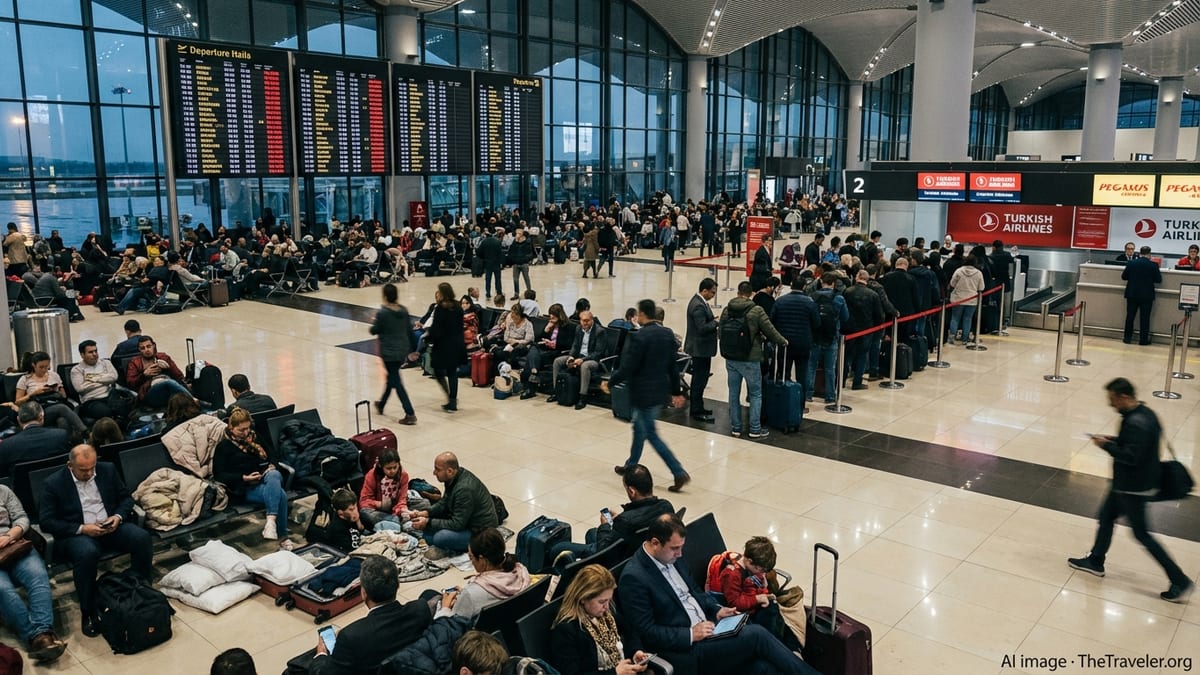
The latest operational turmoil rippled first through Istanbul’s main airport and Sabiha Gokcen on the Asian side, where early-morning cancellations quickly cascaded into afternoon delays. Check in halls filled with confused travelers watching departure boards flicker from “scheduled” to “delayed” in rapid succession.
Antalya and Izmir, critical gateways for both domestic connections and inbound leisure traffic, reported mounting backlogs as aircraft and crews failed to arrive on time from Istanbul. Ground staff said that aircraft rotations were repeatedly reset, with some jets turning back to their origin airports and others held at remote stands while new departure slots were assigned.
Regional airports feeding into these hubs also felt the strain. With many flights operating as part of tight, multi-leg rotations, a cancellation or long delay in Istanbul had immediate knock-on effects in cities across Turkey, where passengers boarded expecting short domestic hops only to be told their connecting flights onward to Europe or the Gulf were no longer operating.
Airport authorities described the situation as fluid, emphasizing that runway operations remained safe but heavily constrained. They urged passengers to arrive early, stay in close contact with their airlines and expect longer queues at security, check in and rebooking desks throughout the day.
Turkish Airlines and Pegasus at the Center of the Turmoil
As the country’s largest carrier, Turkish Airlines bore a significant share of the disruption, with multiple short and medium haul services scrapped or delayed, particularly on high frequency routes linking Istanbul with Izmir, Antalya and other domestic destinations. The airline initially prioritized maintaining long haul departures where possible, reassigning aircraft and crew from shorter sectors.
Pegasus, based at Istanbul Sabiha Gokcen, was also heavily affected as delays at its primary hub quickly reverberated across its dense network of domestic and regional routes. Passengers reported long lines at customer service counters and difficulty reaching call centers as thousands sought new itineraries or compensation information.
Both carriers deployed additional ground staff to assist with rebookings and meal and hotel vouchers where required, but many travelers described a patchwork of responses, with some receiving digital rebooking notifications on their mobile phones while others said they were left waiting for updates at the gate. Language barriers added to the confusion for foreign visitors unfamiliar with the airports and local procedures.
Industry analysts noted that the scale of the disruptions underscored how reliant Turkey’s air transport system has become on tightly timed hub operations. When those hubs are constrained, even for a few hours, the impact can quickly multiply across dozens of routes and several airlines.
International Carriers Lufthansa and Emirates Also Hit
Lufthansa and Emirates, which both operate key services into Istanbul and other Turkish destinations, reported schedule changes and isolated cancellations as they adapted to the turbulent operating environment. While their overall networks remained largely intact, several departures and arrivals were re-timed, leaving passengers facing extended layovers or missed connections at onward hubs such as Frankfurt, Munich and Dubai.
Travelers on affected Lufthansa flights described being rebooked on later services or rerouted via alternative European gateways. Some long haul passengers landing in Frankfurt and Munich after missing connections from Turkey needed overnight accommodation as remaining same day options quickly filled.
Emirates, which serves Turkey as part of a wider web of connections between Europe, Asia and the Middle East, adjusted aircraft assignments and departure times in an effort to preserve longer haul connections for transit passengers. However, the knock-on effects were still felt by those traveling between Istanbul and secondary markets, where lower frequency services left fewer immediate alternatives.
Airport staff in Istanbul said that coordination between local ground handlers and the foreign carriers’ operations control centers was ongoing throughout the day, with several flights departing significantly behind schedule rather than being cancelled outright in order to maintain critical positioning of aircraft and crew.
Passengers Face Long Queues, Missed Plans and Limited Information
For travelers caught in the middle, the disruption translated into long, uncomfortable waits and rapidly changing plans. Families en route to beach resorts around Antalya, business travelers bound for European capitals and students heading back to universities abroad all crowded around service counters in search of answers.
Many passengers reported receiving initial cancellation or delay notices via airline apps or airport displays before any staff announcements were made, leading to confusion over which information was current. Others said they had no digital alerts at all and only learned of changes when they reached the departure gate.
Food and seating shortages quickly became a concern in some terminals as stranded travelers settled in for hours of waiting. Airport retailers and cafes saw surging demand, while charging points and quiet corners became scarce. Some passengers resorted to spreading out on the floor with luggage and children in tow as they tried to rest between update announcements.
Travel agents and online booking platforms also saw a spike in customer contacts as stranded passengers sought to piece together alternative routings via less affected airports in Europe and the Middle East. With many same day options already full, however, some travelers resigned themselves to resuming their journeys a day or more later than planned.
What Travelers Should Expect in the Coming Days
Aviation experts warned that even after the immediate wave of cancellations and delays subsides, lingering disruption could persist as airlines work to reposition aircraft and crews and clear the backlog of rebooked passengers. Some early morning departures in the next 24 to 48 hours may operate with residual delays as operations gradually stabilize.
Passengers scheduled to fly into or out of Istanbul, Antalya, Sabiha Gokcen, Izmir and other Turkish airports were urged to monitor their flight status frequently, use airline apps where available and allow extra time at the airport. Those with tight connections in European hubs such as Frankfurt or onward in Dubai may wish to explore earlier departures or rerouting options.
Consumer advocates advised travelers to keep all receipts for meals, ground transport and accommodation in case they are eligible to claim reimbursement or compensation under airline policies or applicable regulations. They also recommended documenting communications with airlines, including screenshots of delay and cancellation notices, to support any later claims.
While airlines and airports continued to emphasize that safety remained their top priority, the day’s events highlighted once again how quickly routine air travel can be upended. For the hundreds of passengers still waiting to depart Turkish airports tonight, the focus was less on broader industry lessons and more on a simple hope that the next update would finally bring a confirmed seat on a departing flight.