

More news on this day
Hundreds of travelers were stranded across California and beyond today as San Francisco International Airport reported 17 flight cancellations and 162 delays, snarling operations for major carriers including United Airlines, Alaska Airlines, Delta Air Lines and American Airlines and rippling across key routes to Los Angeles, New York, Chicago, Seattle and other hubs.
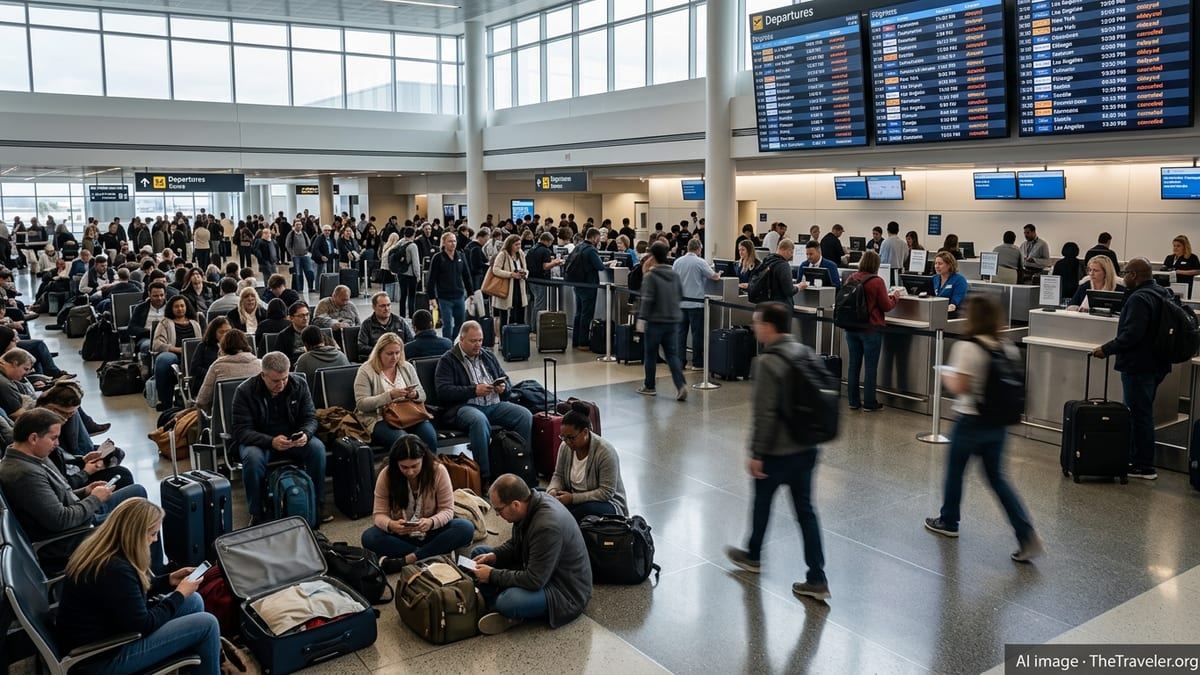
Heavy Day of Disruptions at a Major West Coast Hub
The wave of cancellations and delays at San Francisco International Airport comes at a time when the US aviation network is still recovering from several days of weather and staffing turmoil in multiple regions. With 17 flights canceled outright and 162 delayed, San Francisco’s status as a primary gateway for both domestic and international routes magnified the impact for passengers across time zones.
Airport operations remained technically open, but airlines struggled to maintain schedules, citing a combination of residual weather impacts in other parts of the country, aircraft and crew mispositioning, and tight turnaround times. While the majority of flights eventually departed, the disruptions created long waits at departure gates, crowded customer service counters and mounting frustration as travelers tried to salvage business trips, family visits and long-planned vacations.
San Francisco International, one of the nation’s busiest airports, handles tens of millions of passengers annually and serves as a key West Coast hub linking California to the rest of the United States. On a busy travel day, even a modest percentage of flights running late can cascade into hundreds or thousands of people facing missed connections and unplanned overnights.
Major Carriers Affected, From United to Alaska and Delta
The disruption cut across nearly every major US carrier operating at San Francisco. United Airlines, which relies on SFO as one of its primary hubs, saw several departures and arrivals pushed back by operational knock-on effects from earlier delays elsewhere in its network. Passengers on transcontinental and regional routes alike faced long lines at rebooking desks and customer service hotlines.
Alaska Airlines, Delta Air Lines and American Airlines also reported delayed services, particularly on flights shuttling passengers between California and large domestic hubs. Smaller regional carriers that operate feeder flights under big-brand banners were hit as well, compounding the challenge of matching aircraft and crews to already tight schedules.
For many affected travelers, the airline they had chosen mattered less than the shared reality of rolling departure times and gate changes. Throughout the day, public address announcements at SFO repeatedly urged passengers to stay close to their departure gates, watch airport information boards and use airline apps to track shifting schedules in real time.
Ripple Effects Across Los Angeles, New York, Chicago and Seattle
The concentration of delays and cancellations in San Francisco quickly sent shockwaves through the broader US air travel system. Heavily traveled corridors connecting SFO to Los Angeles, New York, Chicago and Seattle were particularly affected, with aircraft arriving late from the Bay Area and disrupting onward departures at those destinations.
In Los Angeles, travelers bound for Northern California and beyond reported tightened connection windows and, in some cases, missed onward flights when inbound aircraft from San Francisco arrived well behind schedule. At New York–area airports, especially those handling transcontinental traffic, carriers scrambled to reassign aircraft and adjust crew duty times to prevent further knock-on delays into the evening.
Chicago and Seattle, both important hubs that process significant volumes of West Coast–bound passengers, also felt the strain. Late inbound aircraft from San Francisco forced airlines to reshuffle gate assignments and rush turnarounds, while some connecting passengers were rerouted through alternate hubs or offered rebookings for later in the week.
Stranded Passengers Face Long Lines and Tough Choices
Inside San Francisco International Airport, the operational statistics translated into a long and often stressful day for travelers. Customer service counters were busy from morning into the afternoon as passengers tried to secure new itineraries, request hotel vouchers or explore alternate airports within driving distance.
Families with young children sought out quiet corners of terminals as they waited for updates, while business travelers tapped away on laptops and phones, rescheduling meetings and video calls. Some passengers with nonrefundable hotel bookings or event tickets at their destinations weighed whether to abandon trips altogether as delays stretched from minutes into hours.
Airport staff and airline agents, already working under pressure from earlier systemwide disruptions, fielded questions about compensation, meal vouchers and what rights passengers might have when disruptions are linked to weather or broader operational issues. Many travelers were advised to hold on to receipts for meals and ground transportation in case partial reimbursement became available through airlines or travel insurance policies.
Advice for Travelers Heading to or Through SFO
With flight operations unsettled and the potential for further knock-on delays, travelers planning to fly into or out of San Francisco in the coming hours were urged to build extra time into their journeys and to monitor flight status closely. Same-day travelers were advised to arrive early, clear security well ahead of scheduled departure and keep airline apps, text alerts and airport displays within easy reach.
For those with flexible itineraries, travel planners recommended looking at alternative routing options through other West Coast or Mountain West hubs, particularly for trips that are not time-sensitive. Passengers already holding tickets were encouraged to check whether their airline had issued flexible travel waivers, allowing one-time changes without additional fees.
As the day progressed, airlines worked to gradually restore schedules, but the combination of aircraft out of position and crews nearing duty-time limits meant that some residual disruption was likely to persist into the evening. For many passengers, the experience served as another reminder of how quickly conditions at a single major hub like San Francisco can reverberate across the country’s interconnected air travel network.