

More news on this day
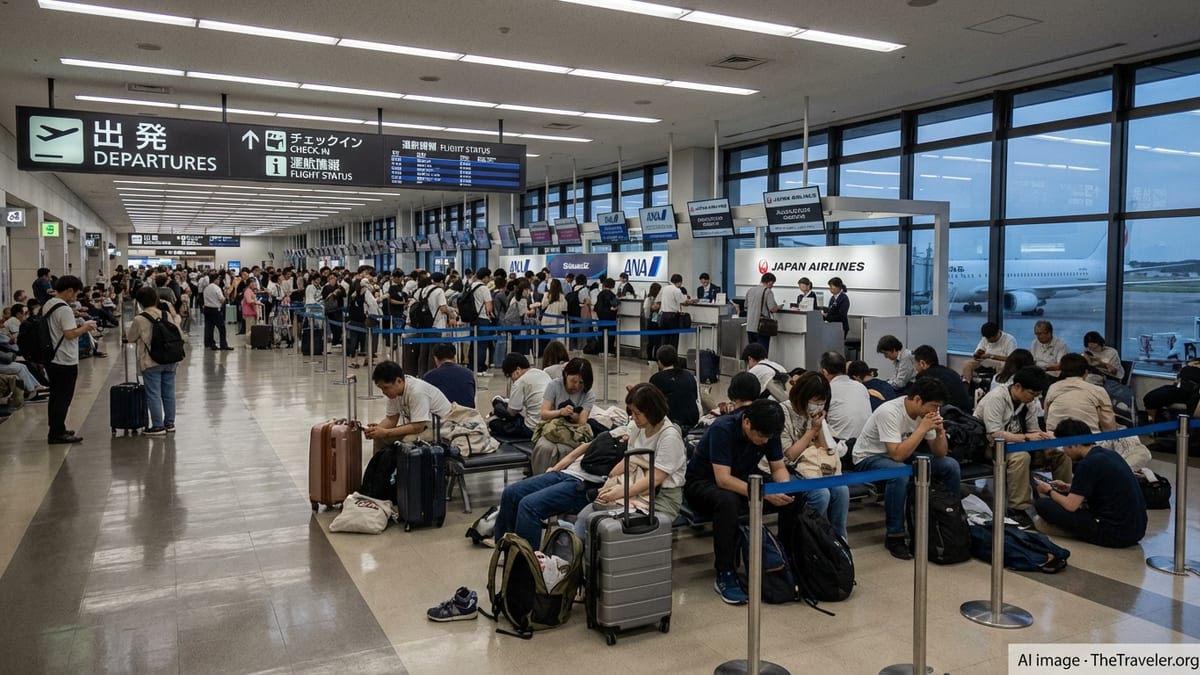
Hundreds of passengers were left stranded across southern Japan on February 27, 2026, as airports in Fukuoka, Kagoshima, Yakushima, Okinoerabu, and Tsushima reported a combined 62 flight delays and 31 cancellations, disrupting operations for Japan Airlines, All Nippon Airways and several regional carriers on busy domestic and island routes.
Regional Hubs Struggle as Delays Ripple Across Networks
The disruptions were centered on Fukuoka and Kagoshima, two of Kyushu’s most important aviation gateways, where airlines battled a mounting backlog of services. At Fukuoka Airport, a key hub for domestic and short-haul regional traffic, dozens of departures and arrivals were pushed back or scrubbed altogether, leaving departure boards awash with red status updates and anxious travelers clustered around service counters.
Kagoshima, which serves as a lifeline airport linking mainland Kyushu with outlying islands, also reported a significant share of the affected operations. Delayed aircraft rotations and tight turnaround schedules meant that even minor timetable slippages quickly cascaded into broader network disruptions, particularly on short sector hops where aircraft operate multiple legs a day.
Airport staff in both cities worked through the day to rebook passengers, arrange overnight accommodation where possible and prioritize connections for those facing imminent onward international flights. However, with limited spare seats during a busy travel period, many travelers were advised that they might not be able to depart until the following day.
Island Gateways Expose Vulnerability of Remote Routes
While the major Kyushu hubs absorbed the largest volume of disruption, the impact was most acutely felt at smaller island airports including Yakushima, Okinoerabu and Tsushima. On these thinly served routes, even a handful of cancellations represented a substantial share of the daily schedule, leaving visitors and residents alike with no immediate alternatives.
Yakushima, renowned for its ancient cedar forests and popular with hikers and nature travelers, saw multiple flights grounded. Tour groups found themselves extending stays unexpectedly as guides scrambled to adjust itineraries and accommodations, while local businesses reported both cancellations and unexpected extra nights from guests who could not depart.
On Okinoerabu and Tsushima, where air links are intertwined with essential services such as medical appointments and business travel to the mainland, the disruption went beyond tourism. Some residents reported missing time-sensitive commitments in larger cities, underscoring the dependence of remote island communities on reliable and frequent air connections.
Japan Airlines, ANA and Regional Carriers Under Pressure
Japan Airlines, ANA and their regional affiliates carried much of the operational burden as they sought to stabilize schedules and reposition aircraft across Kyushu and the surrounding islands. Regional operators contracted to fly on behalf of the major brands faced particular challenges, with small fleets limiting their ability to swap in backup aircraft when delays mounted.
Customer service desks for both major carriers saw long queues form as travelers requested rebookings, refunds or information on compensation options. Airline representatives emphasized that policies would depend on individual tickets and the specific causes of disruption, advising passengers to retain boarding passes and receipts for any additional expenses incurred.
Despite the strain, airlines highlighted that safety and adherence to operational limits remained non-negotiable. Crewing hours, weather considerations on short island runways and the need for comprehensive safety checks after repeated short hops all contributed to the cautious approach, even as pressure mounted to get passengers moving again.
Knock-on Effects for Tourism and Local Economies
The timing of the disruption is particularly sensitive for southern Japan’s tourism sector, which has been working to attract both domestic and international visitors to Kyushu and its surrounding islands. Fukuoka’s vibrant food scene, Kagoshima’s hot springs and volcano vistas, and Yakushima’s UNESCO-listed landscapes all depend heavily on smooth air links from major Japanese cities.
Local tourism officials expressed concern that repeated high-profile disruptions could deter travelers who are planning tight schedules that combine multiple destinations in one trip. Travel agents reported an uptick in calls from clients seeking reassurance about contingency plans and flexible booking options for future visits to the region.
At the same time, some hoteliers and guesthouse owners reported a short-term boost in occupancy as stranded passengers booked last-minute rooms. For many, however, the additional business did not fully compensate for earlier same-day cancellations from guests whose inbound flights never departed.
Advice for Affected and Future Travelers
Passenger advocacy groups and travel advisors urged those affected to document their experiences carefully, including keeping screenshots of flight status changes and written confirmation of delays or cancellations. Such records can be critical when filing claims with airlines or travel insurers, particularly for missed connections and unexpected overnight stays.
For travelers planning upcoming trips through Fukuoka, Kagoshima or the surrounding island airports, industry experts recommend building in additional buffer time between domestic and international legs, especially during busy travel periods or seasons prone to weather volatility. Booking morning flights, when schedules are often less exposed to cumulative delays, can also reduce the risk of disruption.
Travel planners suggest that visitors to remote islands consider flexible accommodation and transport options, along with insurance policies that explicitly cover missed connections and weather or operational cancellations on domestic sectors. While Japan’s aviation system is widely regarded as reliable and efficient, the latest wave of delays and cancellations across Fukuoka, Kagoshima, Yakushima, Okinoerabu and Tsushima illustrates how quickly conditions can change for even the most carefully planned itinerary.