

More news on this day
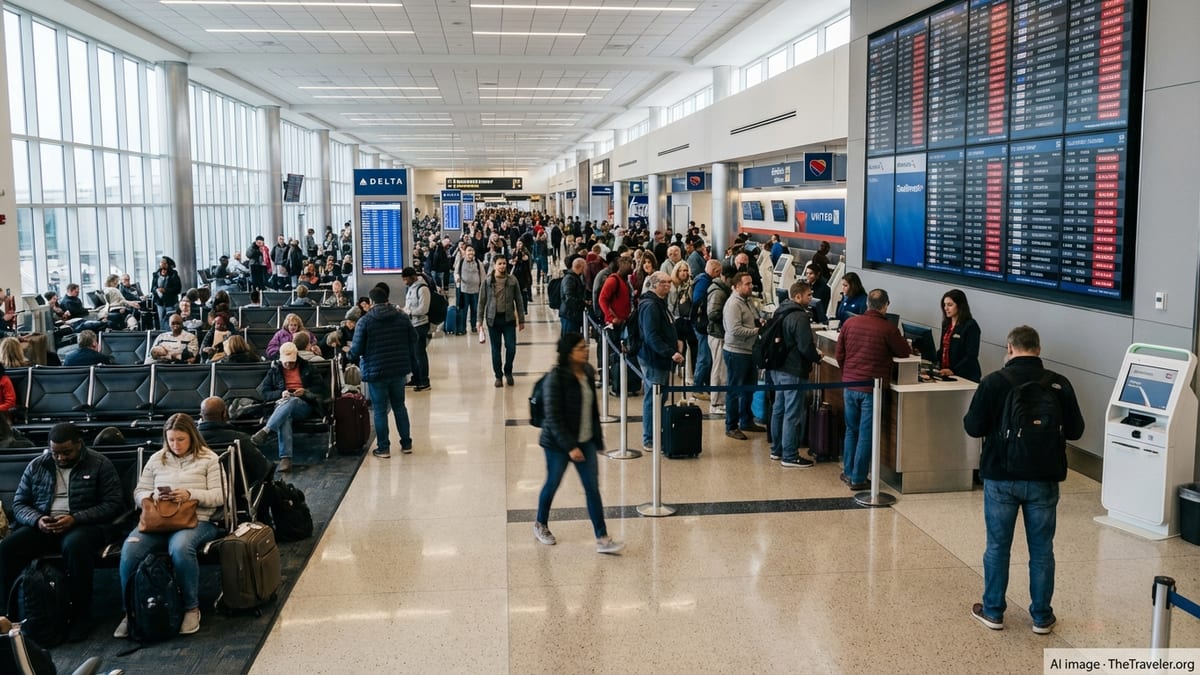
Travelers at Indianapolis International Airport faced mounting frustration on April 6 as 48 flights were reported delayed and five canceled, disrupting operations for American Airlines, Delta Air Lines, Southwest Airlines and other carriers on busy domestic and international routes.
Get the latest news straight to your inbox!
Disruptions Hit Key Hubs and Popular Routes
Publicly available flight tracking data on April 6 shows widespread schedule disruptions at Indianapolis International Airport affecting connections to major hubs including New York, Atlanta and Chicago, along with transatlantic services linking the Midwest to Europe. The pattern of delays and cancellations is rippling outward across the network, complicating travel plans for passengers attempting to make onward connections.
Several of the delayed departures and arrivals involve large connecting airports such as Hartsfield Jackson Atlanta International Airport, Chicago O'Hare International Airport and New York area gateways, where congestion can quickly cascade into secondary disruptions. Flights operating under major brands including American Airlines, Delta Air Lines and Southwest Airlines feature prominently among the affected services, magnifying the impact on travelers trying to rebook or reroute.
International connectivity has also been affected, with delays reported on services linking Indianapolis to European hubs such as Frankfurt. Passengers bound for or returning from long haul itineraries are facing missed connections and extended layovers as aircraft and crews fall out of their planned rotations.
The disruption comes amid a broader period of elevated delay and cancellation numbers across the United States during the early April travel surge, as national data over the weekend pointed to thousands of delayed flights at large hub airports and weather sensitive regions.
Spring Travel Surge and Network Strain
The latest issues at Indianapolis are unfolding during one of the busiest stretches of the spring travel period, when passenger numbers typically climb due to school holidays, long weekends and early season events. Recent local coverage has already noted heavier traffic at the airport through mid April, with higher volumes increasing the sensitivity of schedules to even minor operational challenges.
Industry reports indicate that when large hubs experience pressure from storms, air traffic control constraints or ground congestion, mid sized airports such as Indianapolis can quickly feel the effects through late arriving aircraft, crew timing limits and tighter turnaround windows. Even a modest number of delayed inbound flights can translate into a much larger wave of knock on disruption later in the day.
Nationally, aviation data over the Easter and early April period has shown significant spikes in delays and cancellations at major U.S. hubs, particularly in cities like Atlanta, Dallas, Chicago, Houston, Los Angeles and San Francisco. This broader backdrop means airlines have less spare capacity to reposition aircraft or crews when irregular operations develop in markets like Indianapolis.
The combination of heavy seasonal demand and strained networks often results in rolling delays, where departure times are repeatedly pushed back as airlines attempt to keep aircraft and crews within regulatory limits while still operating as many flights as possible.
Passengers Face Long Waits, Missed Connections and Limited Options
For travelers on the ground at Indianapolis, the immediate impact of 48 delayed and five canceled flights is measured in long waits at departure gates, uncertainty at check in counters and crowded customer service lines. Passengers on domestic routes to New York, Atlanta and Chicago are contending with the risk of missed work commitments, events and tight same day returns.
Those booked on international itineraries, including connections through Frankfurt and other European gateways, face an additional layer of complexity. Missed long haul departures can mean overnight stays, rebooked routings through alternate hubs or extended journeys involving multiple extra connections. With transatlantic flights often operating close to capacity in early spring, same day re accommodation can be limited.
Travel forums and social media posts commonly highlight how delays of even one or two hours at a connecting airport can compound into much lengthier disruptions when travelers miss onward flights with less frequent service. In some cases, published anecdotes describe passengers needing to arrange alternative ground transport for regional segments when flights into or out of Indianapolis are significantly delayed or canceled.
Airlines typically prioritize reaccommodating affected travelers on the next available flights, but seat availability can be tight when disruptions affect multiple carriers and hubs at the same time. Hotel and meal assistance policies vary by airline and by the cause of the disruption, leaving some travelers to manage additional out of pocket expenses when irregular operations stretch into overnight stays.
Operational Factors Behind the Indianapolis Delays
While detailed cause of delay information for individual flights is not always public in real time, industry experience suggests that a mix of factors is likely contributing to the situation at Indianapolis. These can include late inbound aircraft from congested hubs, crew duty time limitations, regional weather developments affecting en route traffic flows and ground side issues such as ramp congestion or deicing in cooler conditions.
Analyses of recent disruption patterns across U.S. airports indicate that when large systems of storms or high traffic volumes slow operations at key hubs, smaller spokes in the network can experience downstream effects hours later. Indianapolis, with its significant but not oversized schedule of daily operations, can be particularly sensitive to the timely arrival of connecting flights that feed multiple onward departures.
Air traffic management advisories, including flow control measures and spacing requirements, can also play a role. When air traffic control introduces additional separation between flights for safety reasons, capacity on certain routes or into specific hubs is reduced, leading airlines to absorb delays or cancel selected services to stabilize their schedules.
In previous national weather and operational events, official data has shown that regional jets and shorter haul routes are often among the first to experience schedule cuts when airlines make rapid adjustments. This pattern can be especially visible at airports like Indianapolis that rely heavily on connecting traffic to and from major hubs.
What Travelers Can Expect in the Short Term
With dozens of flights already delayed or canceled at Indianapolis, travelers booked to or from the airport in the near term are likely to face residual disruption as airlines work to reposition aircraft and crews. Even after the immediate problems ease, some flights may operate with continued delays while carriers rebuild their normal rotations.
Publicly available guidance from airlines and travel experts consistently emphasizes the importance of monitoring flight status frequently during periods of irregular operations, checking both the airline's own platforms and independent tracking tools for the latest departure and arrival information. Same day travelers are often advised to arrive earlier than usual at the airport when disruption levels are high.
For those with tight connections in New York, Atlanta, Chicago or European hubs such as Frankfurt, the current level of disruption at Indianapolis increases the value of contingency planning. Longer layovers, flexible tickets and travel insurance that covers delays and missed connections can help mitigate the financial and logistical impact of unexpected schedule changes.
As carriers adjust their operations over the coming hours, the number of delayed flights may fluctuate, and additional cancellations are possible if aircraft or crew availability remains constrained. Travelers are likely to continue feeling the effects of the current disruptions at Indianapolis International Airport beyond the initial day of impact, particularly on heavily used routes linking the Midwest to major domestic and international gateways.