

More news on this day
Air travelers in the United States are facing another day of disruption as more than 150 flights are canceled and nearly 700 delayed nationwide, with major hubs such as Atlanta, New York John F. Kennedy and Orlando International among the hardest hit, according to real-time aviation data and industry reports.
Get the latest news straight to your inbox!
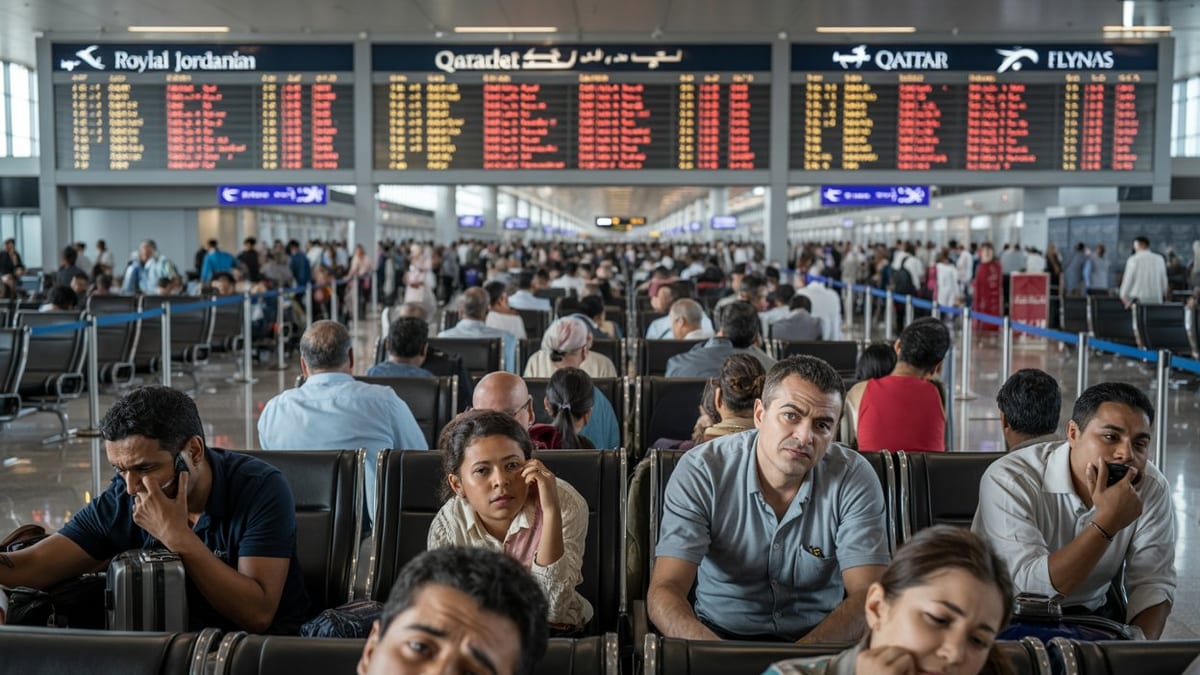
Where Disruptions Are Hitting The Hardest
Publicly available tracking data for Monday, April 6, indicates a pattern familiar to frequent fliers: delays far outnumber outright cancellations, but both are clustering around a handful of large hubs. Reports show that more than 150 flights within, into or out of the United States have been canceled so far today, while about 694 are delayed, affecting tens of thousands of passengers across the network.
Airports in Atlanta, New York and Florida feature prominently. Hartsfield Jackson Atlanta International, the world’s busiest passenger airport, is again among the top locations for schedule problems, reflecting its role as a key connection point as well as ongoing spring storm systems moving through the Southeast. New York’s John F. Kennedy International is also logging a high number of late departures and arrivals as airlines balance congestion in the busy Northeast corridor.
In Florida, Orlando International is seeing elevated delays as stormy weather and air traffic flow constraints ripple through the state’s airspace. When conditions tighten over central Florida, flights bound for Orlando, Miami and Tampa can be held at their origin, leading to rolling holdups that cascade through airline schedules for the rest of the day.
Although today’s totals are well below the worst disruption days seen during major storms or airline system meltdowns, the combination of scattered cancellations and widespread delays can be just as disruptive for individual travelers, especially those connecting through hubs like Atlanta and JFK.
What Is Behind Today’s Travel Mayhem
There is rarely a single cause when flight operations across the country begin to fray. Weather remains a primary factor, and forecasters have been highlighting bands of heavy rain, thunderstorms and low clouds across parts of the East and Southeast that can reduce airport capacity and trigger so-called ground delay programs. When these programs are in effect, flights headed to a constrained airport are assigned new departure times, slowing the flow of traffic into already busy hubs.
Air traffic control staffing and sector congestion can compound the impact of poor weather. Recent coverage of the prolonged federal funding dispute has pointed to higher rates of controller and security staff callouts in cities such as Atlanta, Houston and New Orleans, which can lengthen both airborne holding and security checkpoint lines at large airports. Even when runways are clear, a shortage of personnel can limit the number of flights that can be safely handled at any given time.
Airlines themselves also play a role. Carriers continue to run tight schedules with high aircraft utilization, which leaves little slack when storms or staffing issues arise. A delayed inbound aircraft in Orlando can quickly translate into a late departure from New York, which in turn may cause missed connections in Atlanta or another hub later in the day. With many flights operating at or near capacity, rebooking options for passengers whose flights are canceled can be limited, especially during peak travel periods.
Industry data for 2025 also underline how common disruptions have become. A recent U.S. disruption report found that major hubs such as Atlanta and JFK see roughly one quarter of flights arriving or departing late in a typical year, with cancellations accounting for a smaller but still significant share. Today’s numbers fit within that broader pattern of frequent but uneven disruption.
How This Could Affect Your Trip Today
For individual travelers, even a modest increase in cancellations and delays can have outsized effects. Passengers flying nonstop to or from Atlanta, JFK or Orlando are at higher risk of experiencing schedule changes today simply because of the elevated disruption levels at those airports. Those with connections through any major hub face an additional layer of uncertainty because a delay on the first leg can quickly snowball into a missed onward flight.
Travelers booked on evening departures may also feel the knock-on effects of problems earlier in the day. When morning and midday flights run behind schedule, aircraft and crews can end up out of position, forcing airlines to compress turn times or combine flights. In some cases, carriers may proactively cancel later departures to reset the operation for the following day, concentrating remaining passengers onto the flights that continue to run.
Families heading to or from Florida vacation destinations are particularly exposed when Orlando experiences ground stops or extended arrival spacing due to storms. In such cases, flights are often held at origin airports for hours, even when skies appear clear at departure points, leading to confusion among passengers. Similar dynamics apply to New York area airports when low clouds or congestion force controllers to meter traffic into the region.
Because delays today are significantly outpacing cancellations, many travelers will still complete their journeys, but often after extended waits on the ground, in the air or at crowded gate areas. The practical impact ranges from missed hotel check-ins and lost evening plans to forfeited ticketed events or tight international connections.
Steps Passengers Can Take Right Now
Given the level of disruption across major hubs, experts advise treating today as a day when proactive planning can make a meaningful difference. Checking flight status frequently via airline apps or text alerts is essential, as schedules can shift multiple times before departure. Airlines often update estimated departure and arrival times as traffic management decisions and weather patterns evolve throughout the day.
Arriving at the airport earlier than usual is also recommended, particularly at large hubs such as Atlanta and JFK where security wait times can expand quickly during periods of operational stress. Recent coverage of security operations at New York and New Jersey airports has highlighted how staff shortages tied to federal budget disputes can cause lines to lengthen with little warning during peak periods.
Passengers facing tight connections may want to consider rebooking to itineraries with longer layovers if their airline allows free changes due to operational disruptions. A buffer of one and a half to two hours between flights at major hubs can reduce the risk of misconnecting when inbound flights are running late. For those whose flights are already canceled, rebooking through alternative hubs or nearby airports can sometimes provide a faster path to the final destination than waiting for the next available nonstop.
Travelers bound for Orlando and other weather-sensitive airports may find that earlier flights in the day are less vulnerable to cascading delays. Observations shared by frequent fliers and travel advisers consistently show that late afternoon and evening departures are more likely to be affected when thunderstorms and traffic volume peak.
Know Your Rights If Your Flight Is Disrupted
Understanding what airlines are required to provide, and what they may offer as a matter of policy, is crucial when disruptions mount. In the United States, there is no broad federal requirement for cash compensation when flights are delayed or canceled, but passengers are generally entitled to a refund if a flight is canceled or significantly changed and they choose not to travel. This applies even for nonrefundable tickets, according to published guidance from the Department of Transportation.
Assistance such as meal vouchers, hotel accommodations or rebooking on another carrier is handled through airline policies that vary by company and by the cause of the disruption. Carriers are more likely to offer hotels and meals when cancellations are within their control, for example due to crew or mechanical issues, than when the primary cause is hazardous weather or air traffic control constraints.
Travelers on itineraries that begin in the European Union or the United Kingdom may have additional rights under local passenger protection regulations, which can mandate compensation for long delays or cancellations in certain circumstances. Some consumer advocacy services and law firms have highlighted recent cases where U.S. travelers received payments for disrupted transatlantic flights that originated in Europe, even when the operating carrier was a U.S. airline.
Regardless of origin or destination, keeping documentation is helpful. Boarding passes, delay notifications and receipts for out of pocket expenses can support later refund or goodwill requests with airlines. Many carriers also encourage customers to submit disruption-related claims or feedback through their official websites or mobile apps, which can be faster than waiting to speak with an agent at a busy airport during widespread delays.